Rejs statkiem wielkim lub małym. Kto o tym nie marzył, czytając o wielkich odkrywcach, dalekich lądach, skarbach ukrytych na bezludnych wyspach. Gdzie odnaleźć ślady romantyzmu ery żaglowców i odkrywania nowych lądów? Przecież nie w lotach samolotem.
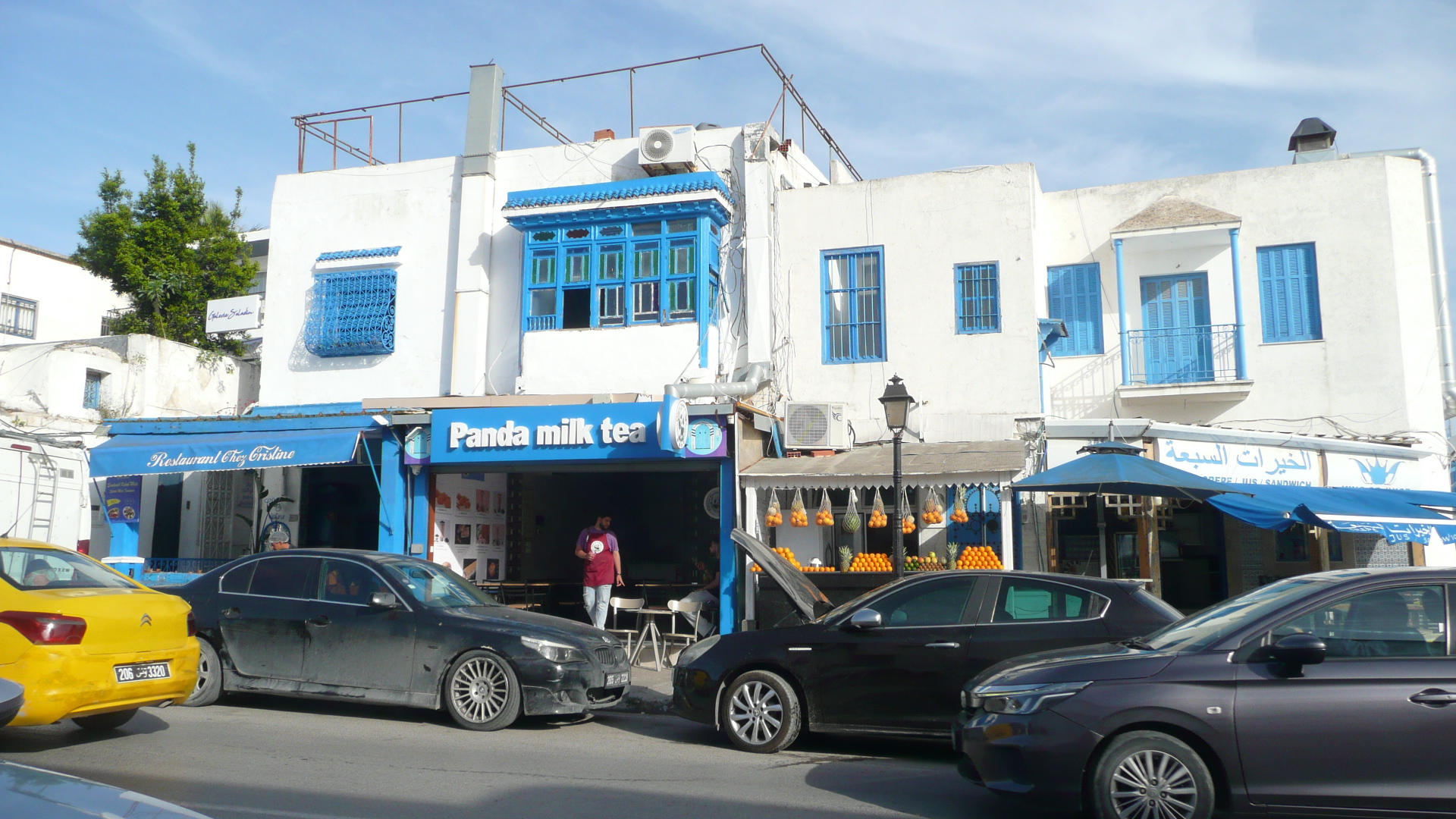
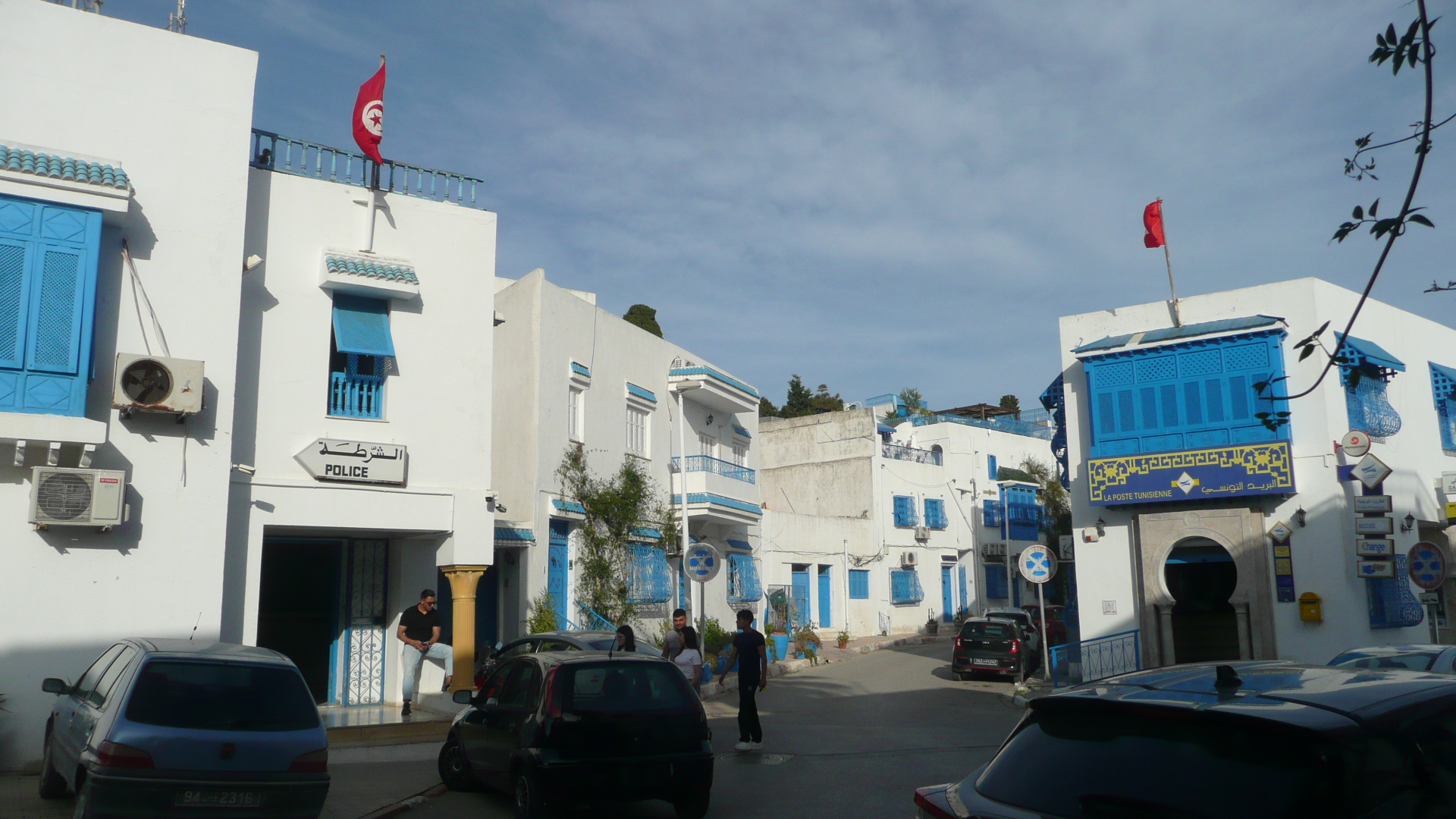
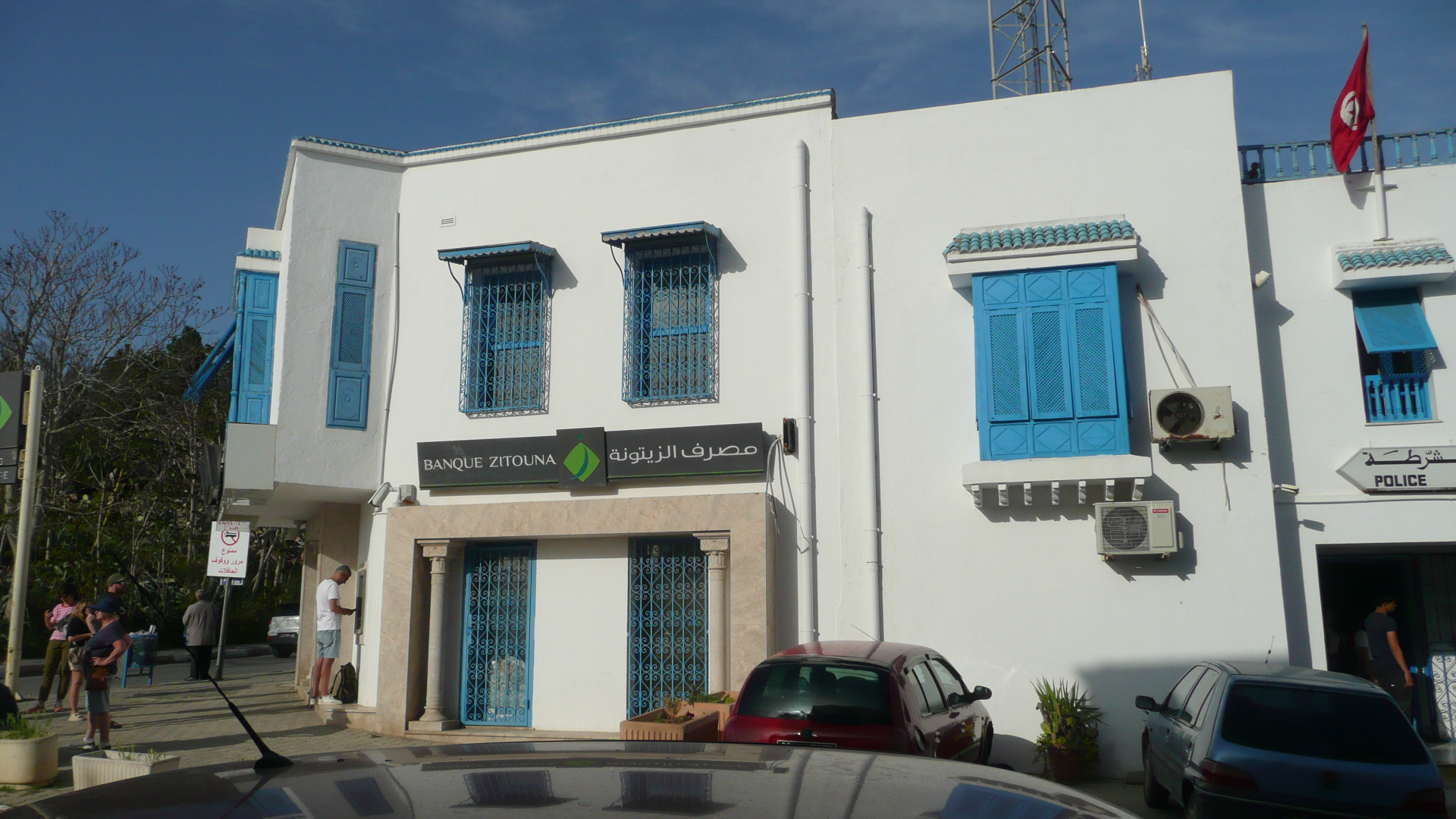
Port Halk al-Wadi to inaczej La Goulette – tunezyjski port, który kiedyś był hiszpański, później ottomański, przez jakiś czas był więzieniem, a potem był nazywany „Małą Sycylią” i mieszkała tu Claudia Cardinale. Nas przywitała eskotra kanonierek tunezyjskiej floty, kiedy nasz statek manewrował wśród wąskich kanałów pomiędzy liberyjskimi kontenerowcami. Kiedy w końcu zacumowaliśmy i przeszliśmy z nabrzeża za mury starego fortu było już straszliwie gorąco, a w oślepiającym słońcu trudno było dostrzec uroki tego miejsca. La Goulette po francusku znaczy „gardło rzeki”, ale leży nad jeziorem Tunis. Jedziemy do miejscowości Sidi Bou Said, która jest nazywana „Tunezyjskim Santorini”. Hmmm…
The port of Halk al-Wadi—also known as La Goulette—is a Tunisian port with a varied history: it was once Spanish, then Ottoman, and served as a prison for a time; later, it was dubbed „Little Sicily” and was home to Claudia Cardinale. We were greeted by an escort of Tunisian navy gunboats as our ship maneuvered through narrow channels amidst Liberian container ships. By the time we finally docked and made our way from the quayside past the walls of the old fort, the heat was intense, and the blinding sun made it difficult to appreciate the place’s charms. Although the name La Goulette means „river throat” in French, the town actually sits on the shores of the Lake of Tunis. We are heading to the village of Sidi Bou Said, known as the „Tunisian Santorini.” Hmm…
W przydrożnej kawiarni Ben Rahim wypiliśmy kawę, a ja z powodu upału nie miałam siły łazić po miasteczku, tym bardziej, że prawie nigdzie nie było cienia, co uważam za wielkie niedopatrzenie władz. Wlazłam tylko do jednego pobliskiego sklepu / galerii sztuki w poszukiwaniu malutkich, srebrnych kolczyków i zagadałam się z bardzo miłym właścicielem, który pochodził z Hiszpanii, ale ożenił się z Tunezyjką. Kolczyków nie kupiłam, ale obiecałam, że opowiem o tym miejscu. Co niniejszym czynię 🙂
We had coffee at the Ben Rahim roadside café; the heat left me with no energy to wander around the town—especially since there was hardly any shade, which I consider a major oversight by the authorities. I did pop into one nearby shop-cum-art gallery looking for tiny silver earrings and struck up a conversation with the very pleasant owner—a Spaniard married to a Tunisian woman. I didn’t buy any earrings, but I promised to tell people about the place. Which is exactly what I’m doing now 🙂
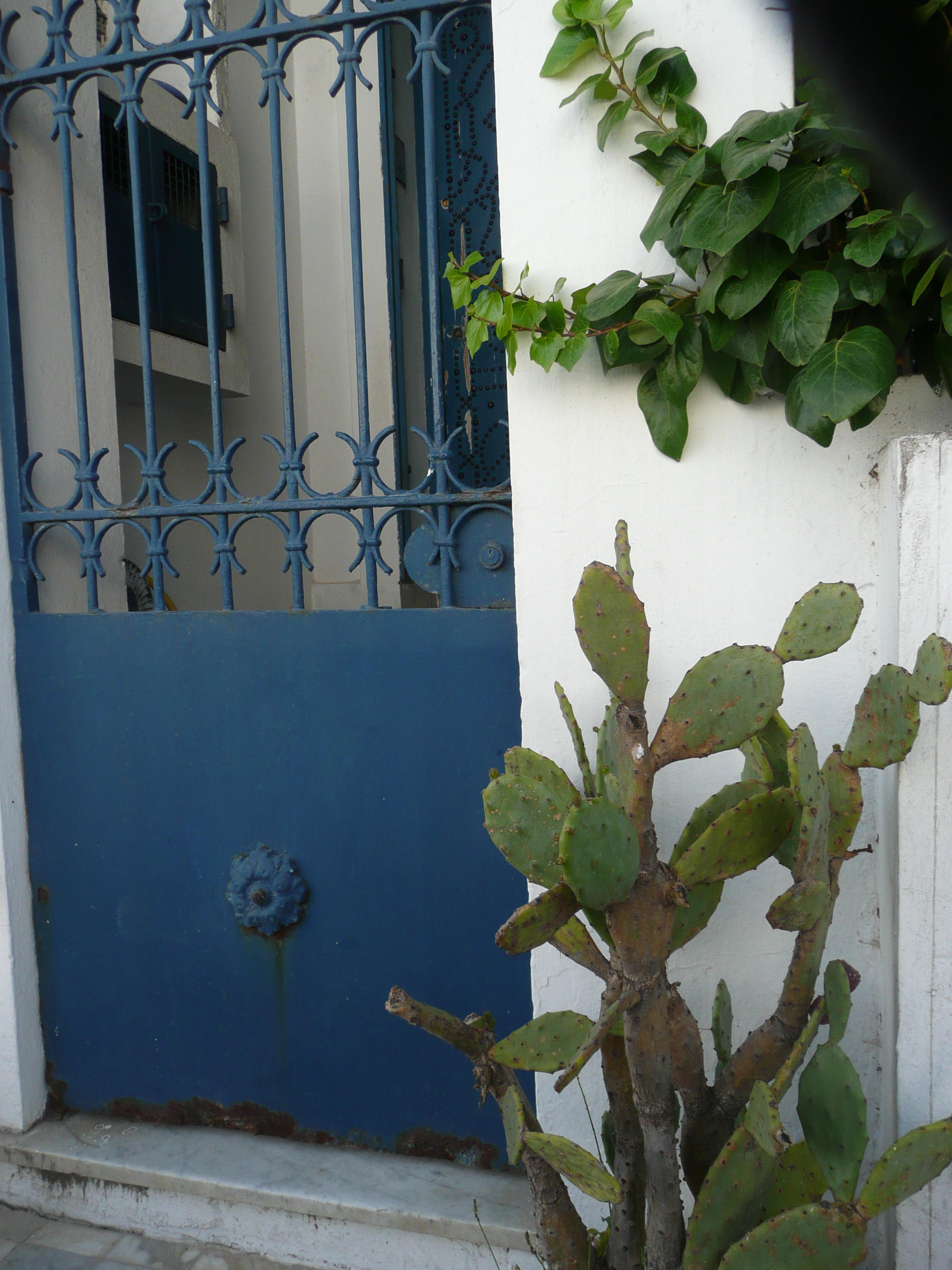
Czy Sidi Bou Said przypomina Santorini? Trochę tak, ale żeby to ustalić, trzeba iść nad morze, przejść się nadmorskimi, brukowanymi uliczkami i dotknąć stopami buałego piasku. Ale to już zostawiam dla was.
Does Sidi Bou Said resemble Santorini? A bit, perhaps—but to find out for sure, you have to head to the seaside, stroll along the cobbled coastal streets, and feel the white sand beneath your feet. But I’ll leave that part up to you.
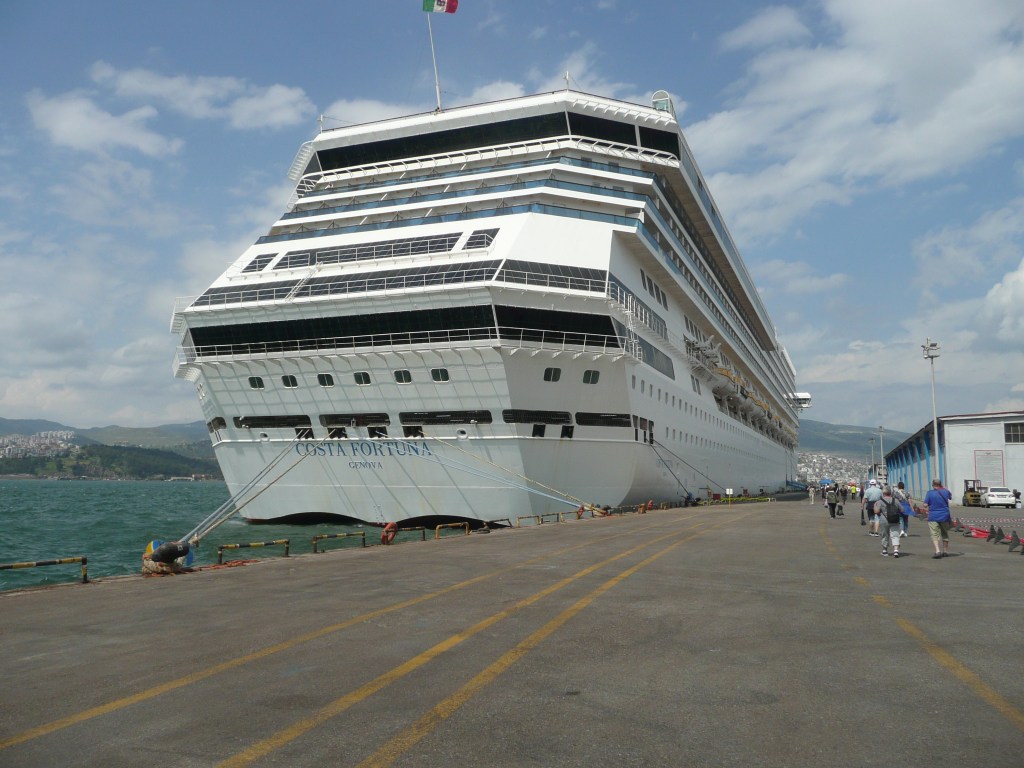
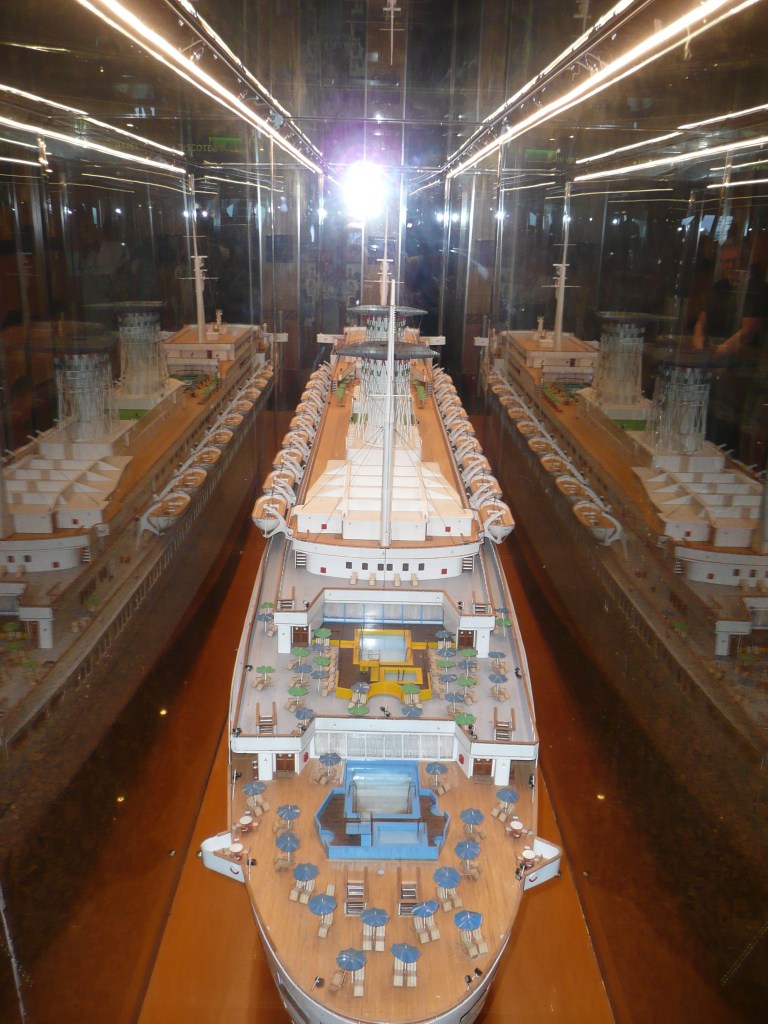
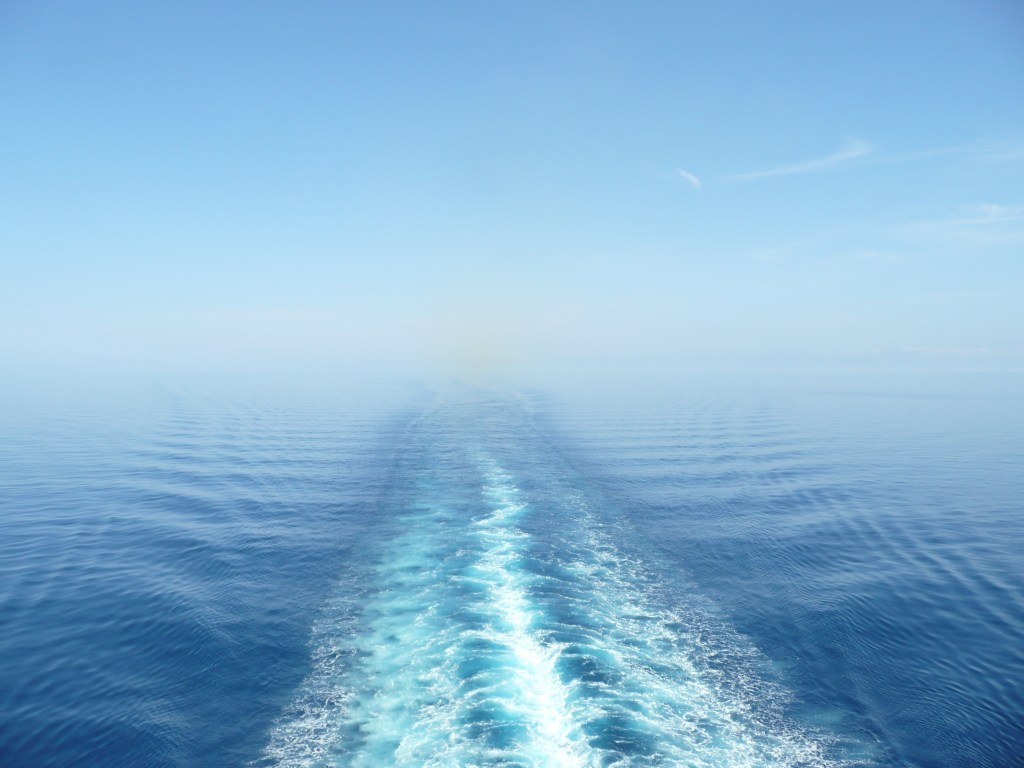
Tak reklamuje się firma Costa Cruises, której to liniami tym razem płyniemy. Cóż, będziemy teraz jakiś czas na morzu, płynąc na południowy zachód, więc pora poplotkować o statku. Zwykle nie narzekam na rejsach, bo mogłabym żyć na statku przez pół roku, ale tym razem…
That’s how Costa Cruises – the cruise line we’re sailing with this time—advertises itself. Well, we’ll be at sea for a while now, sailing southwest, so it’s time to dish a bit about the ship. I usually don’t complain on cruises – after all, I could happily live on a ship for six months a year – but this time…
STATEK I ZAŁOGA / SHIP and CREW
Statek jest w porządku, może nie najnowszy, może zbyt przeładowany ozdóbkami w różnych stylach, ale kajuty są wygodne, a nasz stewart, Vivek bardzo dba o czystość i nasz komfort. Załoga i personel, który pochodzi głównie z Egiptu i Indii jest super i absolutnie niczego nie możemy im zarzucić. Od kiedy wiedzą, że jestem tą pasażerką, która pyta o to skąd są, o ich rodziny i plany na przyszłość jestem traktowana z wielką atencją i nawet dostajemy czasem za darmo wodę do kolacji, a Mohammed, który pracuje w restauracji kiedy mnie widzi przywołuje swój najlepszy uśmiech i wyciąga telefon, żeby mi pokazać najnowsze zdjęcie swojego ukochanego wnuka. Szukran شكرًا لك , Mohhamed (Gdyby w Sèvres istniał wzorzec Egipcjanina, to byłby to posąg Mohammeda).
The ship is fine—perhaps not the newest, and maybe a bit overloaded with eclectic decorations—but the cabins are comfortable, and our steward, Vivek, takes great care to ensure cleanliness and our comfort. The crew and staff, hailing mainly from Egypt and India, are fantastic; we have absolutely no complaints about them. Ever since they learned I’m the passenger who asks where they’re from—inquiring about their families and future plans—I’ve been treated with great attentiveness; we even get complimentary water with dinner sometimes. And Mohammed, who works in the restaurant, flashes his best smile whenever he sees me and pulls out his phone to show me the latest photo of his beloved grandson. Shukran, Mohammed (If there were a standard reference model for an Egyptian kept at Sèvres, it would be a statue of Mohammed).
PASAŻEROWIE / PASSENGERS
Są z całego świata, dosłownie. Najwięcej jest Włochów i Hiszpanów, ale też ludzi z Ameryki Południowej i USA, grupka Rosjan (niestety), sporo Niemców i kilkoro Anglików i kilka par z Polski (pozdrawiamy Wrocław, Iserlohn i Brzeszcze). Poziom kultury na tym statku sporo odbiega od naszych doświadczeń z poprzednich rejsów. Niektórzy przepychają się po chamsku, walczą o leżaki, są nieuprzejmi… Przy sąsiednim stoliku przy kolacji siedzi kobieta, która wygląda jak udzielna księżna, a jedząc mlaszcze głośno. Kiedyś jakiś Amerykanin opowiadał z przejęciem, że był w miejscowości Corleone, gdzie „to wszystko się zdarzyło” i był przekonany że to nie była literacka i filmowa fikcja (odsyłam do „Ojca Chrzestnego”), a jakaś Rosjanka krzyczała na mnie, że muszę talerz z jedzeniem nieść koniecznie na tacy, bo tak jej kazali… Życie statkowe jest czasem bardzo zabawne.
They come from all over the world—literally. The largest groups are Italians and Spaniards, but there are also people from South America and the USA, a small group of Russians (unfortunately), quite a few Germans, a handful of English people, and a few couples from Poland (Hello to Wrocław and Brzeszcze). The level of decorum on this ship is a far cry from what we’ve experienced on previous cruises. Some people shove rudely, fight over sun loungers, and act impolitely… At the table next to us during dinner sits a woman who looks like a grand duchess, yet she smacks her lips loudly while eating. I once heard an American excitedly recounting his visit to the town of Corleone—where „it all happened”—convinced that it wasn’t just literary or cinematic fiction (think The Godfather), while a Russian woman shouted at me, insisting I had to carry my plate of food on a tray because that’s what she’d been told to do… Life on board can be quite amusing at times.
JEDZENIE / FOOD
O wiele gorsze niż na innych naszych rejsach. Szczerze mówiąc dla mnie to jest wielkie rozczarowanie. Często nie ma dla mnie niczego, co byłoby naprawdę dobre, bo jak wiecie nie jem mięsa i wybór mam naprawdę niewielki. Kiedy rezerwowaliśmy rejs, cieszyliśmy się, że będziemy mieć naszą ulubioną włoską kuchnię na codzień. Teraz już wiemy, że to niemożliwe. Poza tym prawie nigdy nie ma świeżych owoców (oprócz melonów i jabłek), co na innych rejsach było nie do pomyślenia, nawet kiedy przez długi czas nie zawijaliśmy do żadnego portu. Potrawy w bufecie nie są opisane, więc zawsze muszę pytać, czy to coś jest z mięsem, czy nie. Bezpłatne napoje są tylko do śniadania i obiadu, więc mogę zapomnieć o wieczornej herbacie. Za wodę trzeba płacić, a gdyby ktoś chciał mieć pełny pakiet napojów, to musiałby zapłacić dodatkowo ponad 500 euro…
It’s far worse than on our other cruises. Honestly, it’s a huge disappointment for me. Often, there’s nothing truly good for me to eat because, as you know, I don’t eat meat, so my options are very limited. When we booked the cruise, we were excited about having our favorite Italian cuisine every day. Now we know that’s not possible. On top of that, there’s almost never any fresh fruit—something unthinkable on other cruises, even when we hadn’t docked at a port for a long time. The dishes in the buffet aren’t labeled, so I always have to ask whether or not something contains meat. Charge free drinks are only provided with breakfast and lunch, so I can forget about having tea in the evening. You have to pay for water, and if you wanted a full drinks package, you’d have to pay an extra 500 euros or more…
ORGANIZACJA / ORGANIZATION
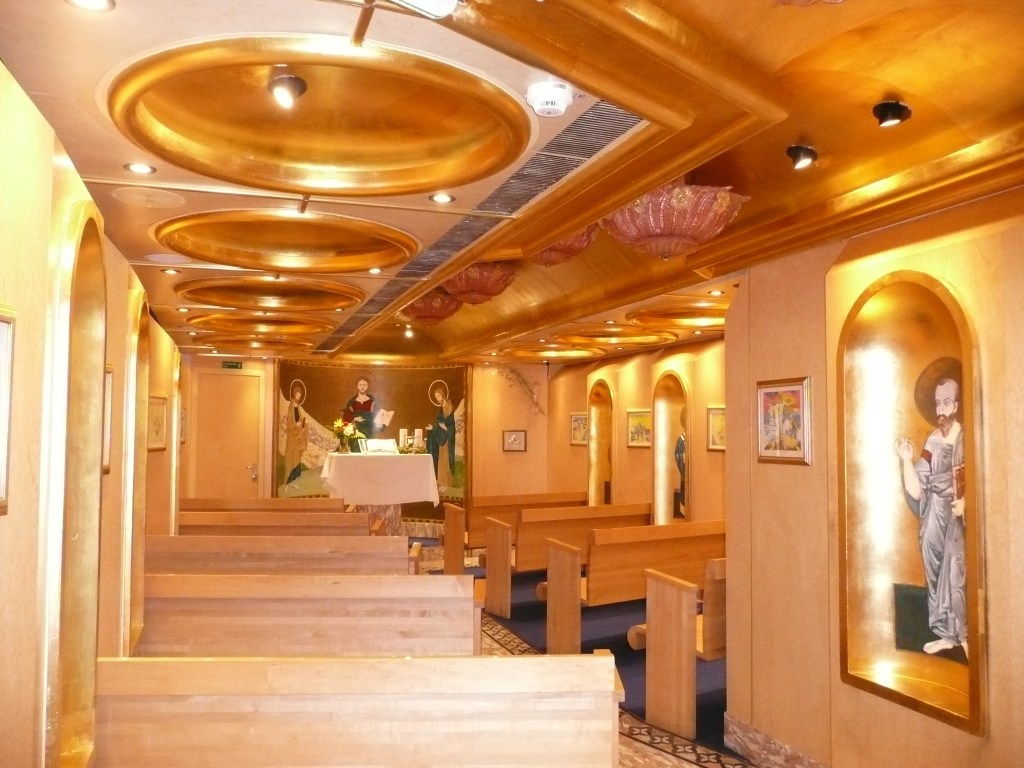
Nawet mi się nie chce o tym pisać, więc tylko powiem, że okropna. Brak wielu koniecznych informacji, nie mówiąc o próbach naciągania na większe koszty – na przykład w portach podstawiają swoje autokary dwa razy droższe, niż lokalne. Na statku jest strasznie głośno, nie ma właściwie miejsca, gdzie można uciec przed głośną muzyką z megafonów. Na innych statkach głośna muzyka była tylko w jednym miejscu, tu jest wszędzie słyszalna. Jedynym cichym miejscem jest statkowa kaplica, ale nie wiem, czy jako ateistka mogę tam siedzieć. W bibliotece statkowej była tylko jedna książka i był to Koran.
I don’t even feel like writing about it, so I’ll just say it was terrible. There was a lack of much essential information, not to mention attempts to upsell—for instance, in ports, they provided their own coaches that cost twice as much as local ones. It was incredibly noisy on the ship; there was practically nowhere to escape the loud music blaring from the loudspeakers. On other ships, loud music was confined to one area, but here it could be heard everywhere. The only quiet spot was the ship’s chapel, though I wasn’t sure if I, as an atheist, could sit there. The ship’s library contained only one book: Koran.
Costa Fortuna – kaplica / chapel
Tak więc nie bardzo bella vita. Ale płyniemy do następnego portu i dopóki nie dowodzi nami Kapitan Francesco Schettino*, to przeżyjemy.
So, not exactly la dolce vita. But we’re sailing to the next port, and as long as Captain Francesco Schettino* isn’t at the helm, we’ll survive.
* Costa Concordia to włoski statek wycieczkowy, który zatonął 13 stycznia 2012 roku w wyniku uderzenia o skały u wybrzeży wyspy Giglio na Morzu Śródziemnym. W katastrofie zginęły 32 osoby. Kapitan Francesco Schettino został skazany na 16 lat więzienia za doprowadzenie do katastrofy i opuszczenie tonącego okrętu przed pasażerami.
* The Costa Concordia was an Italian cruise ship that sank on January 13, 2012, after striking rocks off the coast of Giglio Island in the Mediterranean Sea. 32 people died in the disaster. Captain Francesco Schettino was sentenced to 16 years in prison for causing the disaster and abandoning the sinking ship before the passengers.
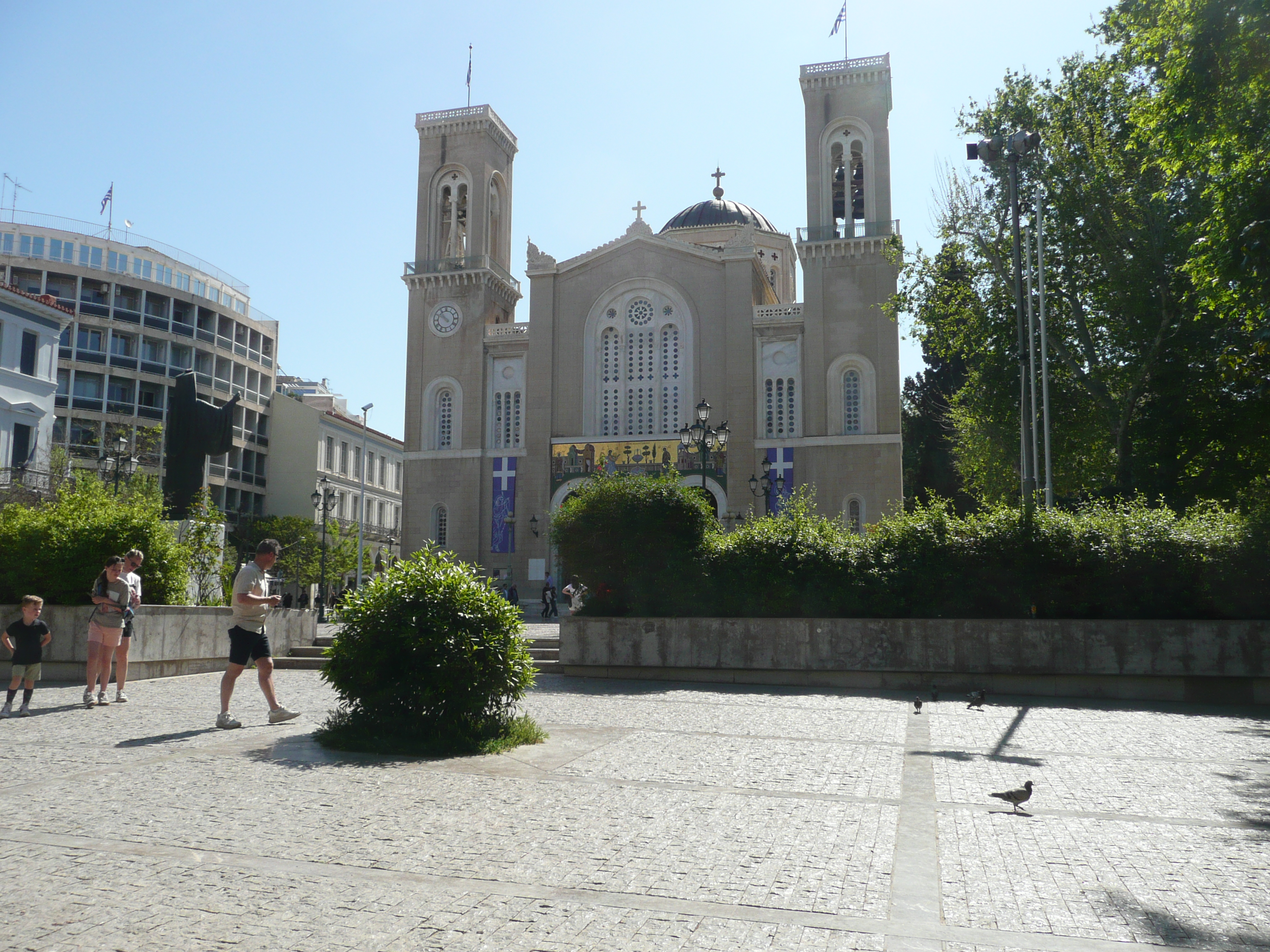
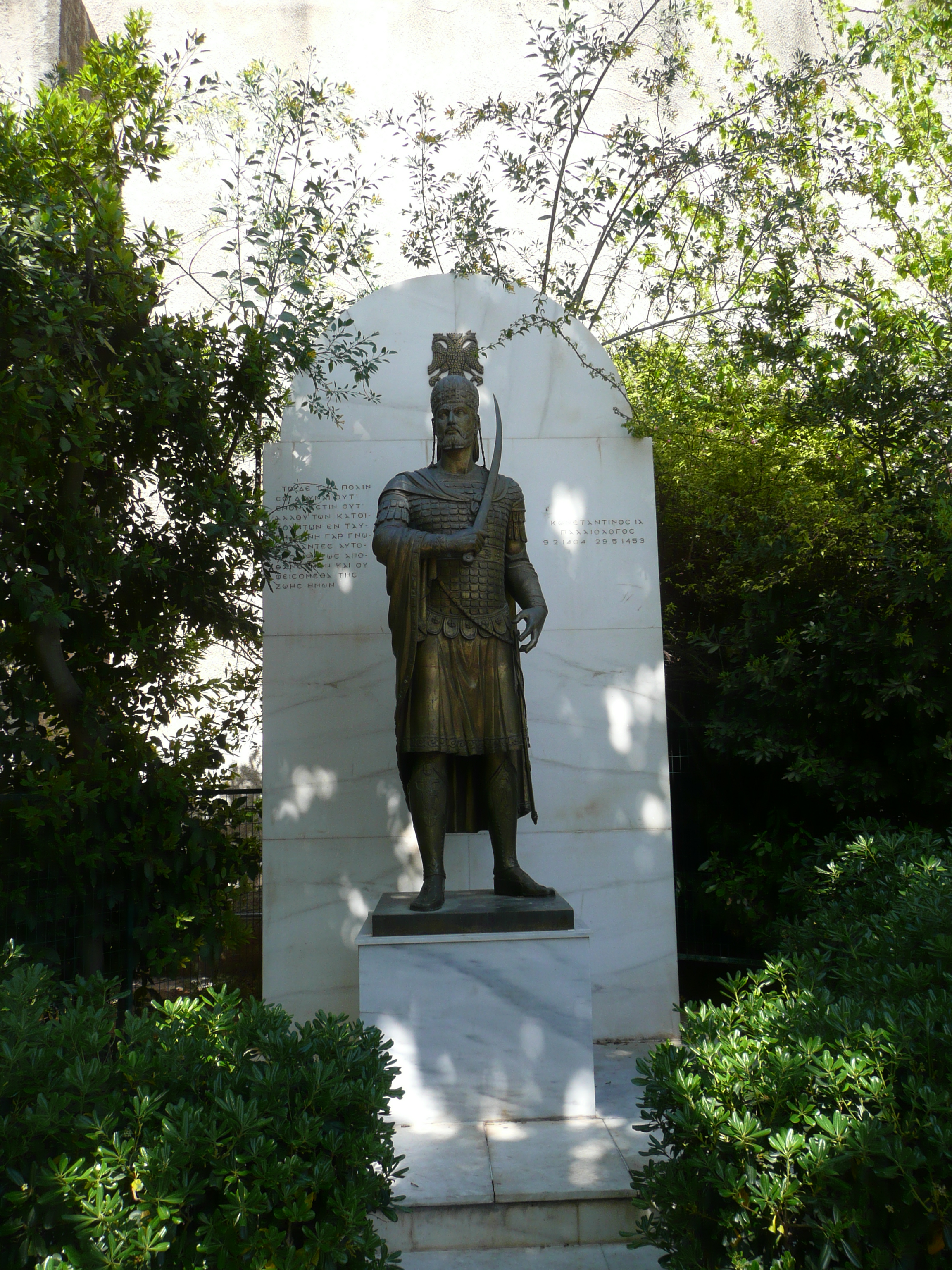
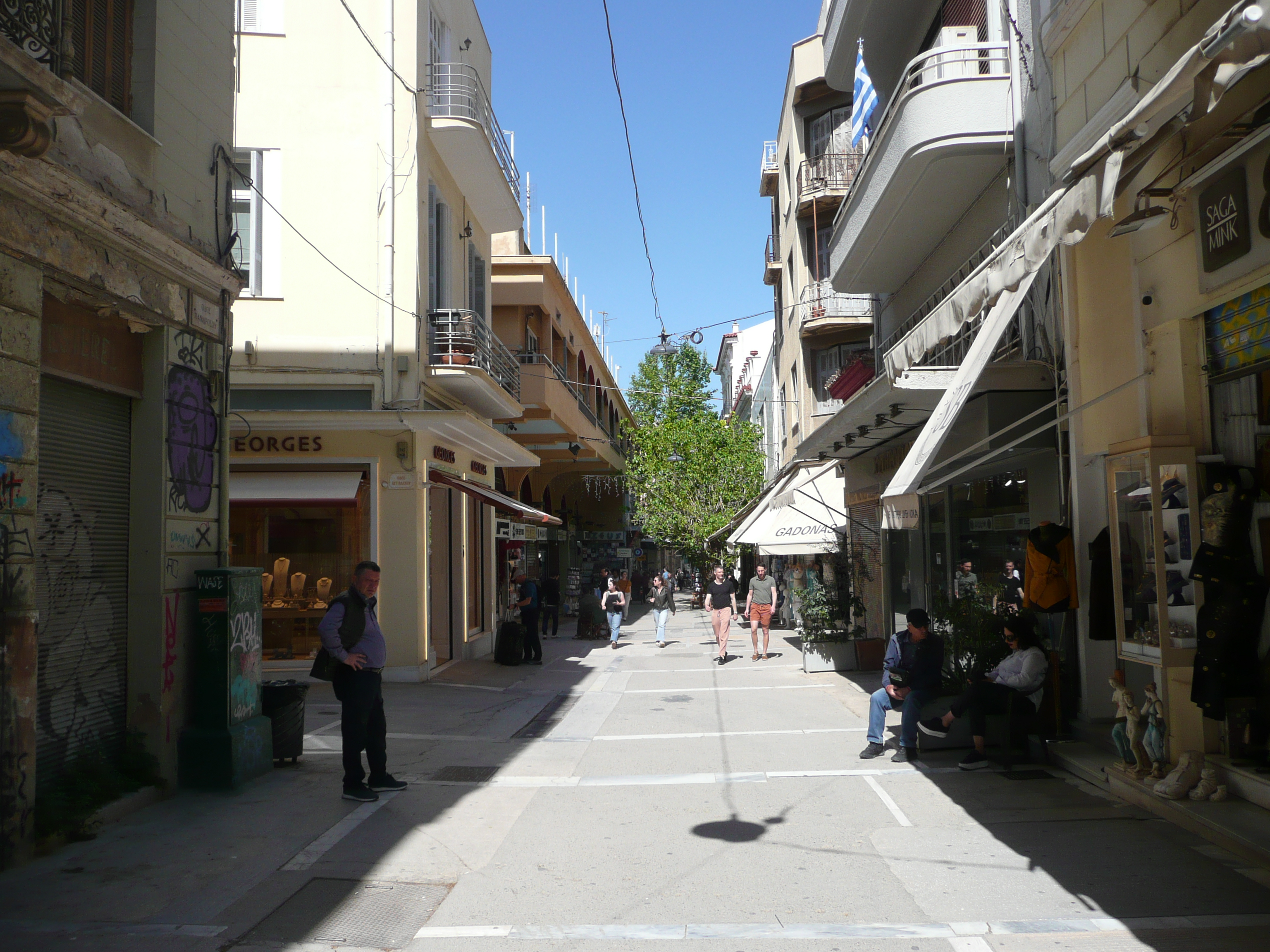
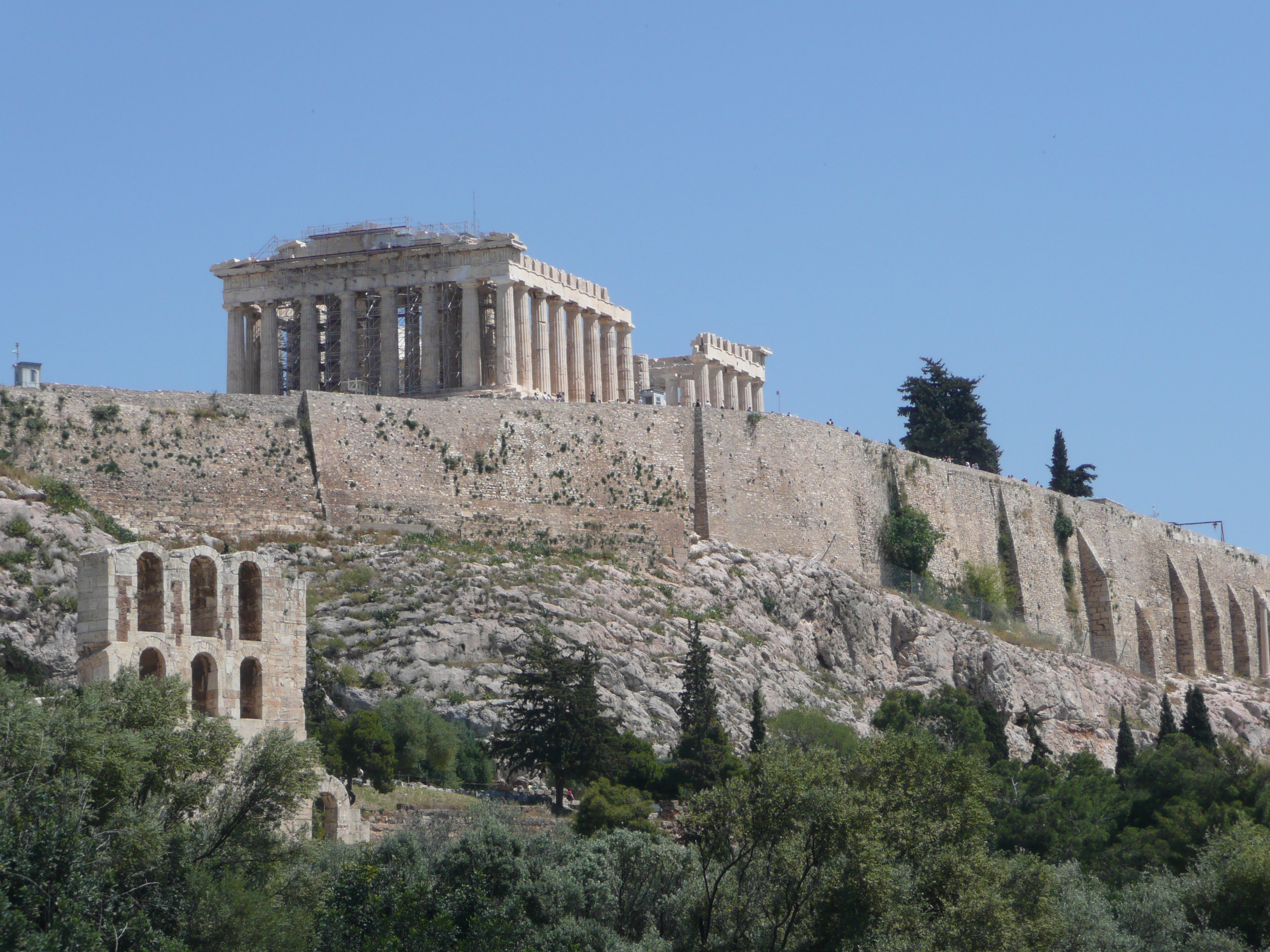
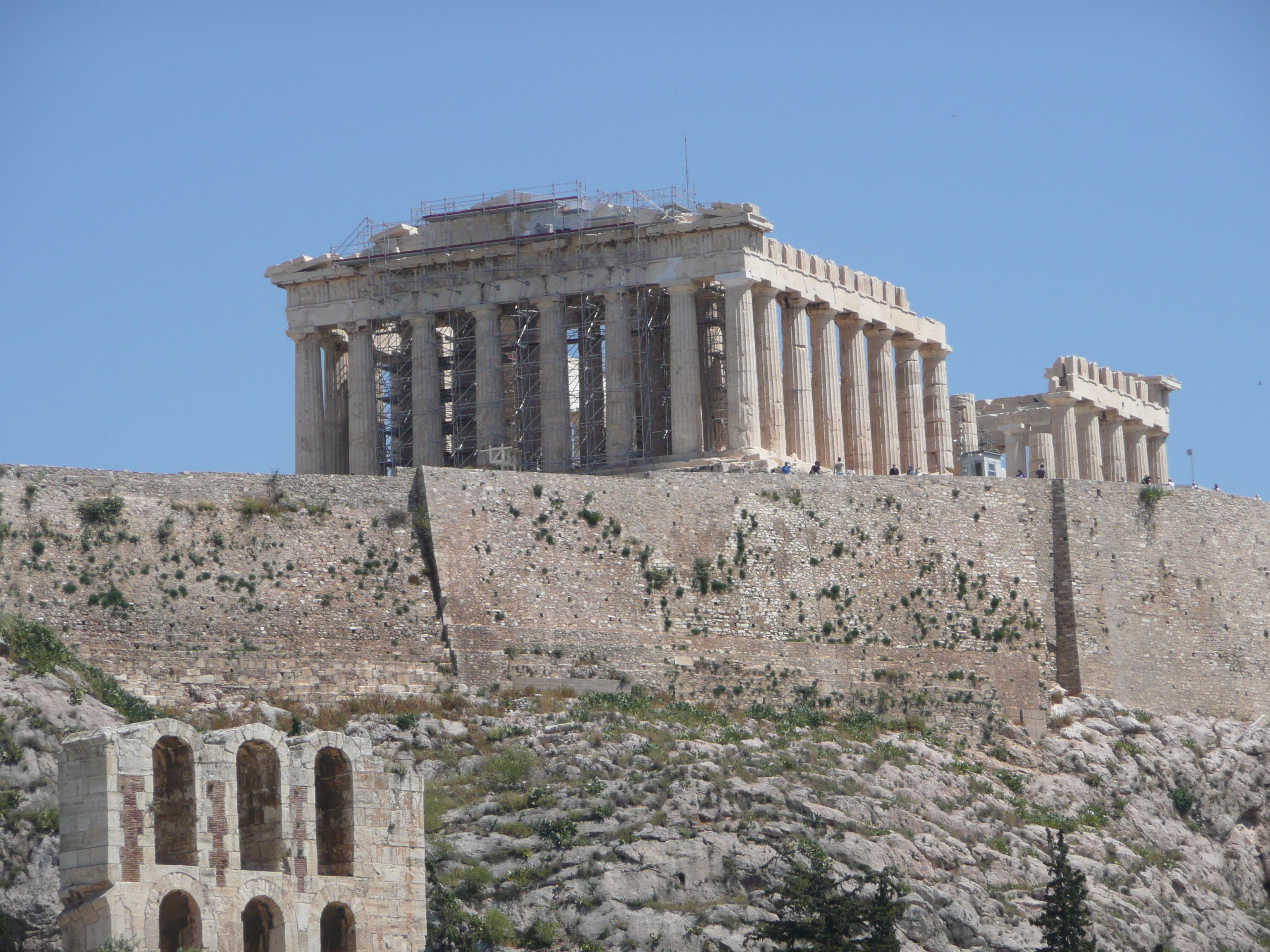
Do Pireusu przypłynęliśmy wcześnie rano, ale już było gorąco. Za gorąco dla mnie i obrzydliwie słonecznie. Już wcześniej postanowiłam, że nie pojadę do Aten, bo byłam tam czterdzieści lat temu i wystarczy. Widziałam wszystko, co chciałam zobaczyć, łącznie z wartą pełnioną przez Ewzonów i zaniedbanymi ulicami, choć najlepiej pamiętam inne wydarzenie – szłam ulicą, kiedy nagle wszystkie sklepy i knajpki zaczęły zamykać drzwi i okiennice, jeśli były. Nie miałam pojęcia co się dzieje i nagle zobaczyłam tłum co najmniej kilkuset facetów (niektórzy nieśli kije). Szybko szli środkiem ulicy krzycząc coś, strzelały race, a ja stałam przytulona do ściany budynku i nie miałam dokąd uciec… Byli to kibice, którzy wracali z meczu piłki nożnej. Ech, wspomnienia.
We arrived in Piraeus early in the morning, but it was already hot—too hot for me, and unpleasantly sunny. I had already decided not to go to Athens; I’d been there forty years ago, and that was enough. I had seen everything I wanted to see, including the Evzones on guard duty and the run-down streets, though what I remember best is a different incident: I was walking down the street when suddenly all the shops and cafes began closing their doors and shutters—wherever they had them. I had no idea what was happening, and then I saw a crowd of at least a few hundred men (some carrying big sticks). They were marching briskly down the middle of the street, shouting something, and flares were going off; I stood pressed against a building wall, with nowhere to run… They were football fans returning from a match. Ah, memories.
Do Aten został oddelegowany Pan i Władca i oto jego sprawozdanie: / The Lord and Master was dispatched to Athens, and here is his report:
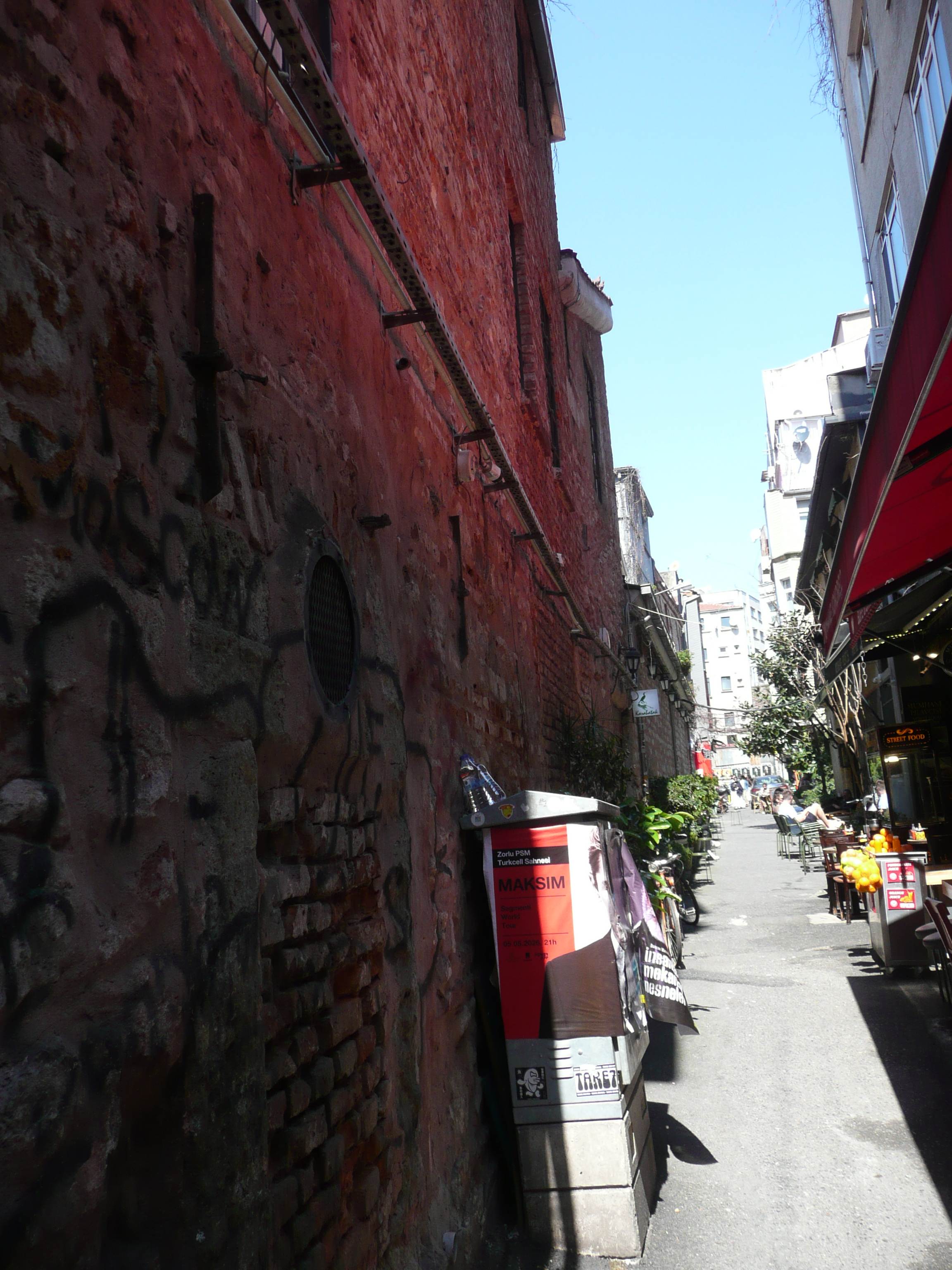
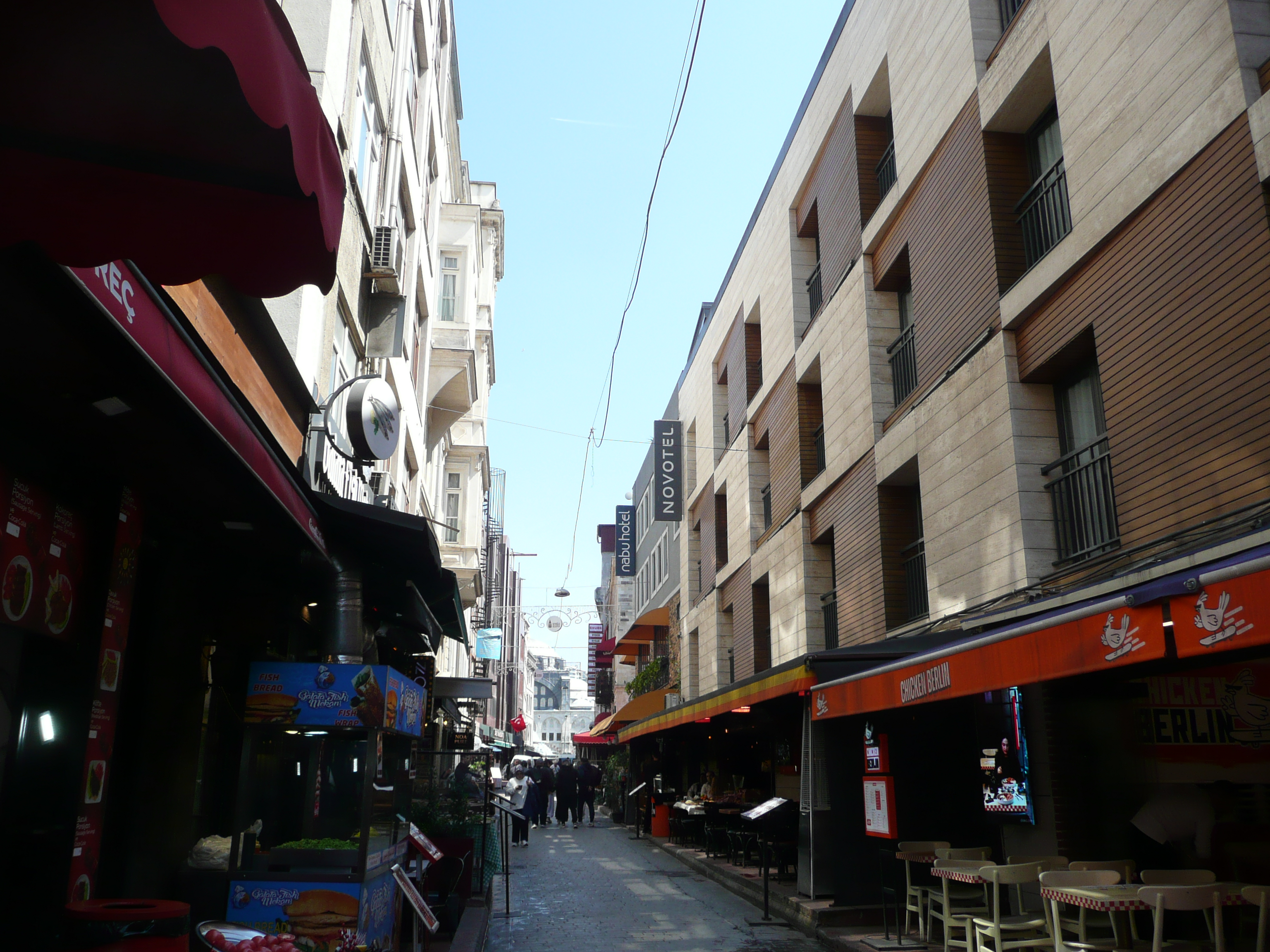
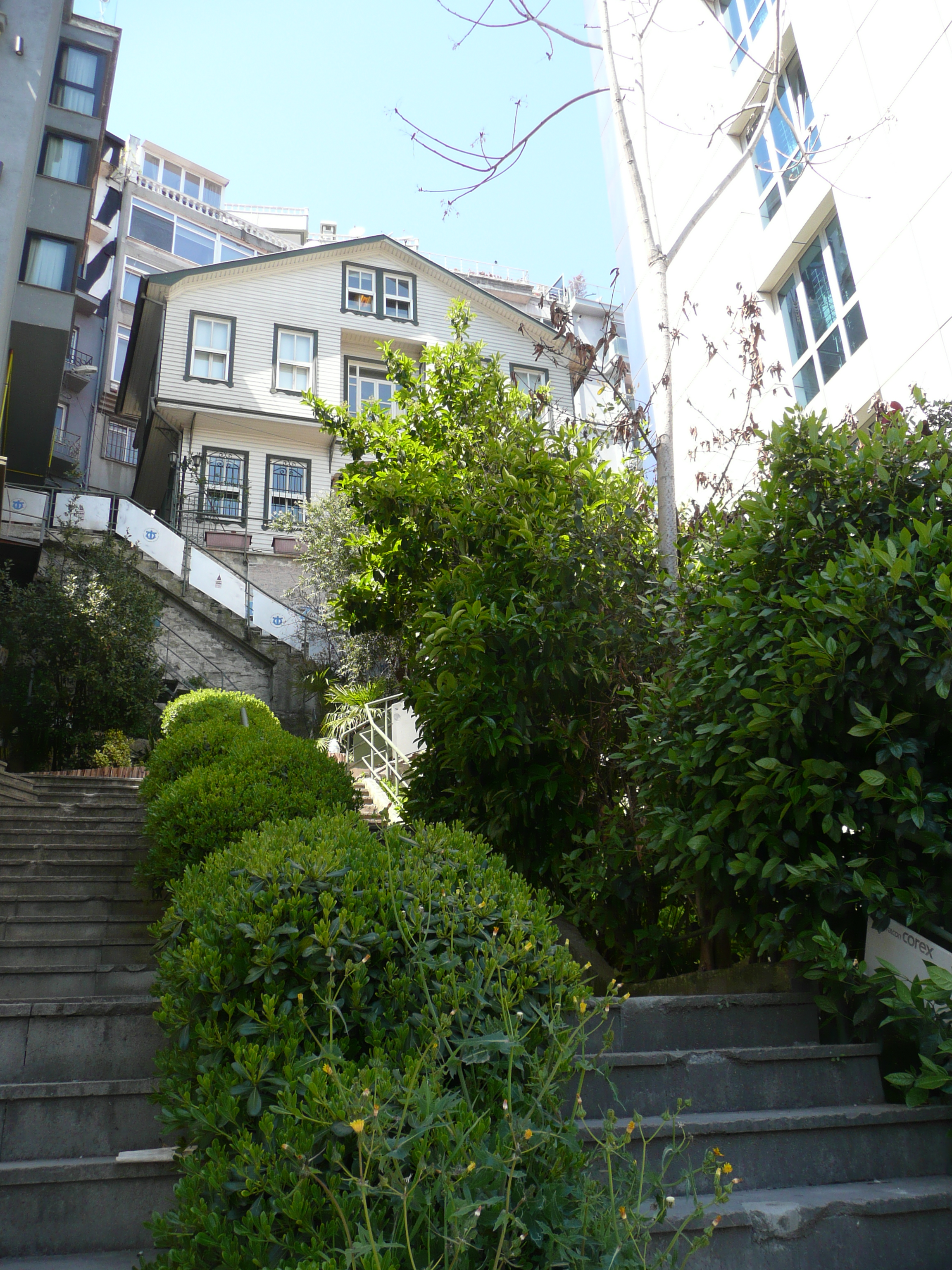
Wcześnie rano następnego dnia ulice nie są już takie zatłoczone, ale ciągle widać świąteczny nastrój. Najpierw idziemy wzdłuż bardzo ruchliwej ulicy, mijając Uniwersytet, mnóstwo hoteli i niewielkich meczetów i całe armie policji a potem skręcamy i zanurzamy się w stare, wąskie uliczki.
Early the next morning, the streets are no longer quite as crowded, yet the festive atmosphere is still palpable. We first walk along a very busy street—passing the university, numerous hotels, small mosques, and throngs of police—before turning off and plunging into the old, narrow lanes.
Byłam już w wielu wielkich miastach, ale w żadnym ludzie nie byli tak przyjaźni i uprzejmi jak tutaj. Wprawdzie ulice w wielu miejscach są rozkopane, chodniki nie są równe, ale jest czysto a policjantki z groźnymi minami odwzajemniają moje uśmiechy.
I have been to many big cities, but nowhere else have the people been as friendly and polite as they are here. Admittedly, the streets are torn up in many places and the sidewalks are uneven, but it is clean, and the stern-faced policewomen return my smiles.
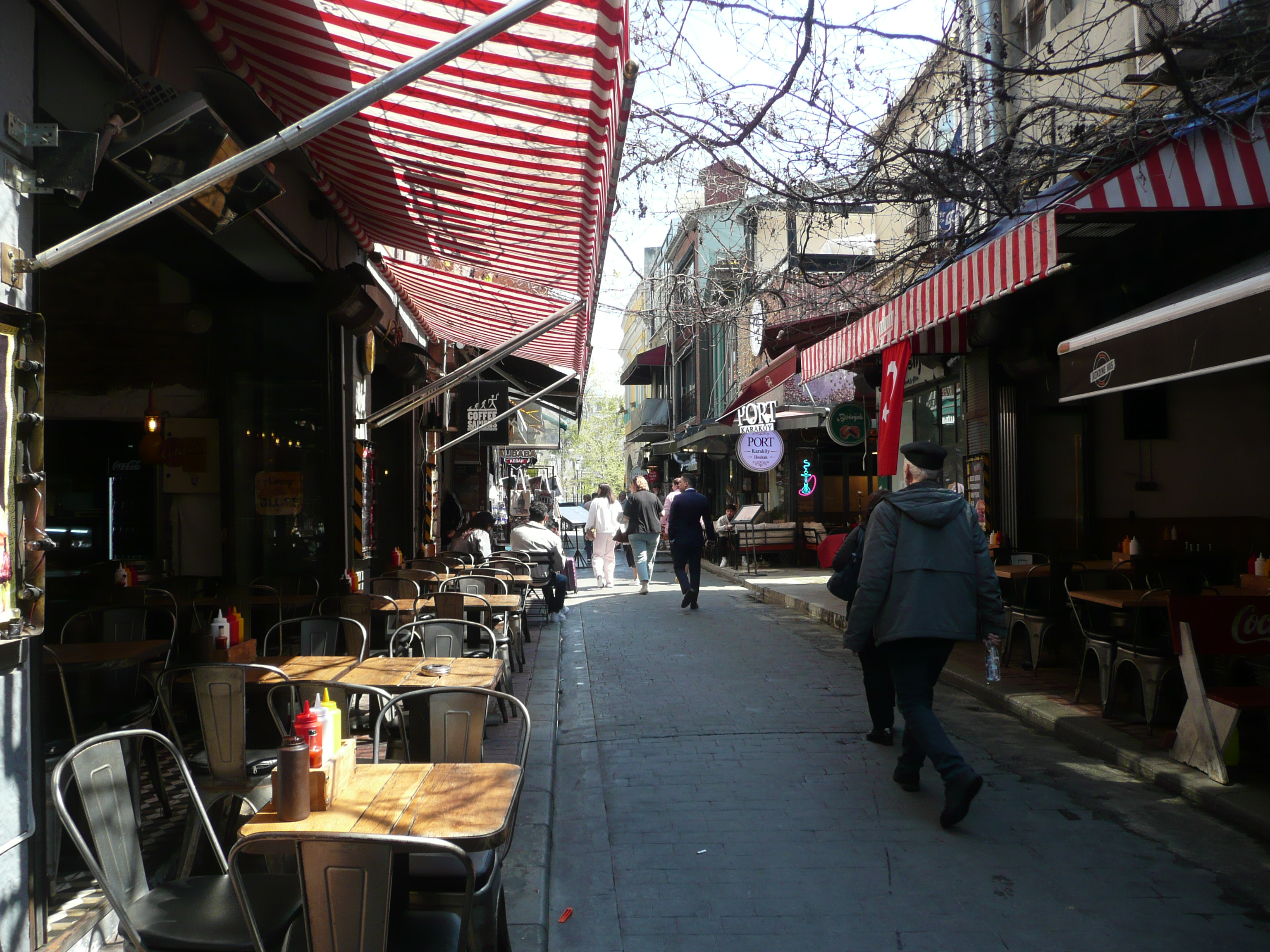
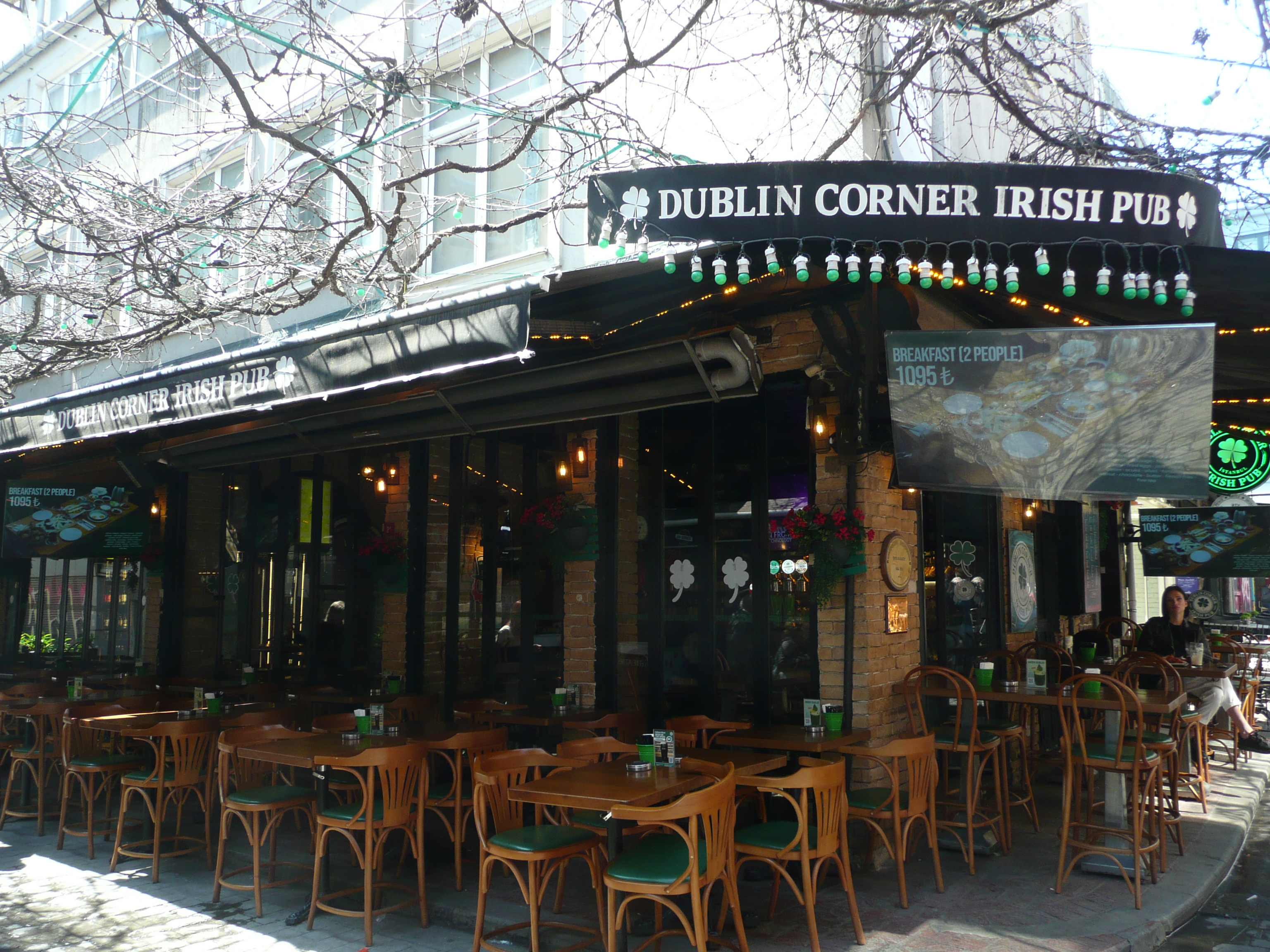
No i zapach dobiegający z niezliczonych ilości restauracji, knajpek i kawiarń… Wspaniały. Postanawiamy spróbować lokalnego jedzenia, ale na razie skończyły nam się wąskie uliczki i znaleźliśmy się znów w zalanej słońcem wielkomiejskiej części dzielnicy Karaköy.
And then there are the aromas wafting from countless restaurants, eateries, and cafés… Simply wonderful. We decide to try some local food, but for the moment, the narrow streets have come to an end, and we find ourselves back in the sun-drenched, bustling urban area of the Karaköy district.
Śpiew muezzina ogłasza wczesne popołudnie, zawracamy więc i szukamy jakiegoś zacienionego miejsca na spróbowanie tureckich pyszności, ale ponieważ nie mamy tureckich lir, więc musimy pytać, czy przyjmą euro. Zasiadamy za stołem, pan kelner na naszą prośbę wpisuje nam w smartfonach hasło do internetu, a siedzący przy sąsiednim stole młody człowiek pyta, czy nie będzie mi przeszkadzał dym z papierosa. W tym momencie postanawiam, że oficjalnie i z pełną odpowiedzialnością ogłaszam, że miasto Istambuł jest najfajniejszym miastem na świecie!
The muezzin’s call announces the early afternoon, so we turn back and look for a shady spot to sample some Turkish delicacies; however, since we don’t have any Turkish liras, we have to ask if they accept euros. We sit down at a table, the waiter enters the Wi-Fi password into our smartphones at our request, and a young man at the next table asks if his cigarette smoke would bother me. At that moment, I decide to officially—and with full conviction—declare that Istanbul is the coolest city in the world!
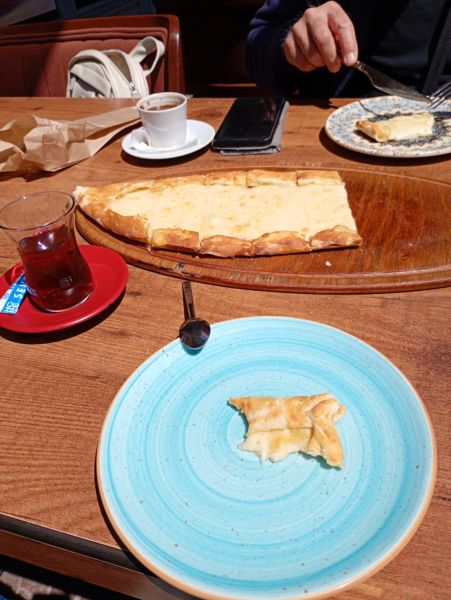
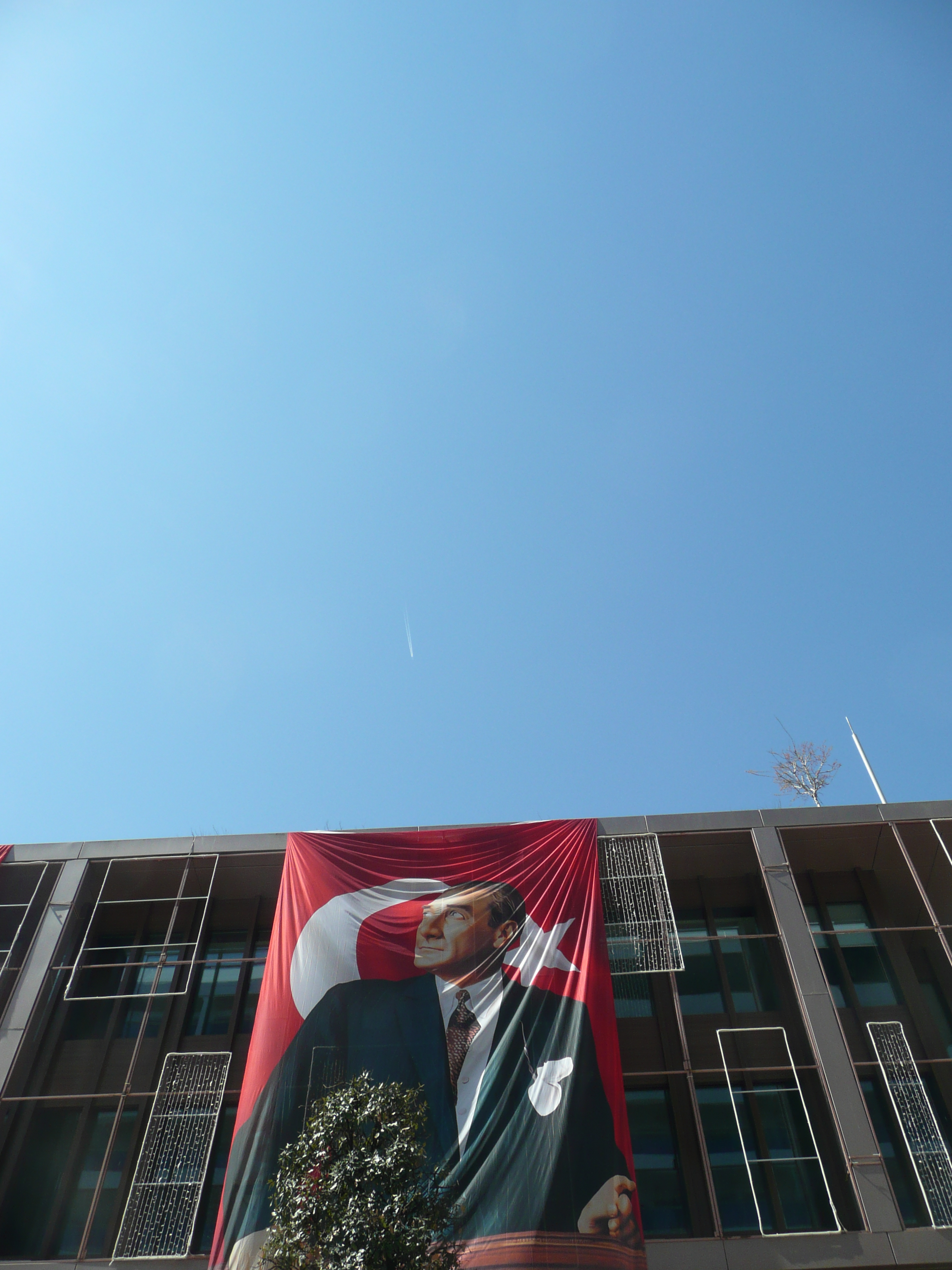
Postanawiam spróbować tureckiej herbaty, zamiast zwyczajowej kawy. Turecka pizza (pide) i herbata – niebo. Po ponad godzinie ruszamy dalej, obok wieży Galata, licznych butików, banków, sklepów z dywanami i galerii sztuki. Z wielu budynków śledzi nas wzrok niebieskookiego mężczyzny na gigantycznych portretach zawieszonych na fasadach budynków. W końcu pytam hotelowego pracownika: „Kim jest ten mężczyzna?” „To Mustafa Kemal Atatürk” * – odpowiada i już zaczyna mi o nim opowiadać, ale ja wiem doskonale kim był, tyle że nie wiedziałam, że tak wyglądał.
I decide to try Turkish tea instead of my usual coffee. Turkish pizza (pide) and tea—pure bliss. After more than an hour, we move on, passing the Galata Tower, numerous boutiques, banks, carpet shops, and art galleries. From many of the buildings, the gaze of a blue-eyed man follows us from giant portraits hanging on the facades. Finally, I ask a hotel employee, „Who is that man?” „That’s Mustafa Kemal Atatürk” * he replies, immediately starting to tell me about him—though I know perfectly well who he was; I just hadn’t realized that was what he looked like.
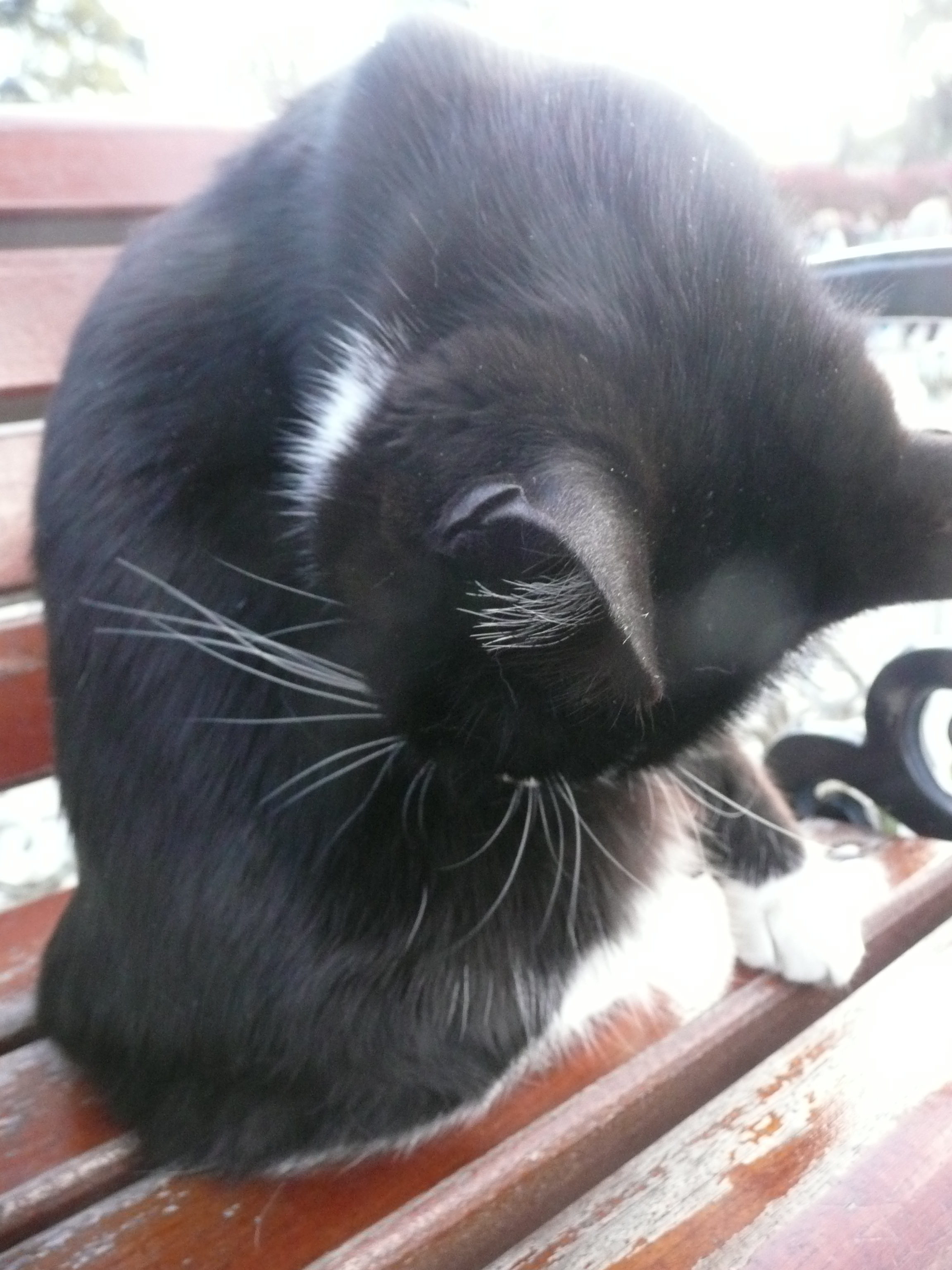
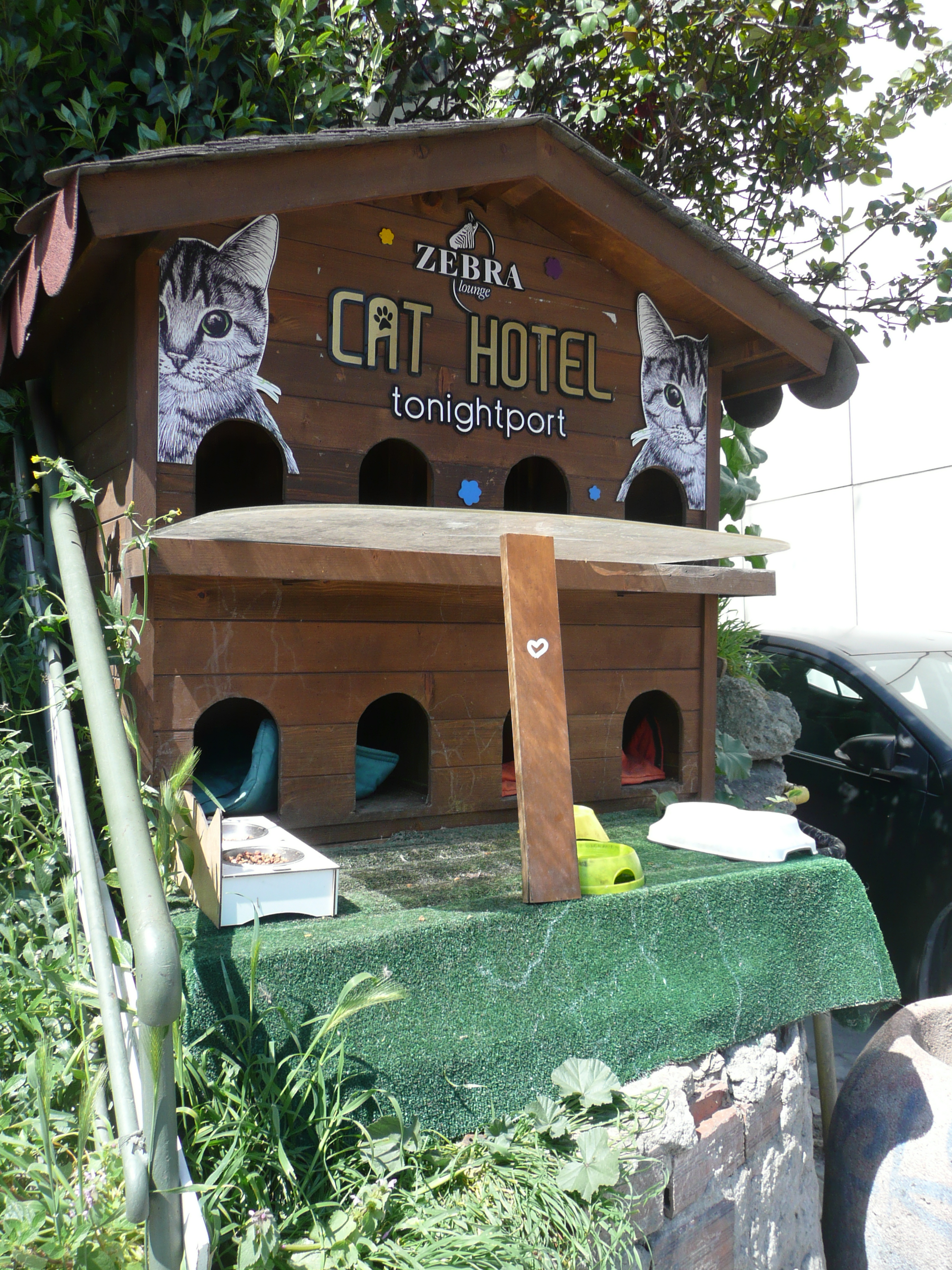
Muszę jeszcze wspomnieć o istambulskich kotach. Koty są wszędzie – wygrzewają się na ławkach, na chodnikach i schodach, mają mnóstwo jedzenia i picia, a małe i większe kocie hotele i domki są wszędzie. Podchodzą czasem do ludzi, kiedy chcą być głaskane i absolutnie nie są zaniedbane. Taka ciekawostka…
I also have to mention Istanbul’s cats. They are everywhere—basking on benches, sidewalks, and steps; they have plenty of food and water, and small cat hotels and shelters are scattered all over the place. Sometimes they approach people when they want to be petted, and they are certainly not neglected. Just an interesting detail…
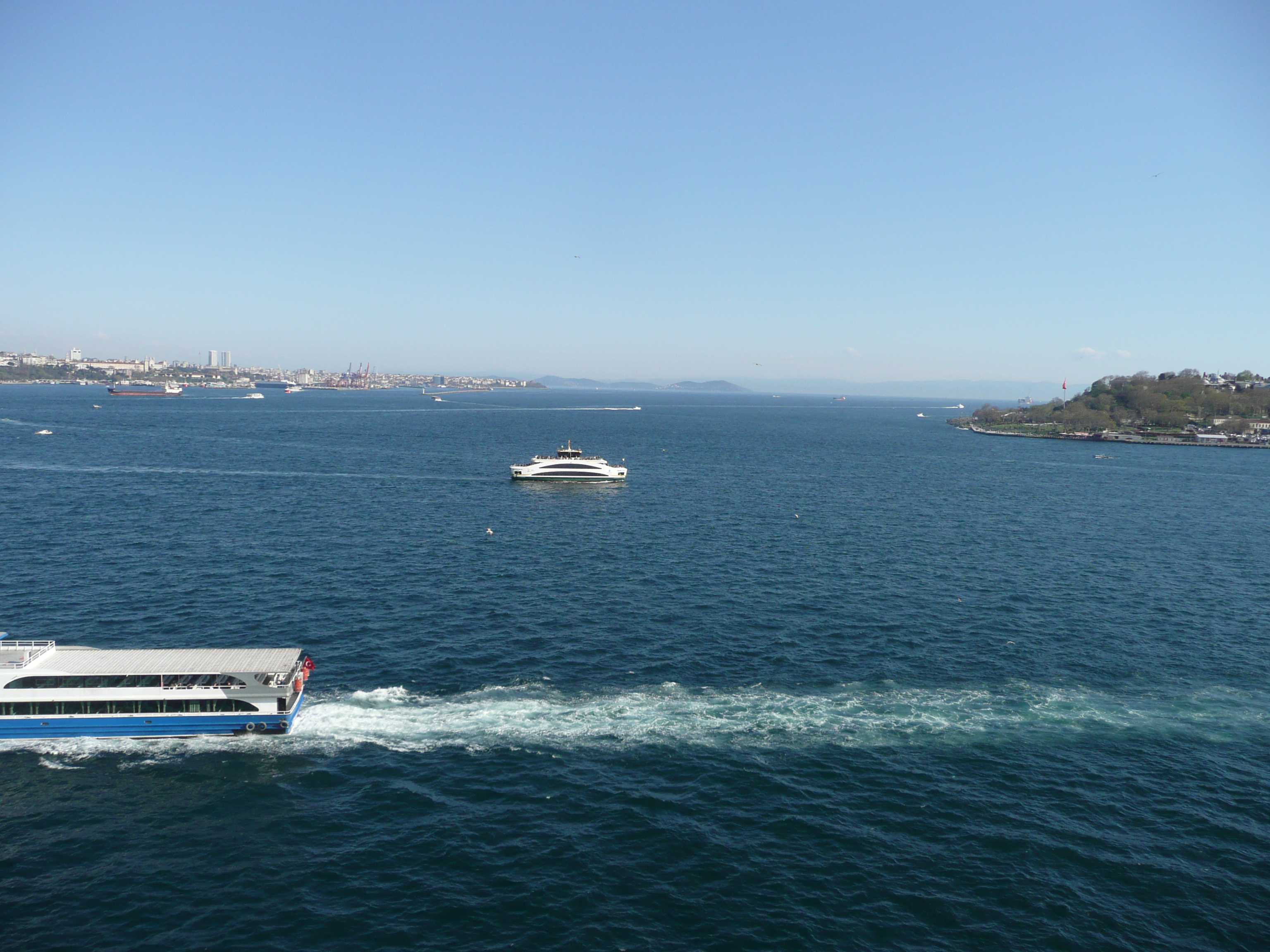
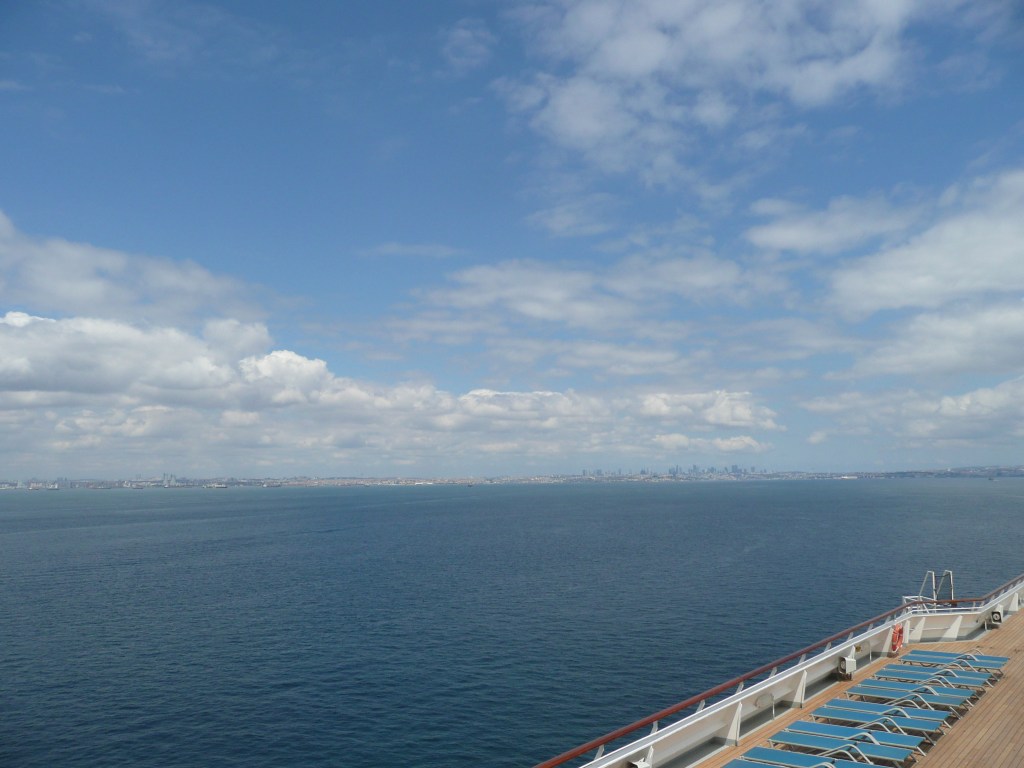
Zbliżał się wieczór i przyszła pora opuścić to wspaniałe miasto. O 21:25, żegnani śpiewem muezzina popłynęliśmy przez Bosfor i dalej na południe ma Morze Marmara i lekko na zachód przez Cieśninę Dardanele na Morze Egejskie. Do następnego portu.
Evening was approaching, and the time had come to leave this magnificent city. At 9:25 PM, bid farewell by the singing of the muezzin, we sailed across the Bosphorus, then south into the Sea of Marmara and slightly west through the Dardanelles Strait toward the Aegean Sea. On to the next port.
Istanbul 2026
* Mustafa Kemal Atatürk – był niesamowitym człowiekiem. Jego życiorys mógłby posłużyć za gotowy scenariusz filmowy, a jego osiągnięcia nie tylko dla Turcji, ale również dla świata XX wieku są bardzo znaczące, choć w Europie niewielu je zna. Nie będę was zanudzać opowieściami o nim, ale moge powiedzieć, że wprowadził Turcję w XX wiek. Jego najważniejsze osiągnięcia to: w 1923 roku proklamował powstanie Republiki Tureckiej i zainicjował gigantyczny program modernizacyjny (tzw. kemalizm). Rozdzielił religię od państwa, zlikwidował kalifat i zamknął sądy religijne. Zastąpił tradycyjne pismo arabskie zmodyfikowanym alfabetem łacińskim, co znacząco podniosło poziom alfabetyzacji. Przyznał kobietom pełne prawa wyborcze (w latach 1930–1934) oraz prawo do rozwodu i dziedziczenia. Zakazał noszenia tradycyjnych fezów i chust w urzędach, zachęcając do noszenia ubioru zachodniego. Wprowadził także kalendarz gregoriański. W 1934 roku parlament nadał mu nazwisko Atatürk, co oznacza „Ojciec Turków”.
* Mustafa Kemal Atatürk was an extraordinary man. His life story could serve as a ready-made screenplay, and his achievements—significant not only for Turkey but for the 20th-century world – remain little known in Europe. I won’t bore you with a long account of his life, but suffice it to say that he brought Turkey into the 20th century. His key achievements include proclaiming the Republic of Turkey in 1923 and launching a massive modernization program (known as Kemalism). He separated religion from the state, abolished the caliphate, and closed religious courts. He replaced the traditional Arabic script with a modified Latin alphabet, which significantly boosted literacy rates. He granted women full voting rights (between 1930 and 1934), as well as the right to divorce and inherit property. He banned the wearing of traditional fezzes and headscarves in government offices, encouraging Western-style attire instead. He also introduced the Gregorian calendar. In 1934, parliament bestowed upon him the surname Atatürk, meaning „Father of the Turks.”
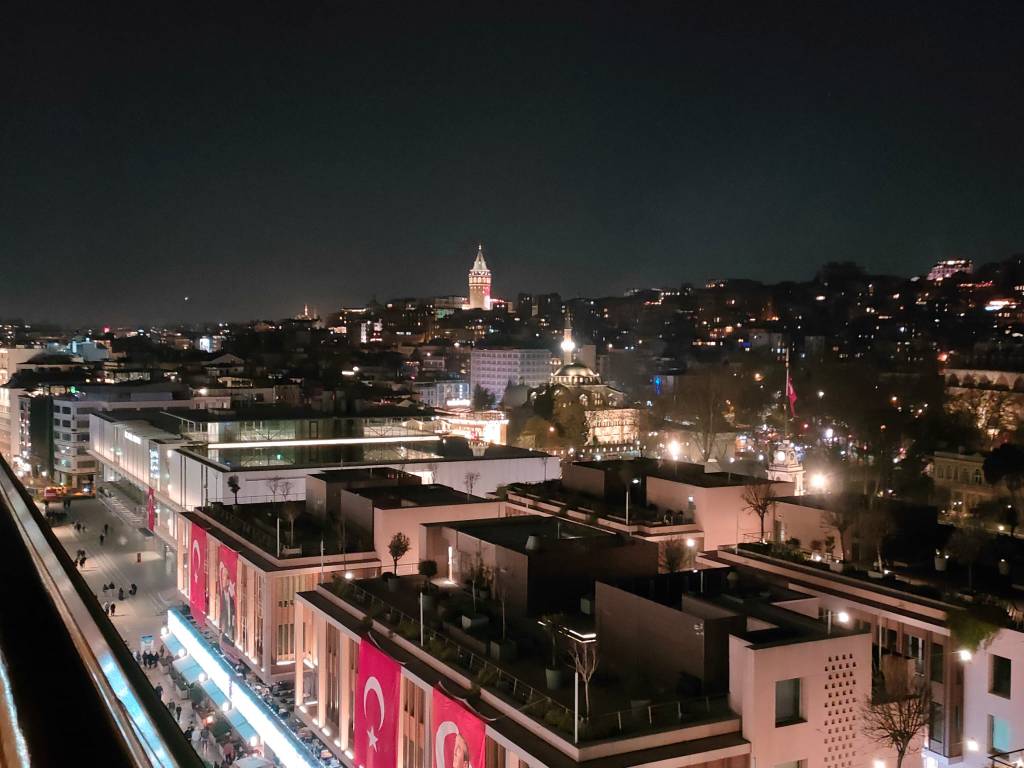
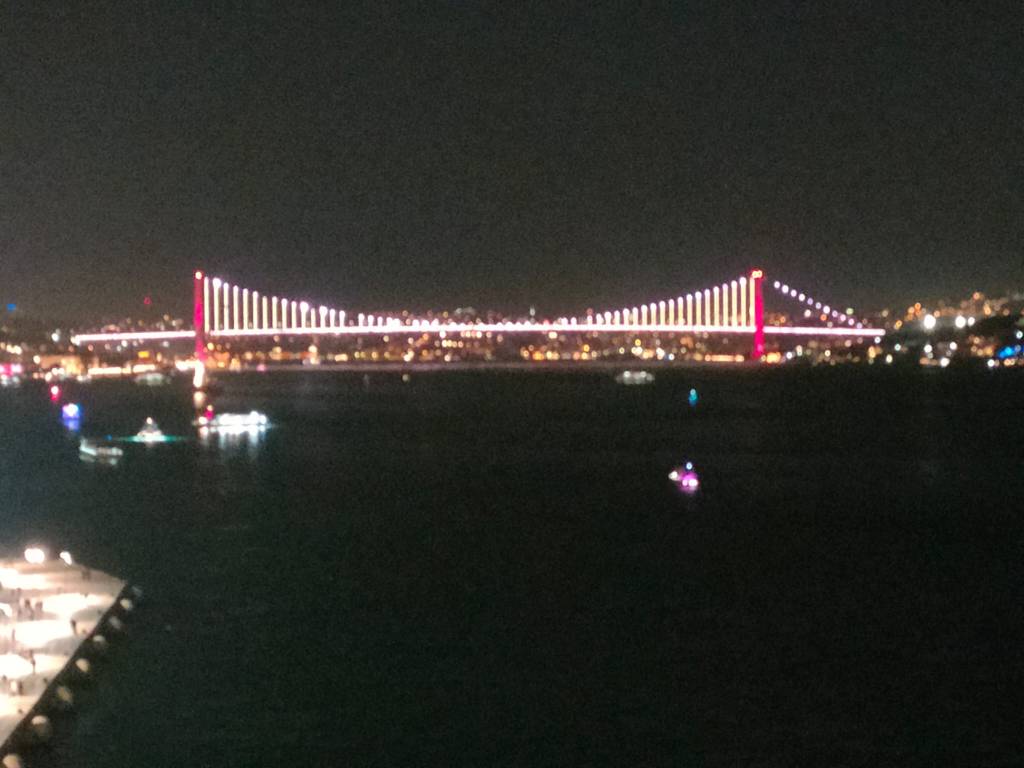
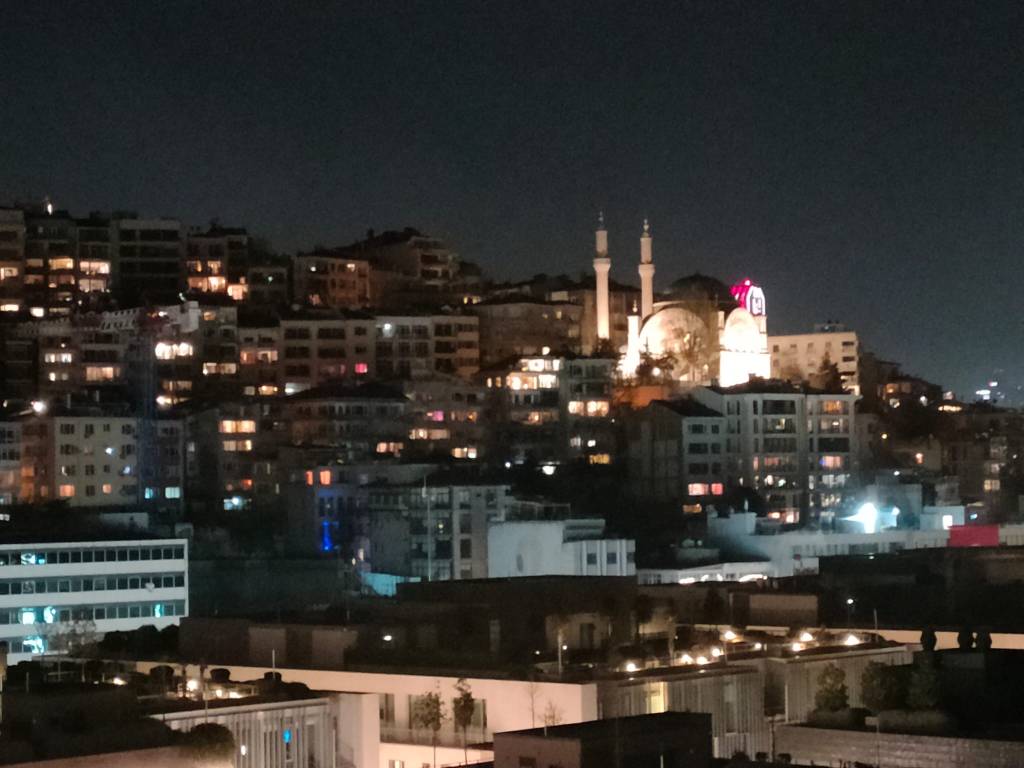
Po zachodzie słońca miasto wcale nie idzie spać. Po zachodzie słońca rozlega się śpiew muezzina, zapalają się miliony świateł, a miasto jeszcze bardziej ożywa. Kawiarnie i restauracje pękają w szwach, po ulicach wędrują tłumy, a Bosfor ze swoimi wielkimi mostami wygląda jak baśń z tysiąca i jednej nocy, wypełniony po brzegi oświetlonymi statkami, łodziami i małymi łódkami. Zanurzamy się w tę feerię świateł i wędrujemy ulicami nie przejmując się późną porą. *
The city doesn’t go to sleep after sunset; instead, the muezzin’s call rings out, millions of lights flicker on, and the city comes even more alive. Cafés and restaurants are packed to bursting, crowds wander the streets, and the Bosphorus with its great bridges looks like a scene from One Thousand and One Nights, teeming with illuminated ships, boats, and small craft. We immerse ourselves in this dazzling display of light and wander the streets, unconcerned by the late hour. *
Istanbul by night (2026)
* Istambuł jest bardzo bezpieczny, zarówno w dzień, jak i w nocy. Nawet samotne kobiety mogą po zmroku spacerować po „turystycznych” dzielnicach bez obaw.
* Istanbul is very safe, both by day and by night. Even women on their own can walk around „tourist” districts after dark without worry.
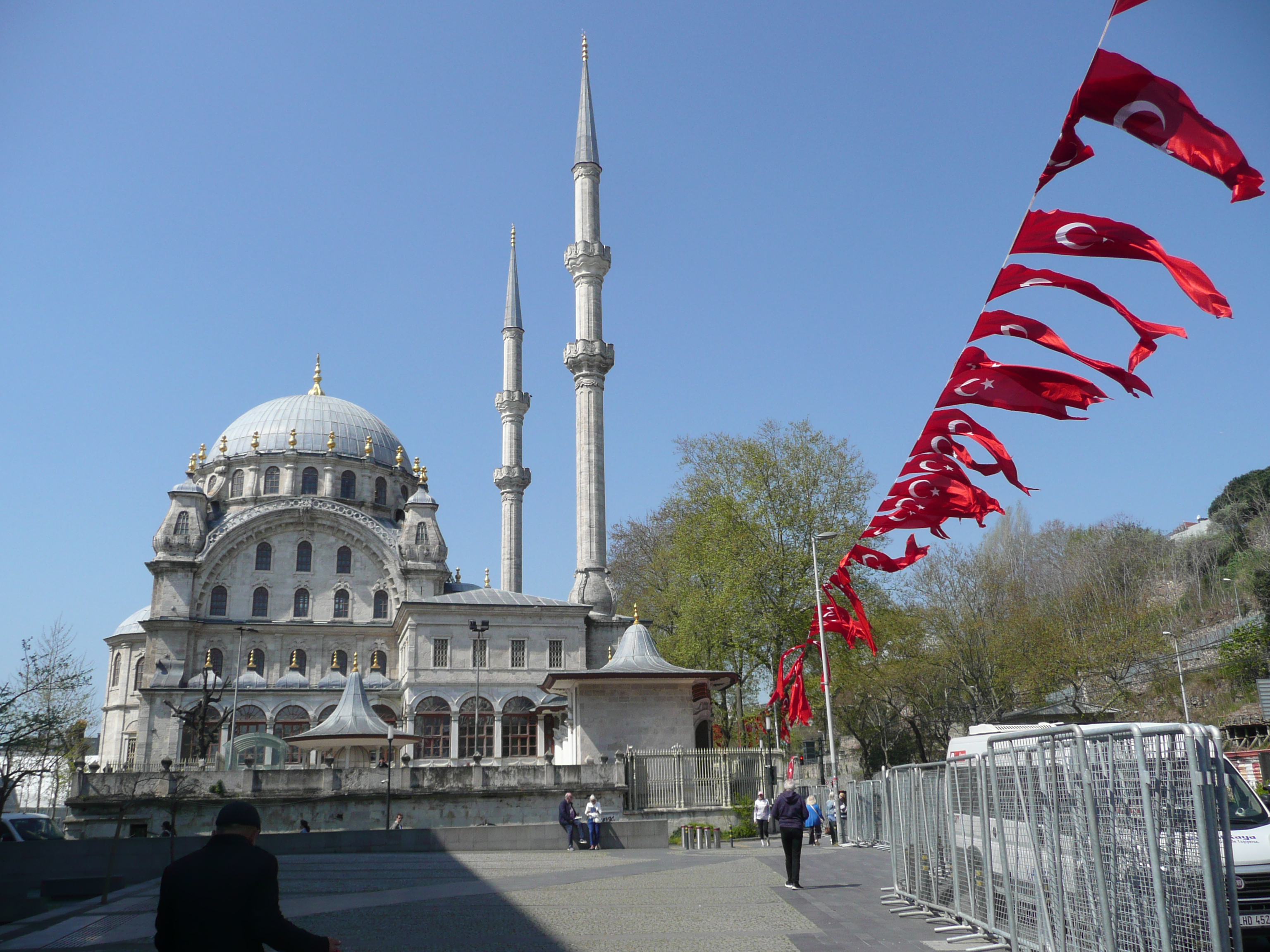
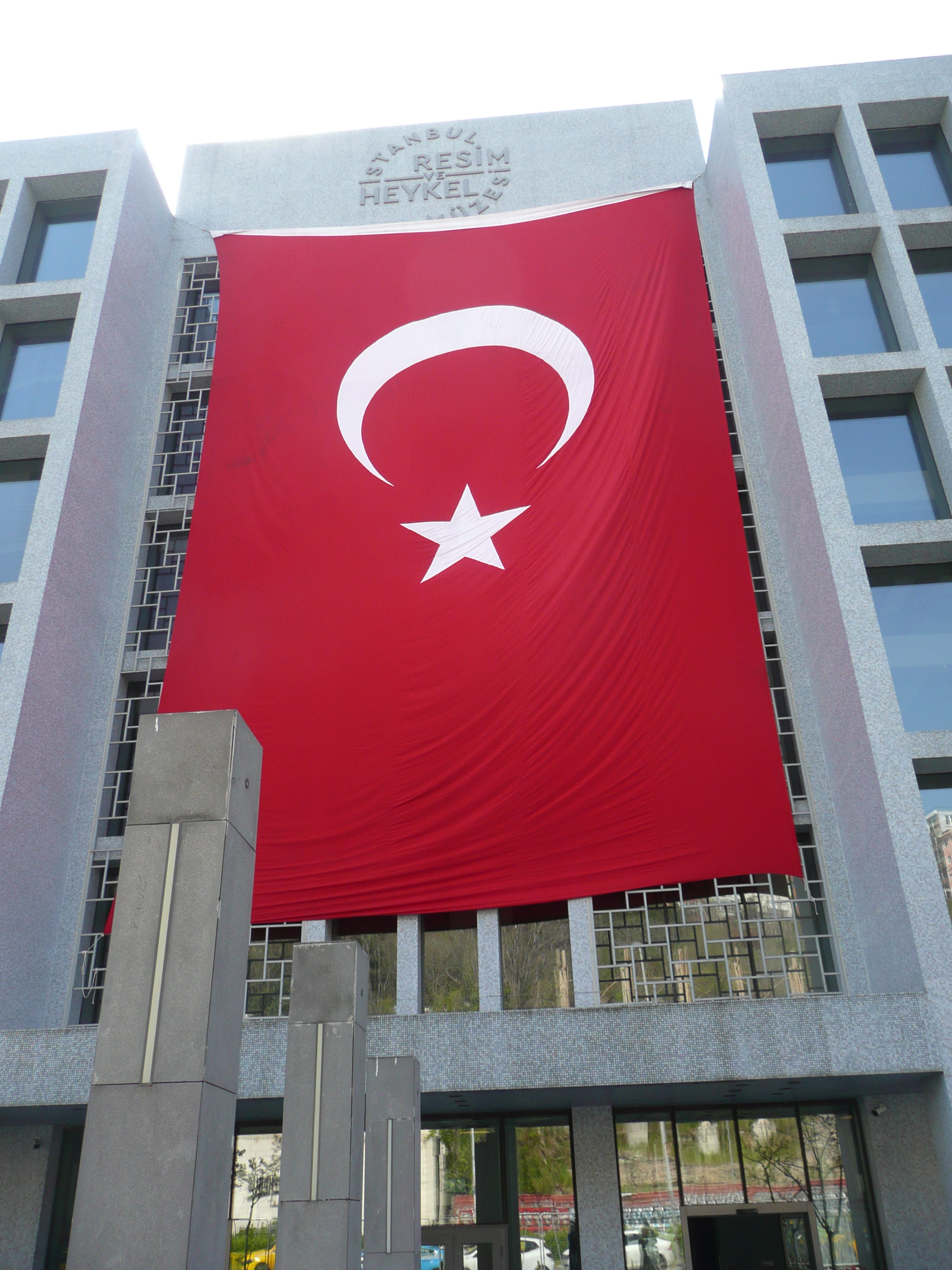
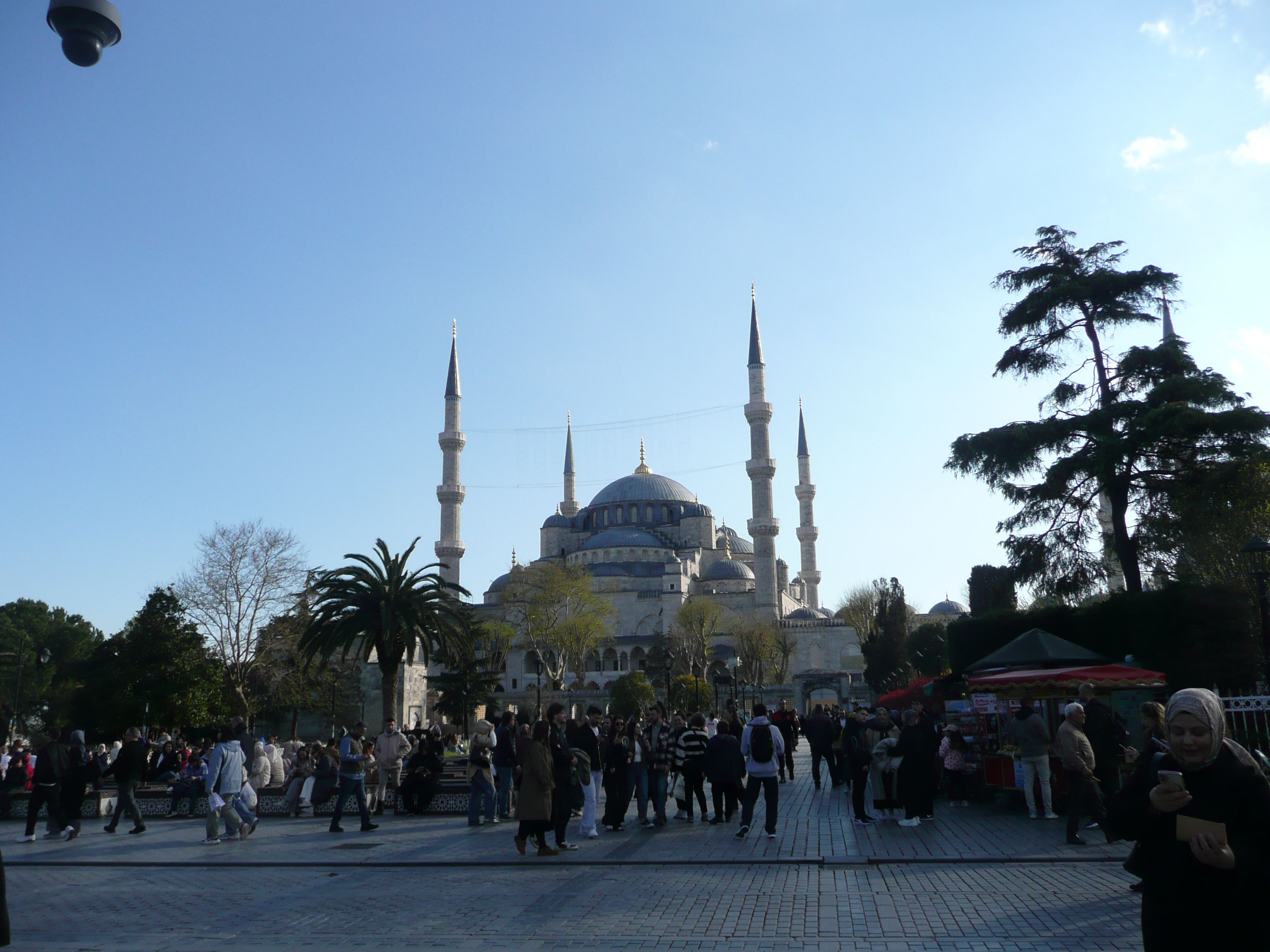
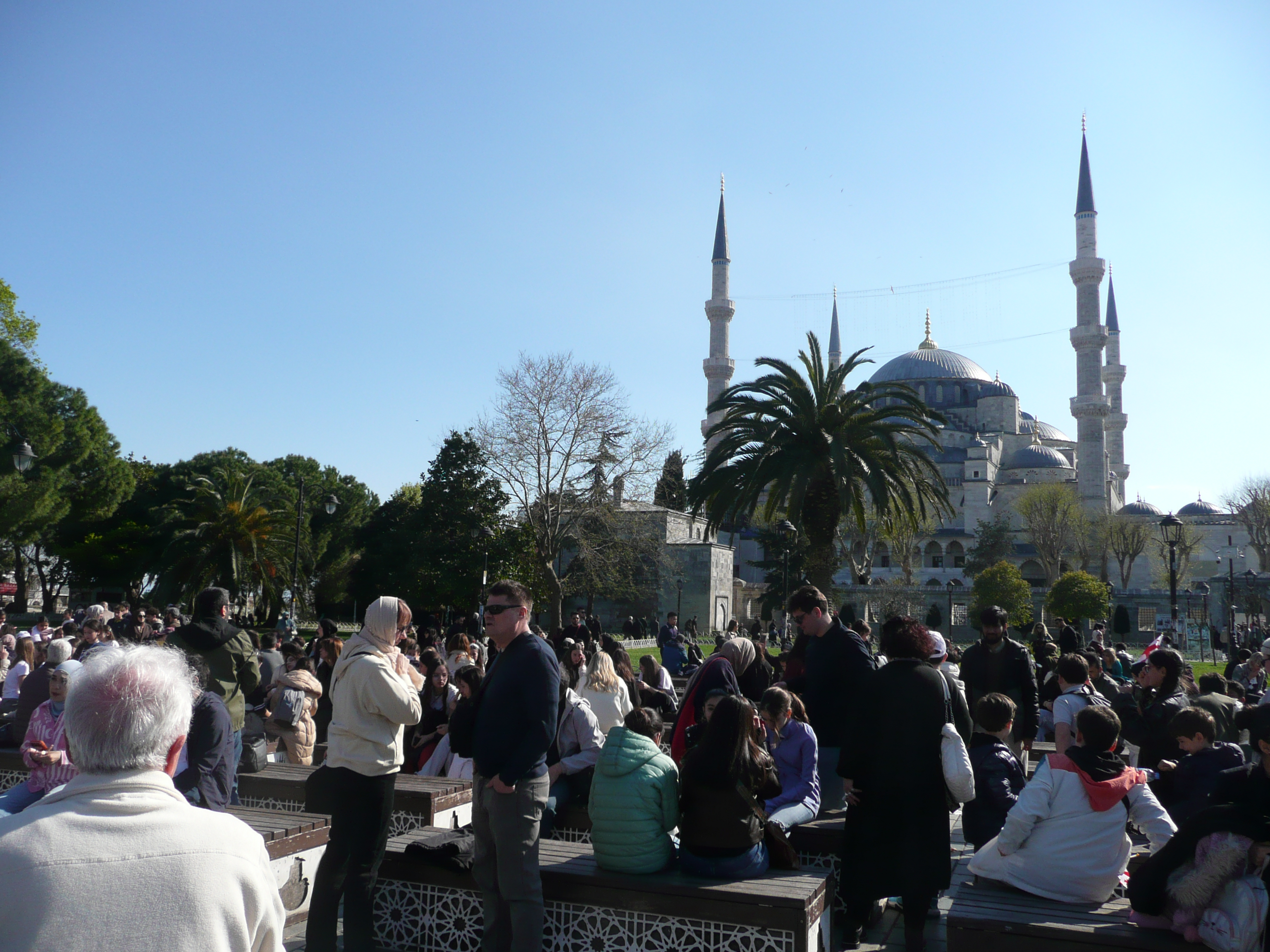
Zanim rozpoczniemy wędrówkę po Istambule, najpierw musimy odstać bardzo długą kolejkę do statkowej Recepcji, ponieważ według informacji na naszej karcie wizowej (Mürettebat geçici giriş belgesi) jesteśmy obywatelami Szwajcarii. Nie my jedni mamy problem ze źle wypełnionymi formularzami, stąd tłum ludzi. Kiedy wychodzimy na zalaną słońcem ulicę, okazuje się, że tego dnia w Turcji jest wielkie święto – Dzień Suwerenności Narodowej i Dzień Dziecka! Wszędzie są tłumy – ulice, parki, skwery, place są pełne ludzi, wielu urządza pikniki na trawie, jest gwarno i radośnie. Wszędzie, na prawie wszystkich budynkach wiszą ogromne flagi i równie ogromne portrety niebieskookiego mężczyzny… Ale o tym później, bo teraz jedziemy zobaczyć dwa najważniejsze meczety, których nie zdołałam zobaczyć czterdzieści lat temu – Błękitny i oczywiście Hagia Sophia.
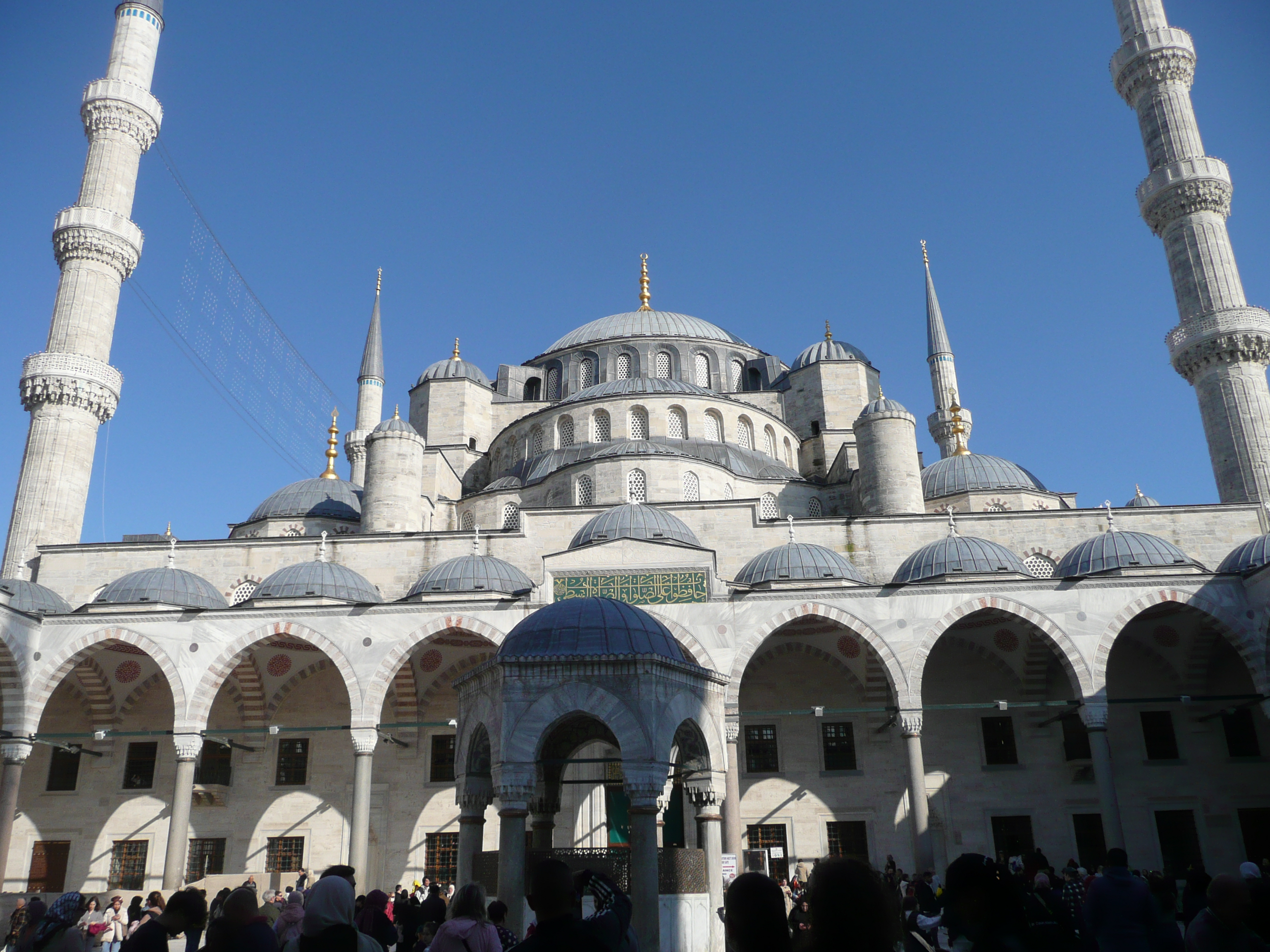
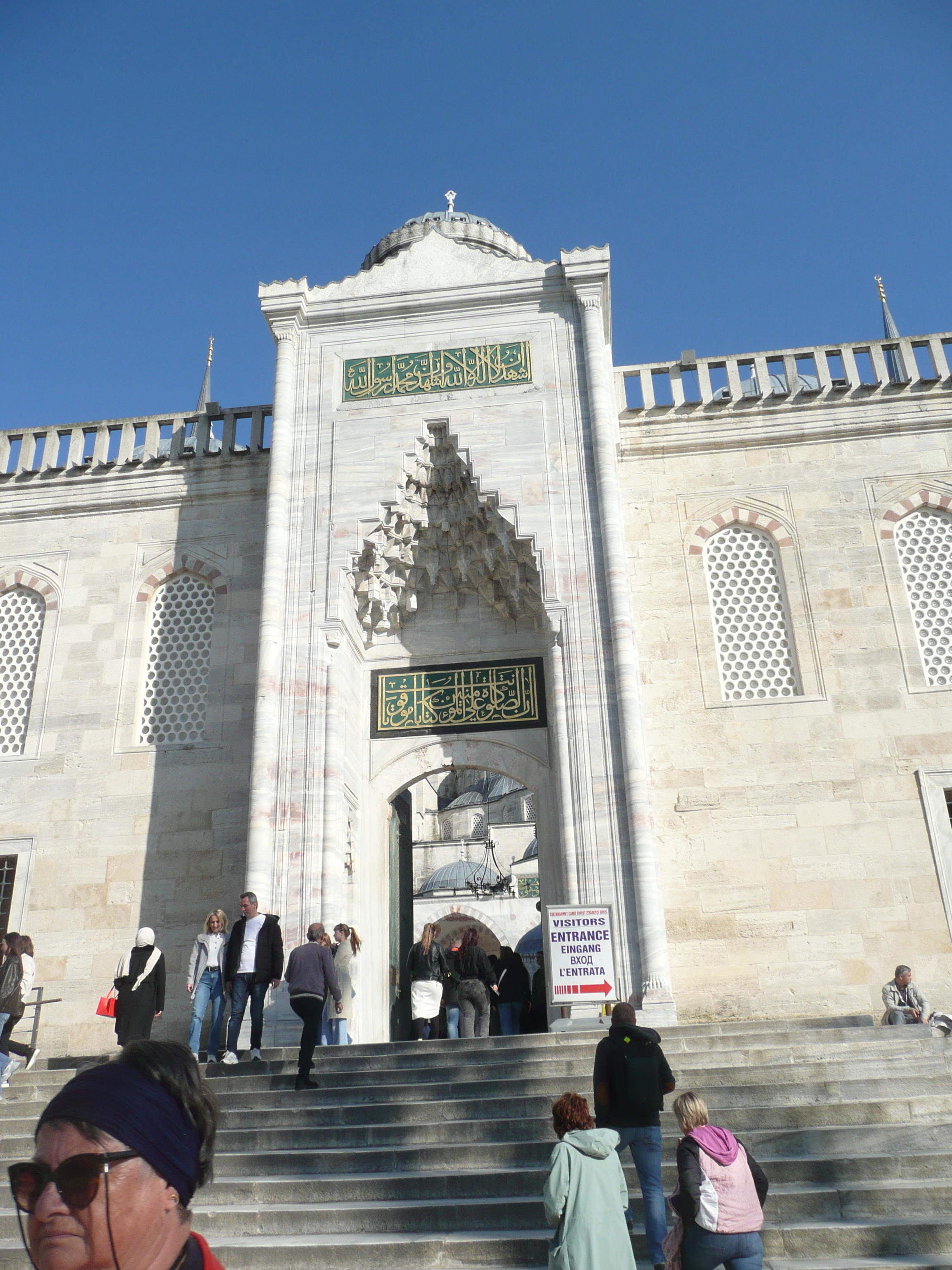
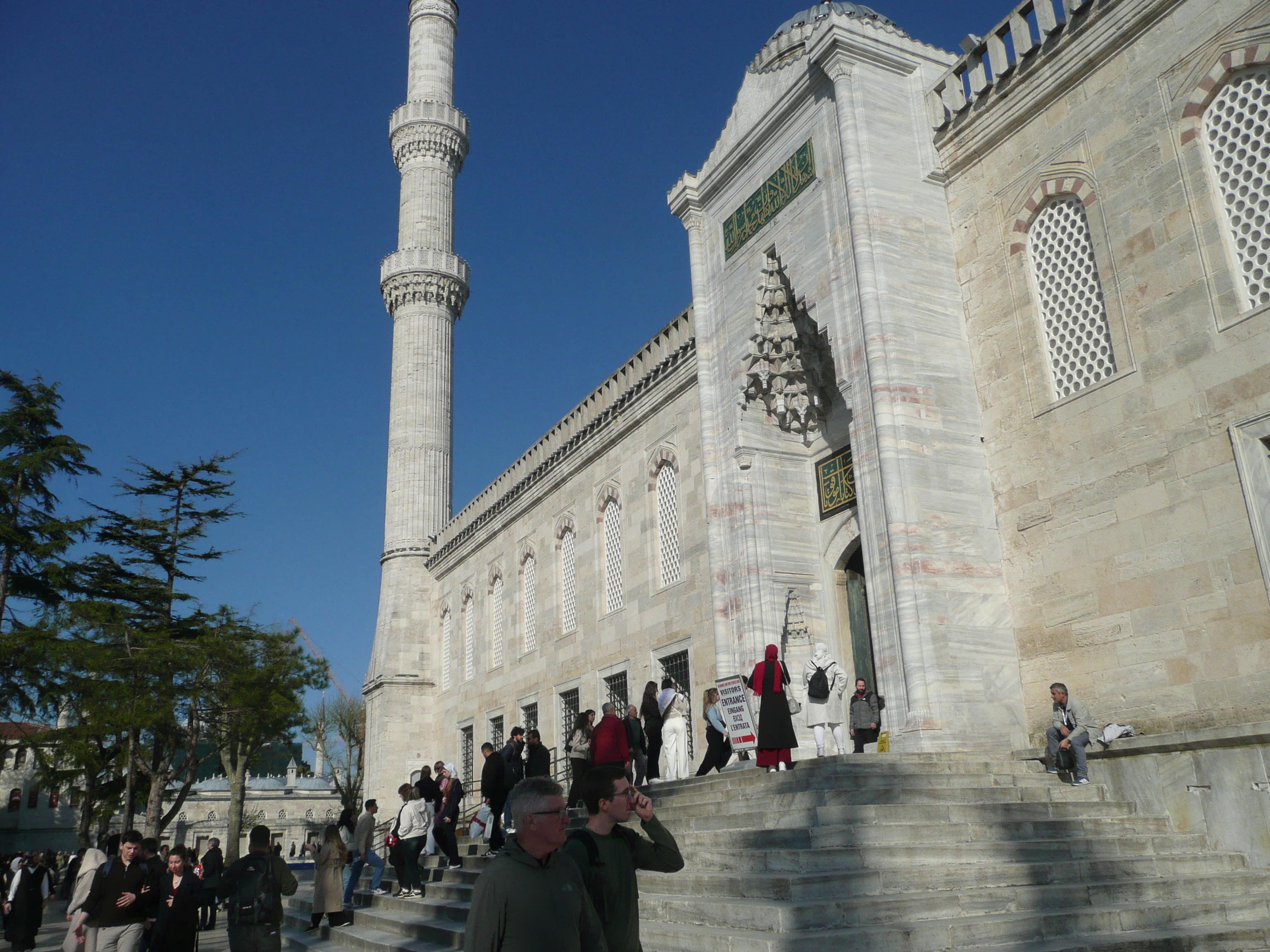
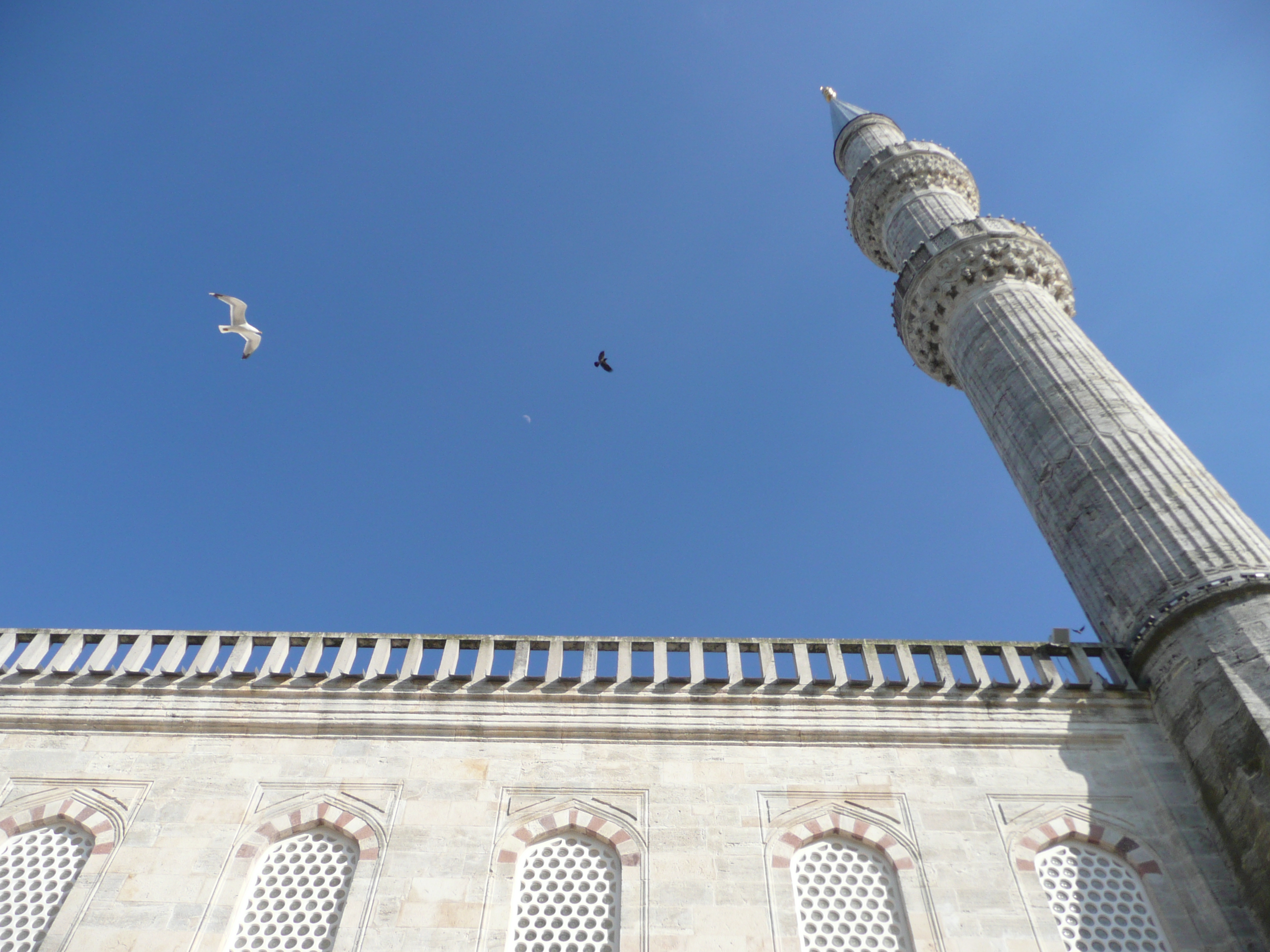
Before we set off to explore Istanbul, we first have to wait in a very long line at the ship’s reception desk because, according to our temporary entry permits (Mürettebat geçici giriş belgesi), we are listed as Swiss citizens. We aren’t the only ones dealing with incorrectly filled-out forms—hence the crowd. When we step out onto the sun-drenched street, we discover that it is a major holiday in Turkey: National Sovereignty and Children’s Day! There are crowds everywhere—streets, parks, and squares are packed with people; many are picnicking on the grass, and the atmosphere is lively and joyful. Huge flags and equally massive portraits of a blue-eyed man hang from almost every building… But more on that later, because right now we are heading to see the two most important mosques—ones I missed out on seeing forty years ago: the Blue Mosque and, of course, the Hagia Sophia.
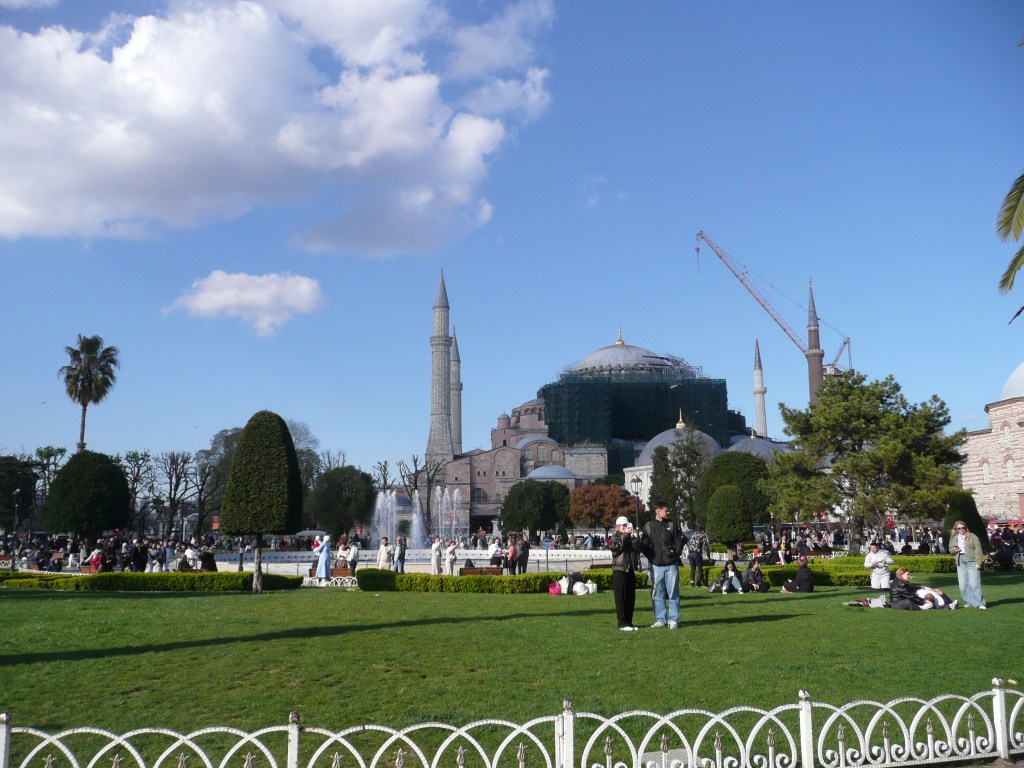
W historycznej dzielnicy Sultanahmet tłum jest jeszcze większy. Oba meczety są blisko siebie, ale okazuje się, że Hagia Sophia jest w remoncie, obstawiony rusztowaniami i niedostępny, więc niestety jeden mamy z głowy.
The crowd is even larger in the historic Sultanahmet district. The two mosques are close to each other, but it turns out the Hagia Sophia is undergoing renovations—surrounded by scaffolding and inaccessible—so, unfortunately, we can cross that one off the list.
Istanbul, Hagia Sophia 2026
Niestety! Muszę iść siusiu, po prostu muszę! Umawiam się z Panem i Władcą przed wejściem do meczetu i biegnę w poszukiwaniu toalety. Pytam kilku kobiet o drogę, żadna nie zna angielskiego. W końcu jakiś młody chłopak wskazuje kierunek, więc pędzę tam, za meczet, daleko jak dla mnie, ale wreszcie docieram do wielkiego pawilonu, gdzie w kolejce czekają zastępy kobiet. Staję zaskoczona, bo w tym tłumie jestem jedyną bez hidżabu, więc uśmiecham się do nich, bo nie wiem jak mam się zachować. A one otaczają mnie i zagadują wesoło. Jedna z nich zna trochę angielski i pyta skąd jestem, inne chcą wiedzieć czy mam męża i ile mam dzieci (pytają tej, która zna angielski, a ona tłumaczy reszcie), czy mam ogród… Ja pytam o to, skąd przyjechały, czy mają duże rodziny i o wszystko, co mi przychodzi naprędce do głowy, mówię im że tureckie kobiety są bardzo piękne, odpowiadają mi okrzyki radości. Moja tłumaczka pyta, czy jej angielski jest dobry, chwalę ją bardzo. Pokazują mi ostatnie drzwi w długim korytarzu, gdzie jest „normalna” toaleta, pozwalając mi wejść poza kolejką. Potem dziękuję im bardzo i ściskam dziewczynę, która tłumaczyła. I teraz strasznie mi przykro, że nie zapamiętałam jej imienia.
Oh dear! I need to pee—I simply have to! I arrange to meet my Lord and Master outside the mosque entrance and run off in search of a restroom. I ask a few women for directions, but none of them speak English. Finally, a young boy points the way, so I rush over—past the mosque, quite a distance for me—until I reach a large pavilion where throngs of women are waiting in line. I stop, taken aback, realizing I am the only one in the crowd without a hijab; unsure of how to act, I simply smile at them. They crowd around me, chatting cheerfully. One of them speaks a little English and asks where I’m from; others want to know if I have a husband and how many children I have (they ask the English speaker, who translates for the rest), or if I have a garden… I ask where they’ve come from, if they have large families, and anything else that pops into my head; I tell them Turkish women are beautiful, and they respond with joyful cheers. My translator asks if her English is good, and I praise her highly. They point out the last door in the long corridor—where there is a „normal” toilet—and let me skip the line. Afterward, I thank them profusely and give the woman who translated, a hug. Now, I feel terrible that I didn’t remember her name.
Odnajduję Pana i Władcę w tłumie przypadkiem – wcale nie czekał w umówionym miejscu. Słuchając śpiewu muezina idziemy na dziedziniec świątyni, gdzie niekończące się geometryczne wzory przypominają o wieczności, a kaligraficzne ornamenty zmieniają słowa w żywą sztukę, a mihrab wskazuje kierunek modlitwy…
I find the Lord and Master in the crowd by chance—he was not waiting at the agreed-upon spot at all. Listening to the muezzin’s chant, we walk into the temple courtyard, where endless geometric patterns evoke eternity, calligraphic ornaments transform words into living art, and the mihrab points the direction of prayer…
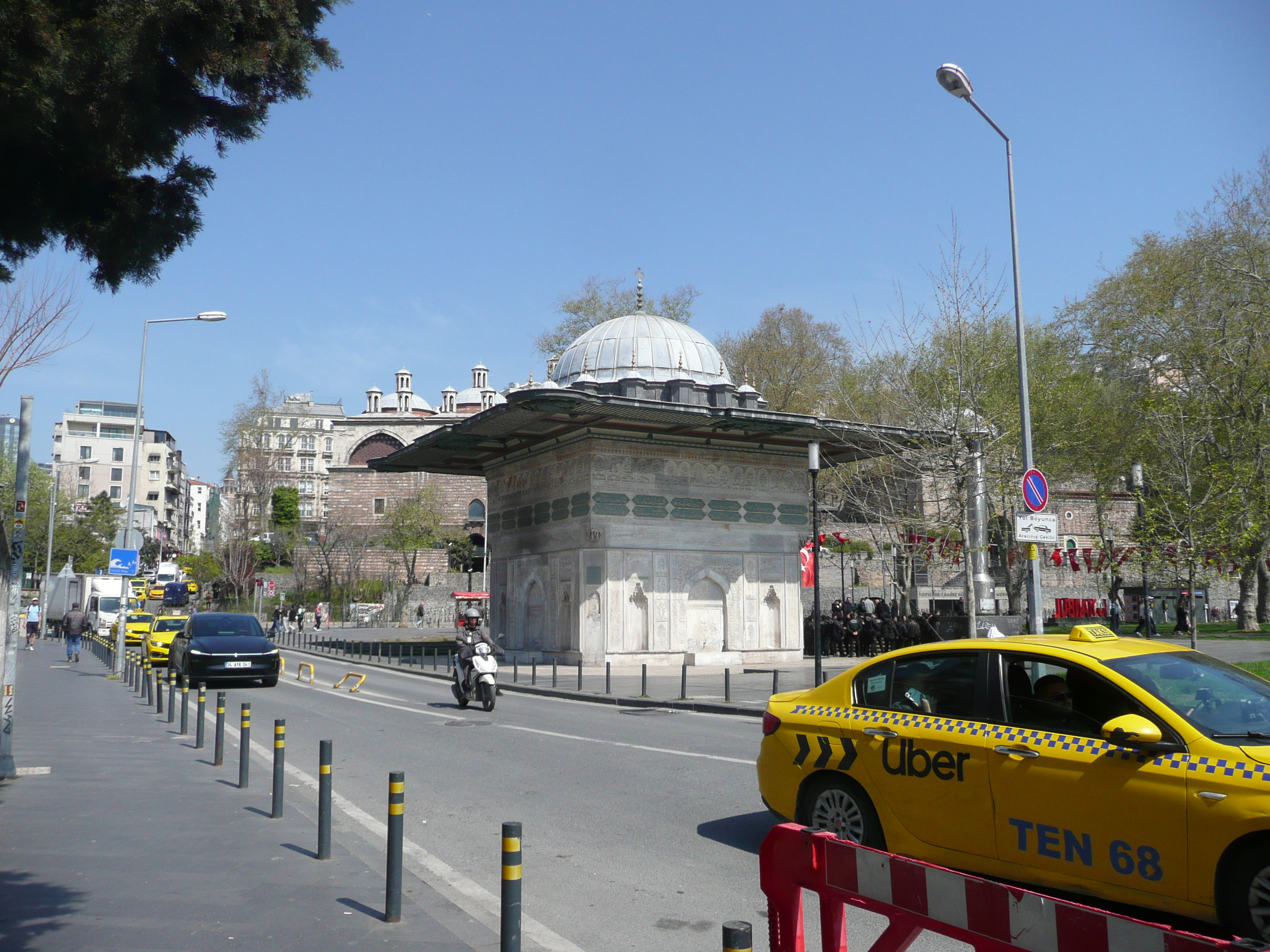
Stolica kolejnego, wielkiego imperium! Nie mogłam się doczekać! Byłam w tym mieście ponad czterdzieści lat temu, ale teraz jest nie do poznania – drapacze chmur, nowe mosty, system transportu podziemnego, modne kawiarnie, galerie sztuki i butiki w dawniej zaniedbanych dzielnicach i wielki rozrost miasta. Kiedyś mieszkało tu pięć milionów ludzi, dziś ponad szesnaście, choć niektórzy mówią, że dwadzieścia… Pięknie…
The capital of yet another great empire! I couldn’t wait! I had visited this city over forty years ago, but it is unrecognizable now — skyscrapers, new bridges, an underground transport system, trendy cafés, art galleries and boutiques in formerly neglected neighborhoods, and massive urban expansion. Five million people used to live here; today, it’s over sixteen million—though some say twenty… Beautiful…
Istanbul 2026
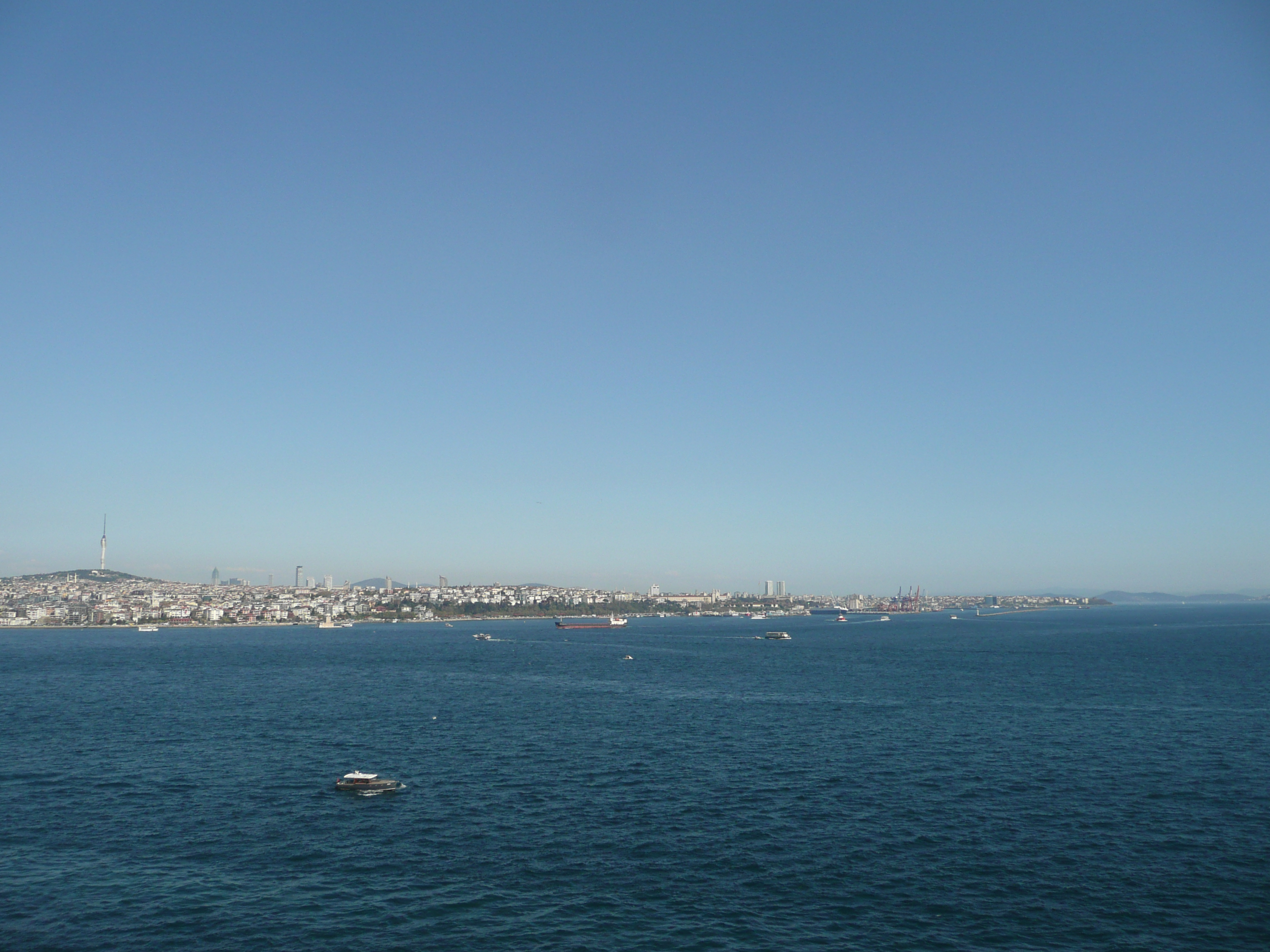
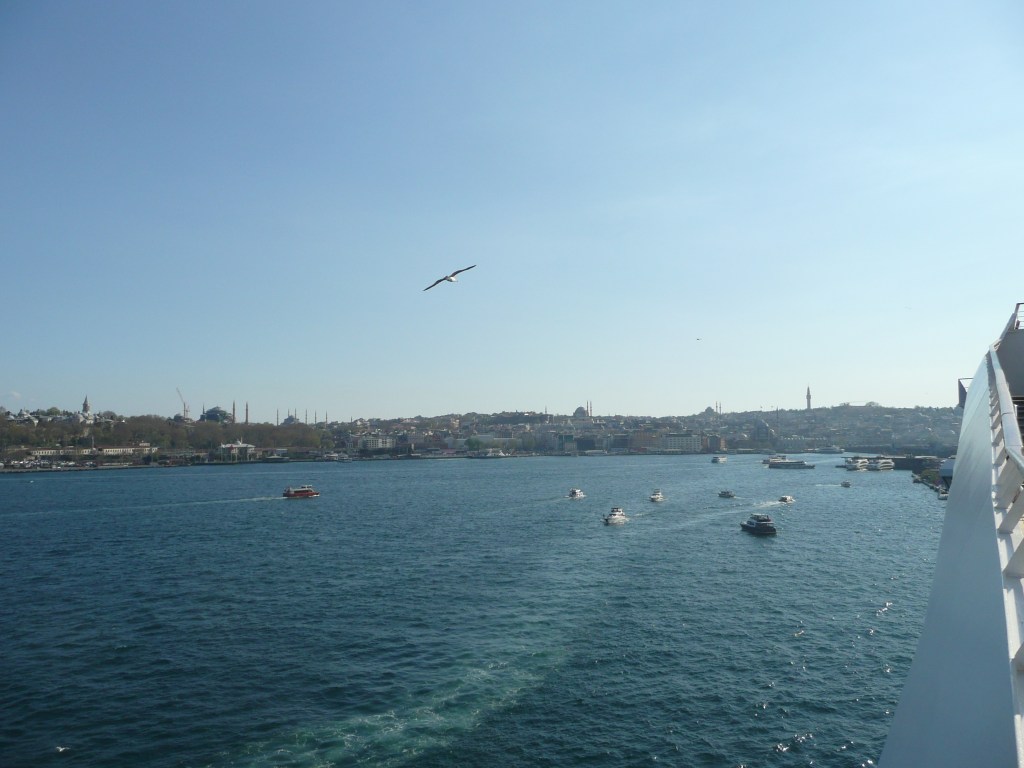
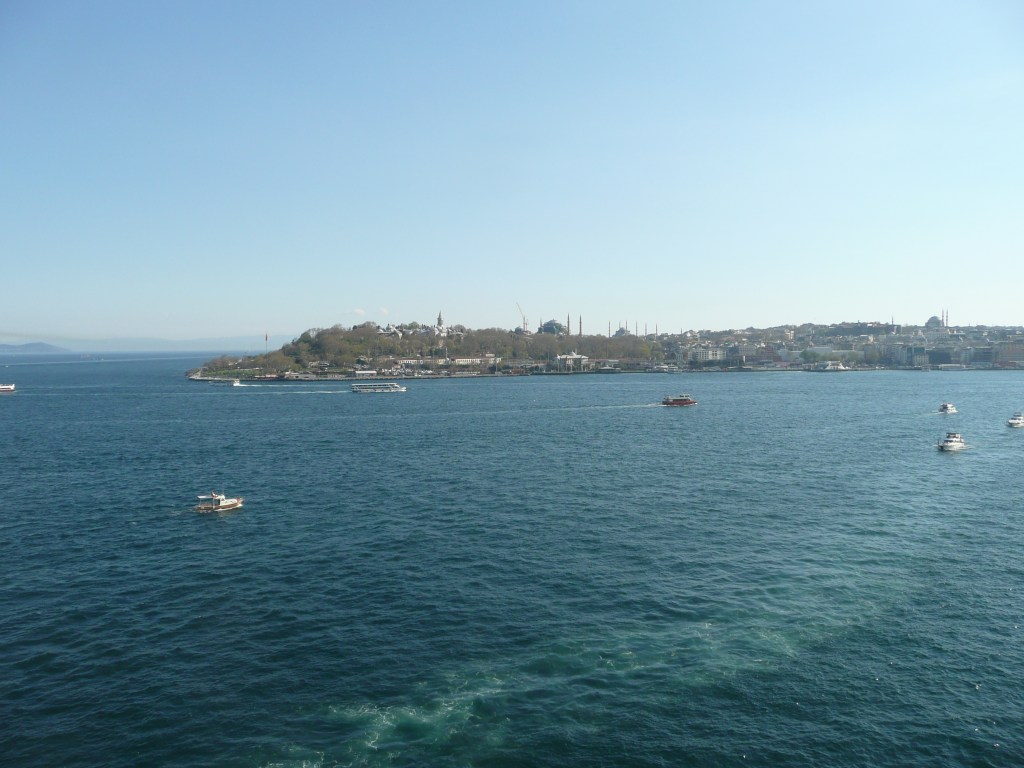
Zacumowaliśmy przy obrzydliwie nowoczesnym, ogromnym Galataport, skąd roztacza się widok na niemożliwie zatłoczony statkami i łodziami Bosfor, na niezliczone meczety, w tym górujący nad miastem nowy, ogromny Meczet Çamlıca, na parki, ogrody i pałace, na mosty pełne ludzi i pojazdów…
We docked at the hideously modern, massive Galataport, which offers a view of the Bosphorus—impossibly crowded with ships and boats—of countless mosques, including the vast new Çamlıca Mosque towering over the city, of parks, gardens, and palaces, and of bridges teeming with people and vehicles…
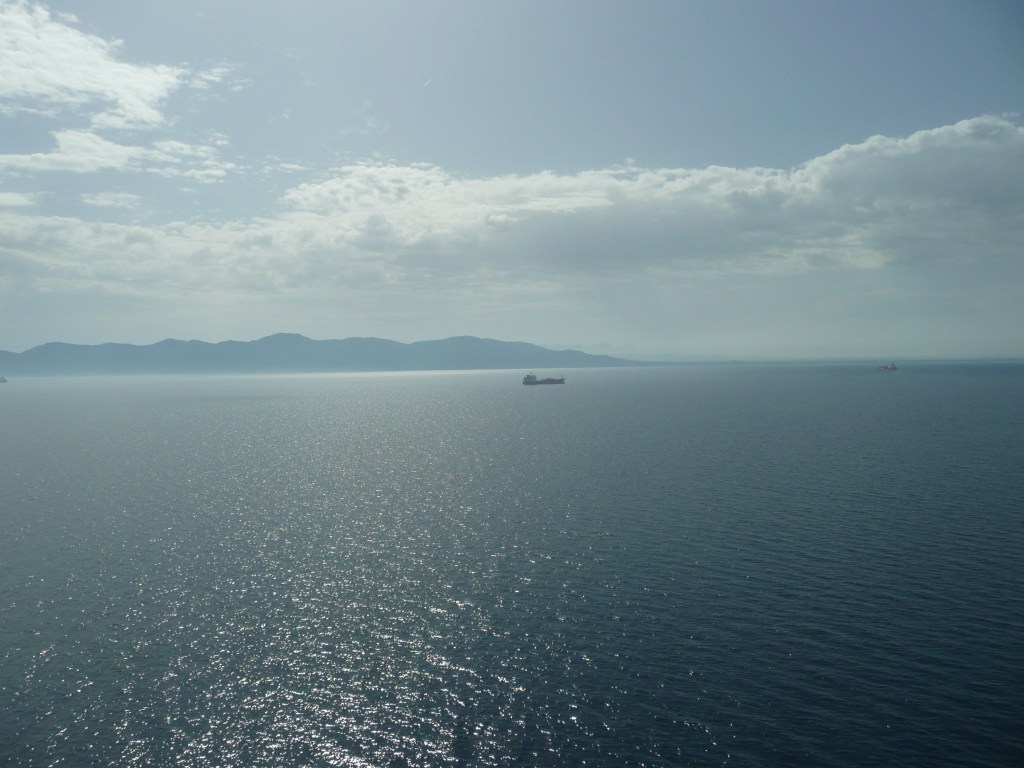
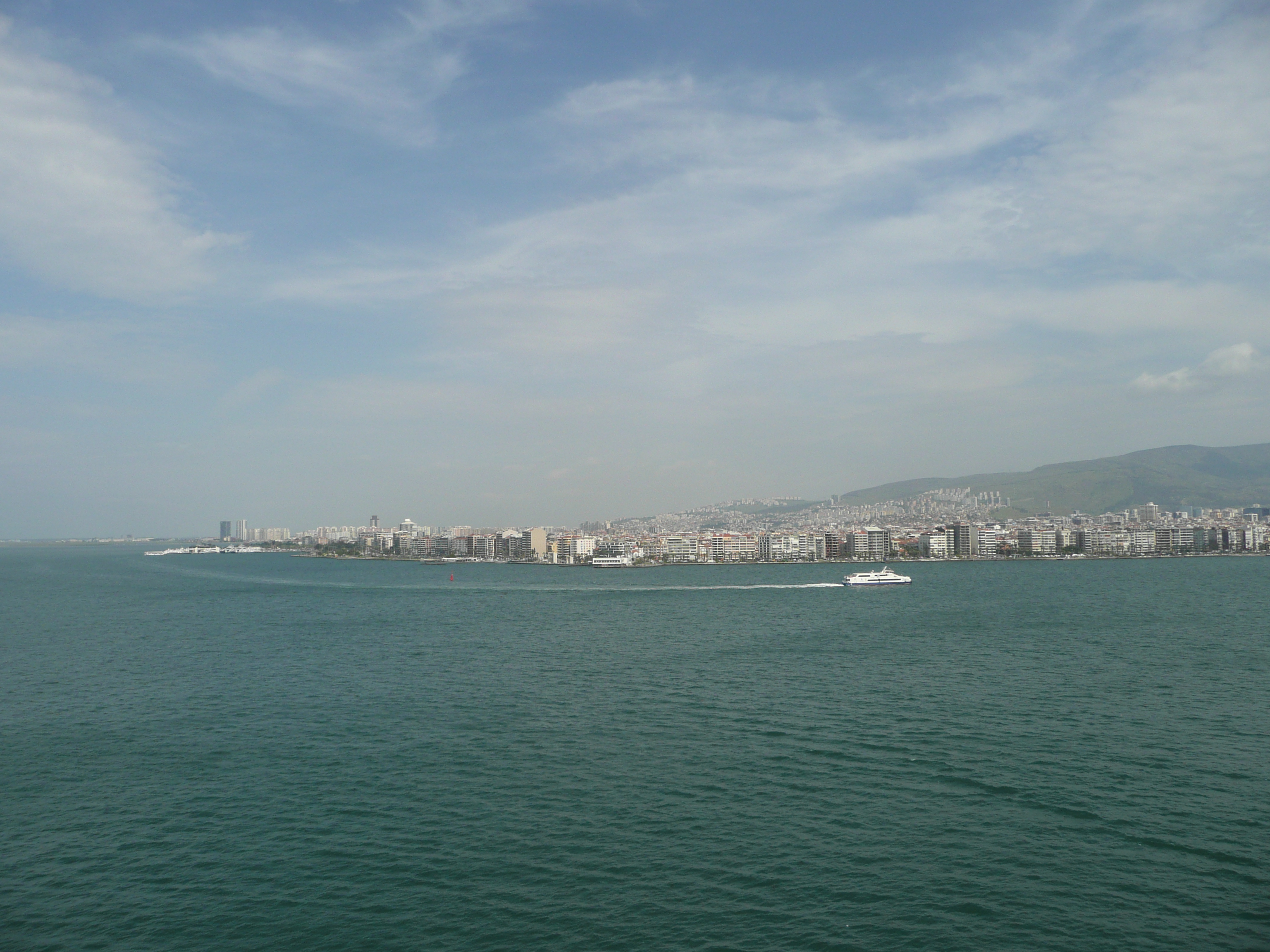
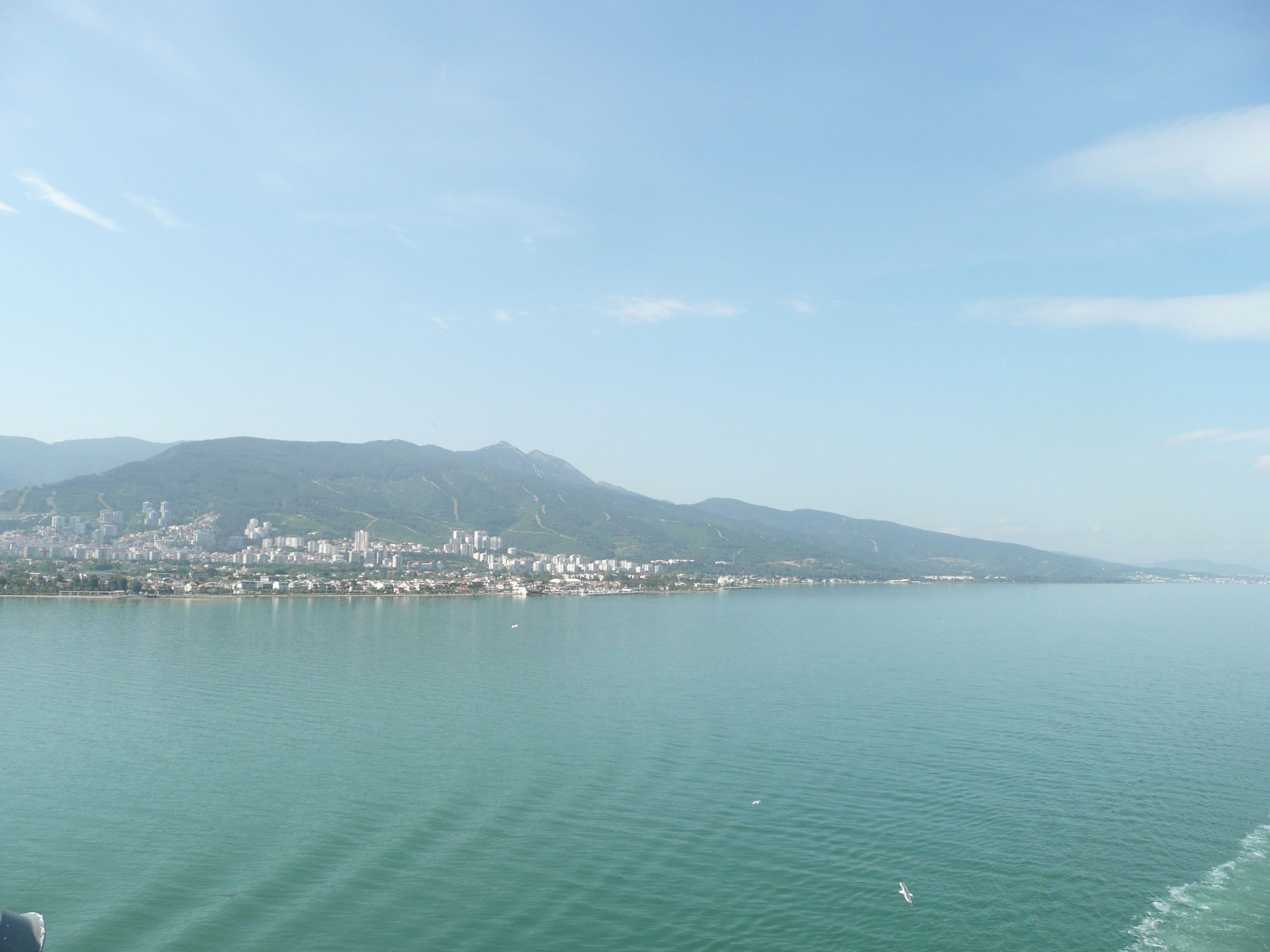
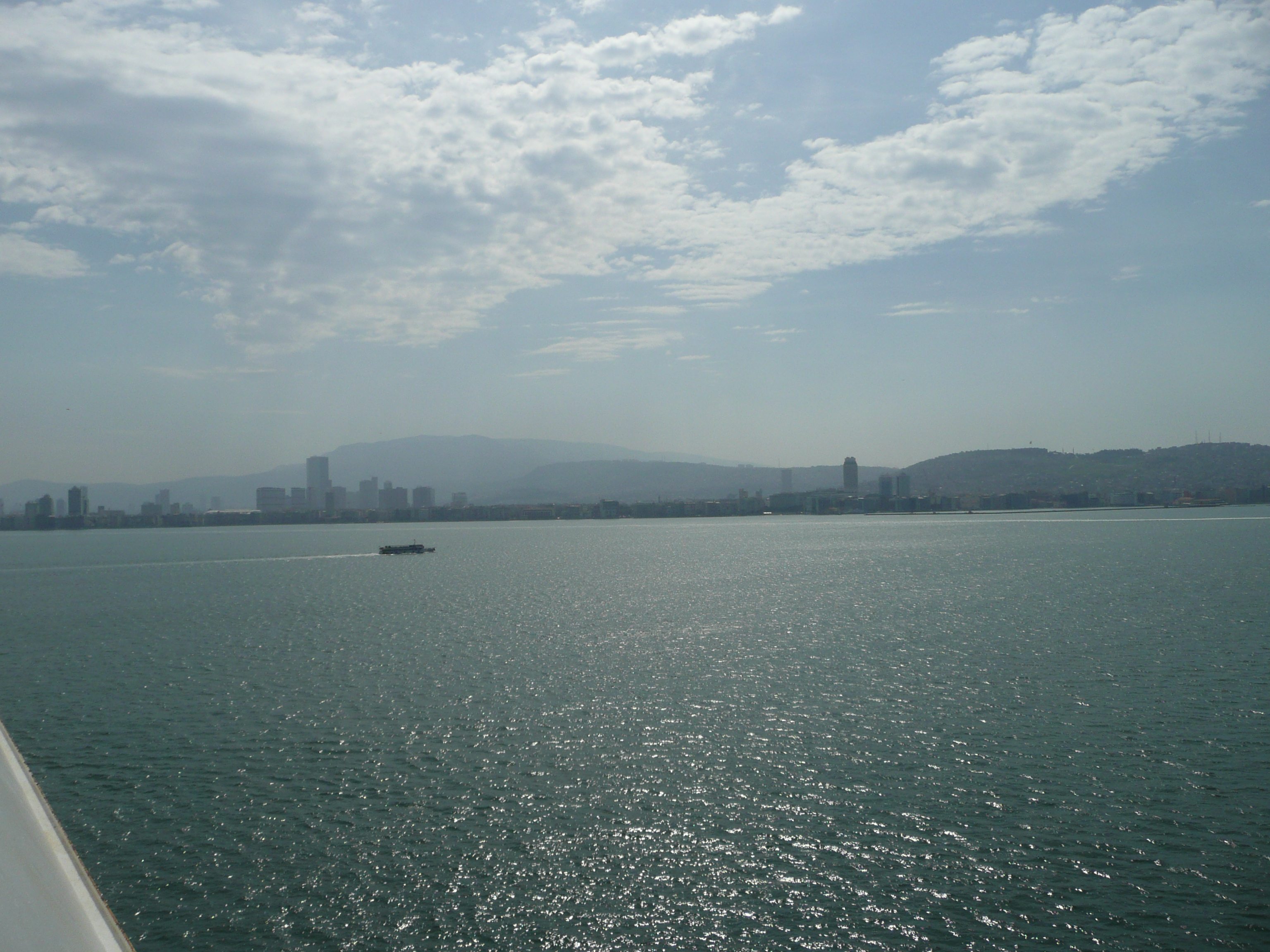
Po dwóch dniach podróży po płaskim jak stolnica Morzu Egejskim zobaczyliśmy wielkie miasto – Izmir.
After two days of traveling across the Aegean Sea—flat as a tabletop—we saw a great city: Izmir.
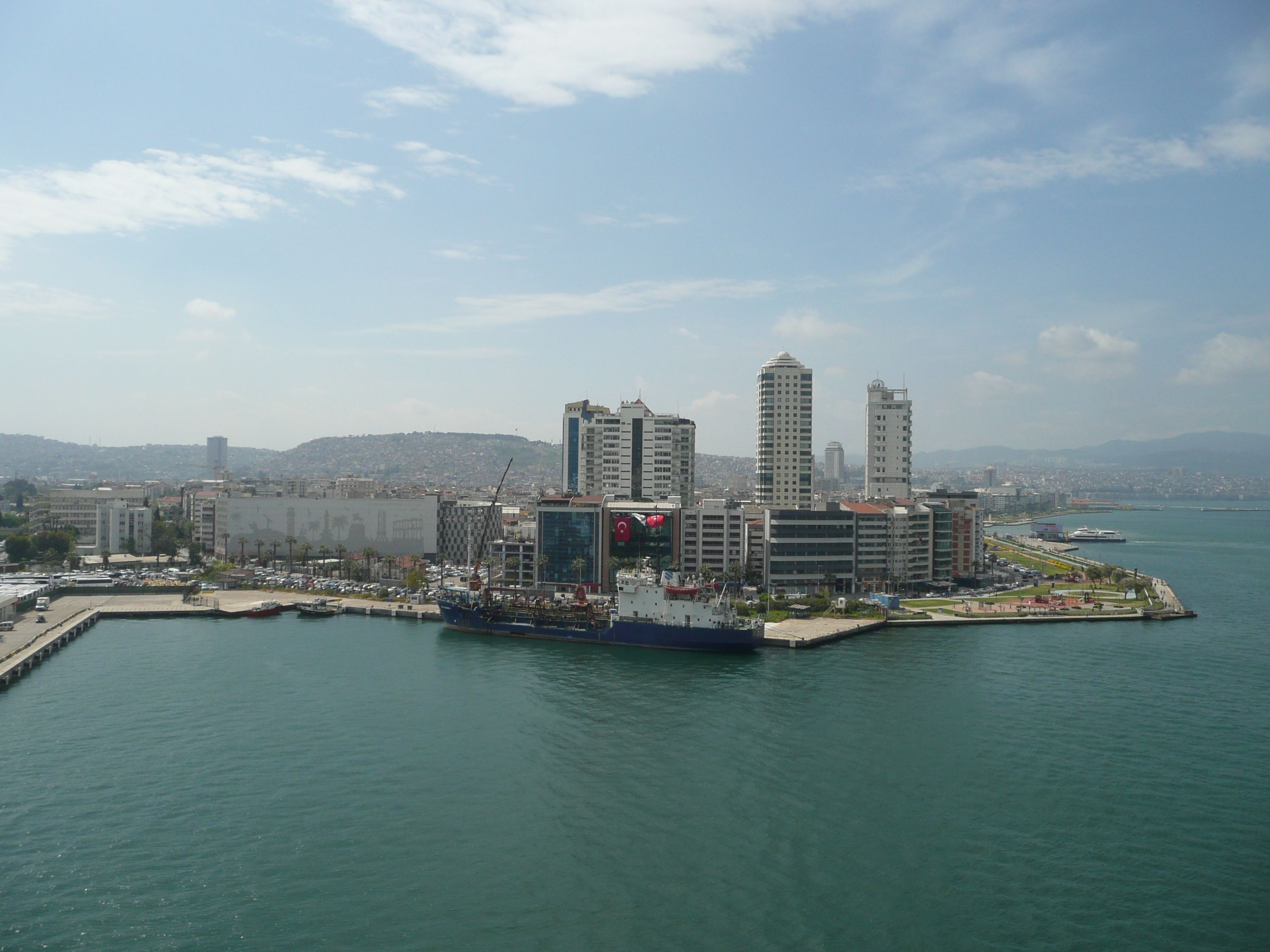
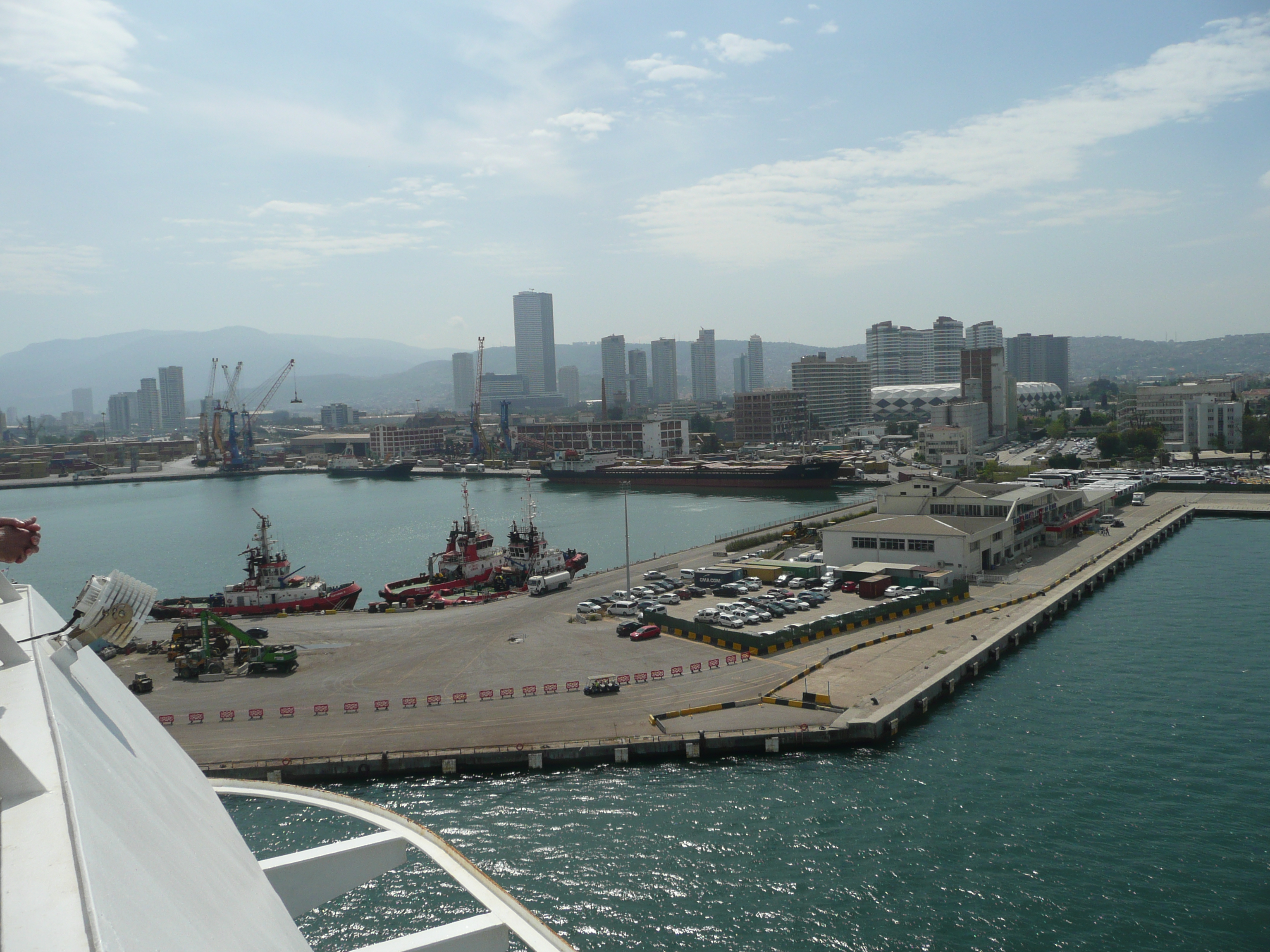
Izmir ze swoją ponad czteromilionową populacją i mimo historii liczącej ponad osiem tysięcy lat nie był dla nas zachęcającym miejscem, tym bardziej, że było gorąco. Postanowiliśmy odpuścić sobie wizytę w ruinach Efezu i (domniemanego) domu Dziewicy Maryji i połazić po dzielnicy portowej.
Izmir—with a population of over four million and a history spanning more than eight thousand years—did not strike us as a particularly inviting place, especially given the heat. We decided to skip a visit to the ruins of Ephesus and the (purported) House of the Virgin Mary, opting instead to wander around the port district.
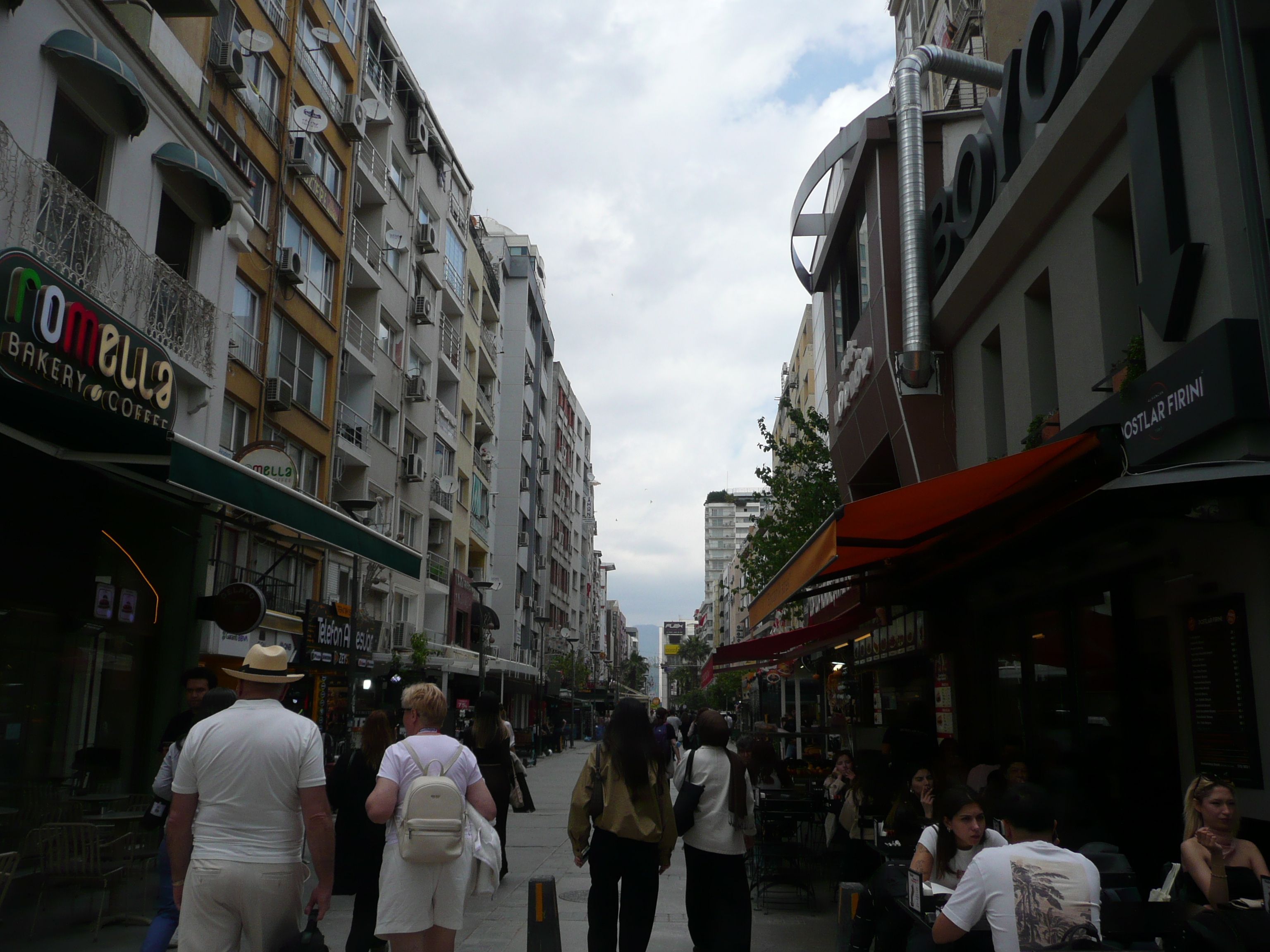
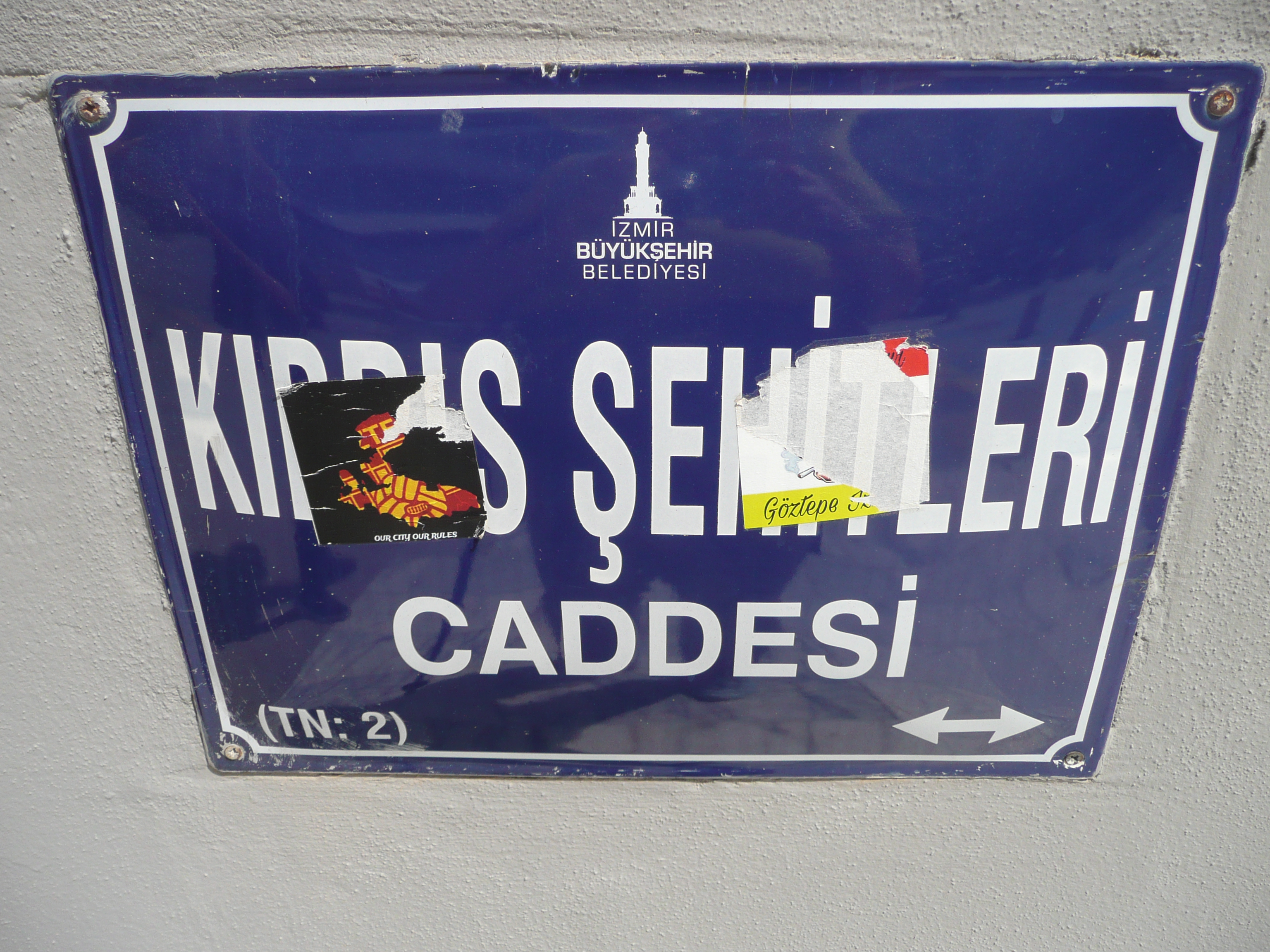
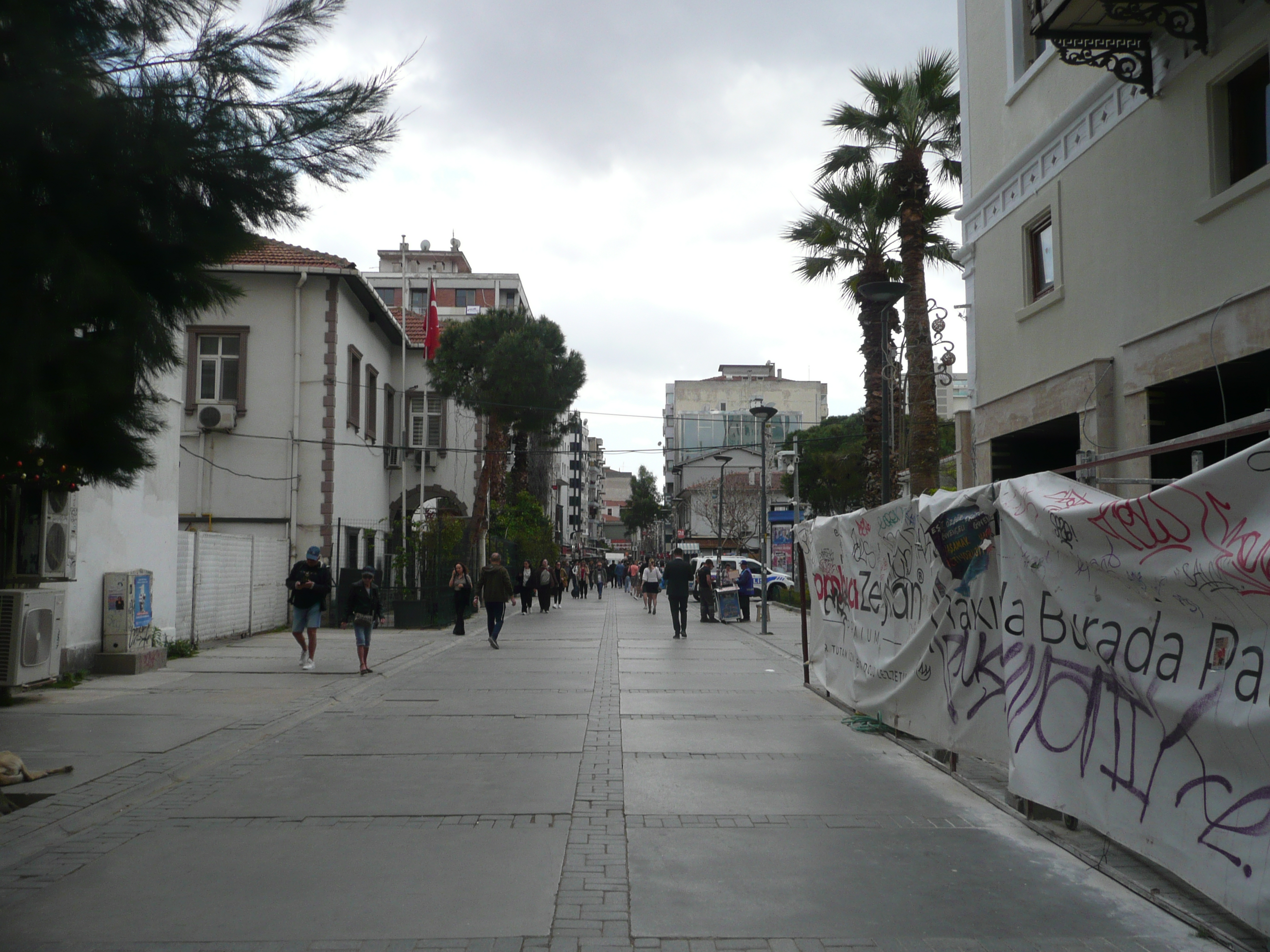
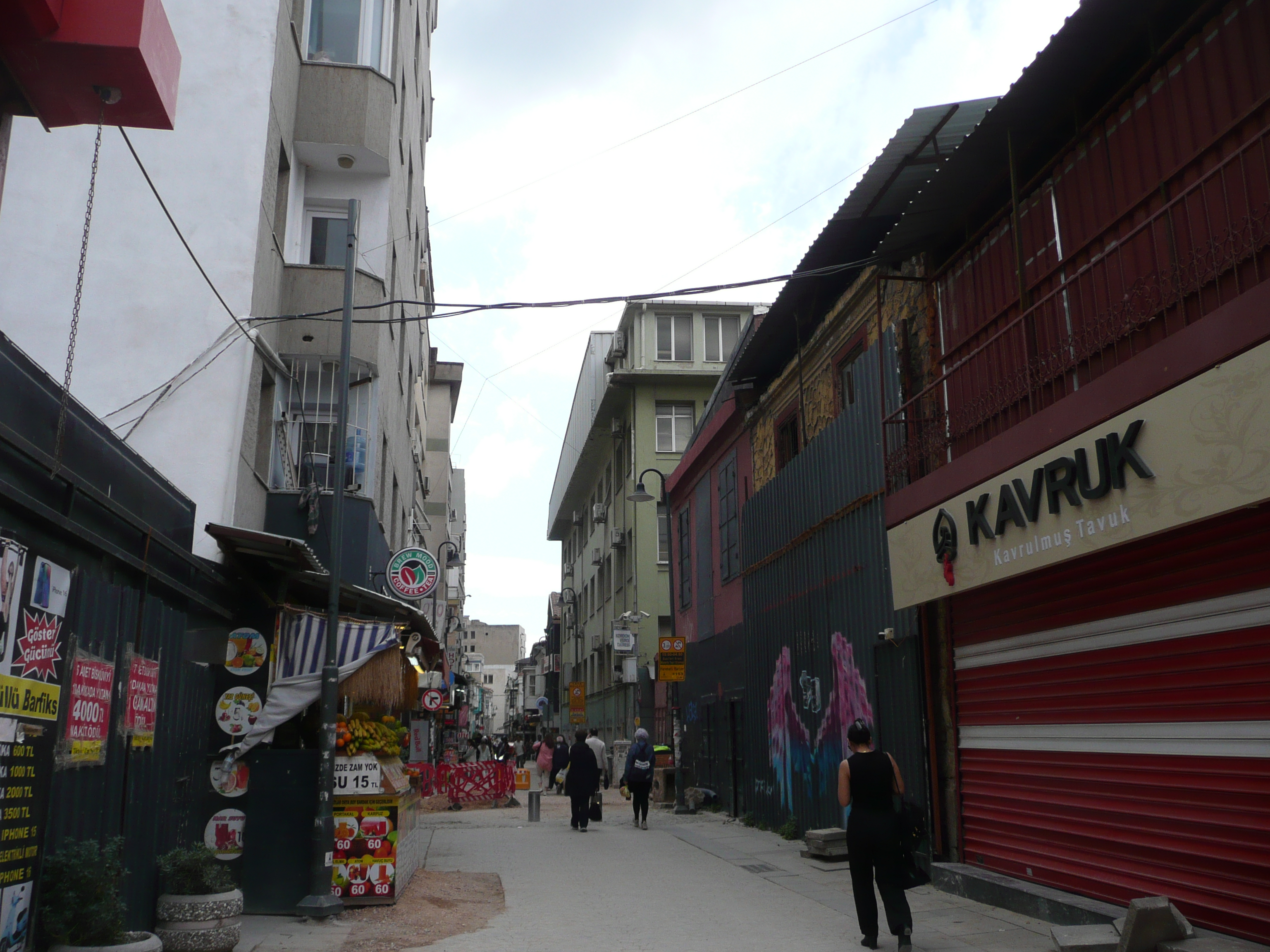
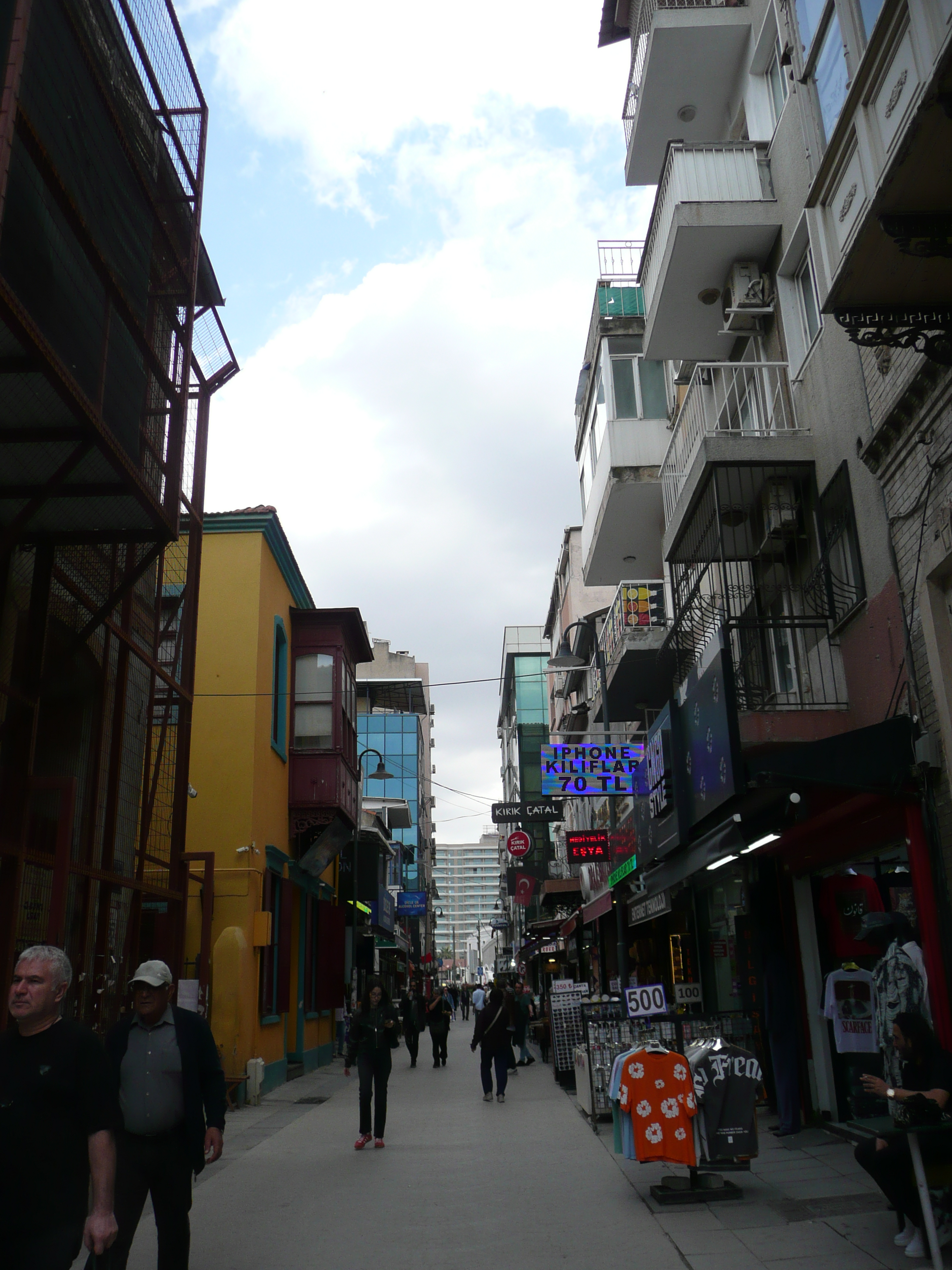
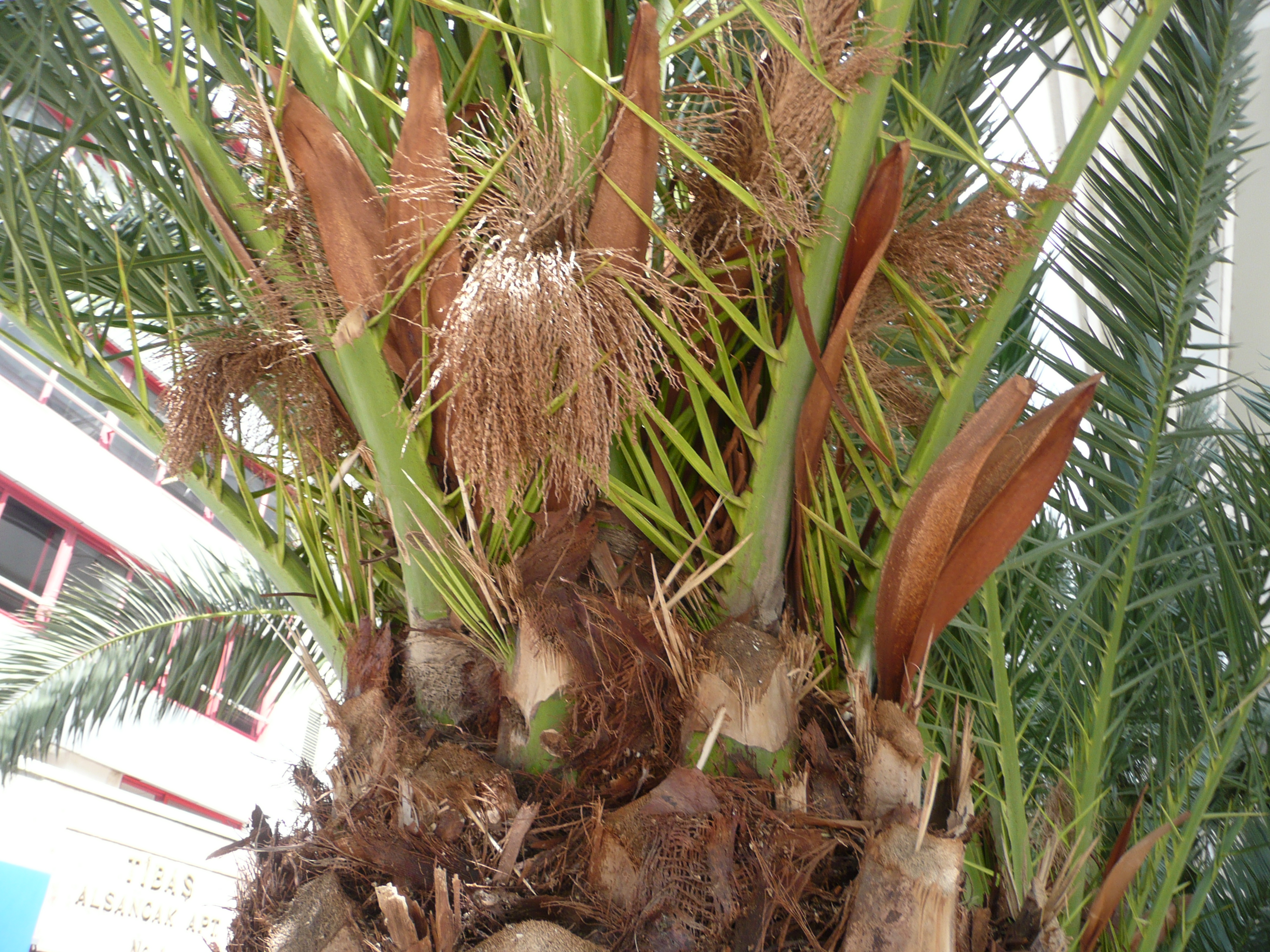
Izmir jest wielki, port w Izmirze jest wielki, dzielnica portowa, zwana Alsancak jest… rozkopana. Idziemy szeroką ulicą Kıbrıs Şehitleri Caddesi, omijając dziury w chodniku i spieszący się tłum. Po obu stronach są dziesiątki małych i większych restauracji, kawiarni i barów w których siedzą zadowoleni ludzie, zapach jedzenia i kawy zachęca do posiedzenia w którymś z tych miejsc. Uwielbiam klimat takich dzielnic – stare domy, grajkowie siedzący przy murach, egzotyczne zapachy i przyjaźni, zadowoleni ludzie.
Izmir is huge, its port is huge, and the port district—known as Alsancak—is… torn up by construction. We walk along a wide street Kıbrıs Şehitleri Caddesi, dodging potholes in the sidewalk and the rushing crowds. On both sides, there are dozens of restaurants, cafés, and bars—large and small—filled with happy people; the aroma of food and coffee invites you to sit down at one of them. I love the atmosphere of neighborhoods like this: old buildings, street musicians sitting by the walls, exotic scents, and friendly, contented people.
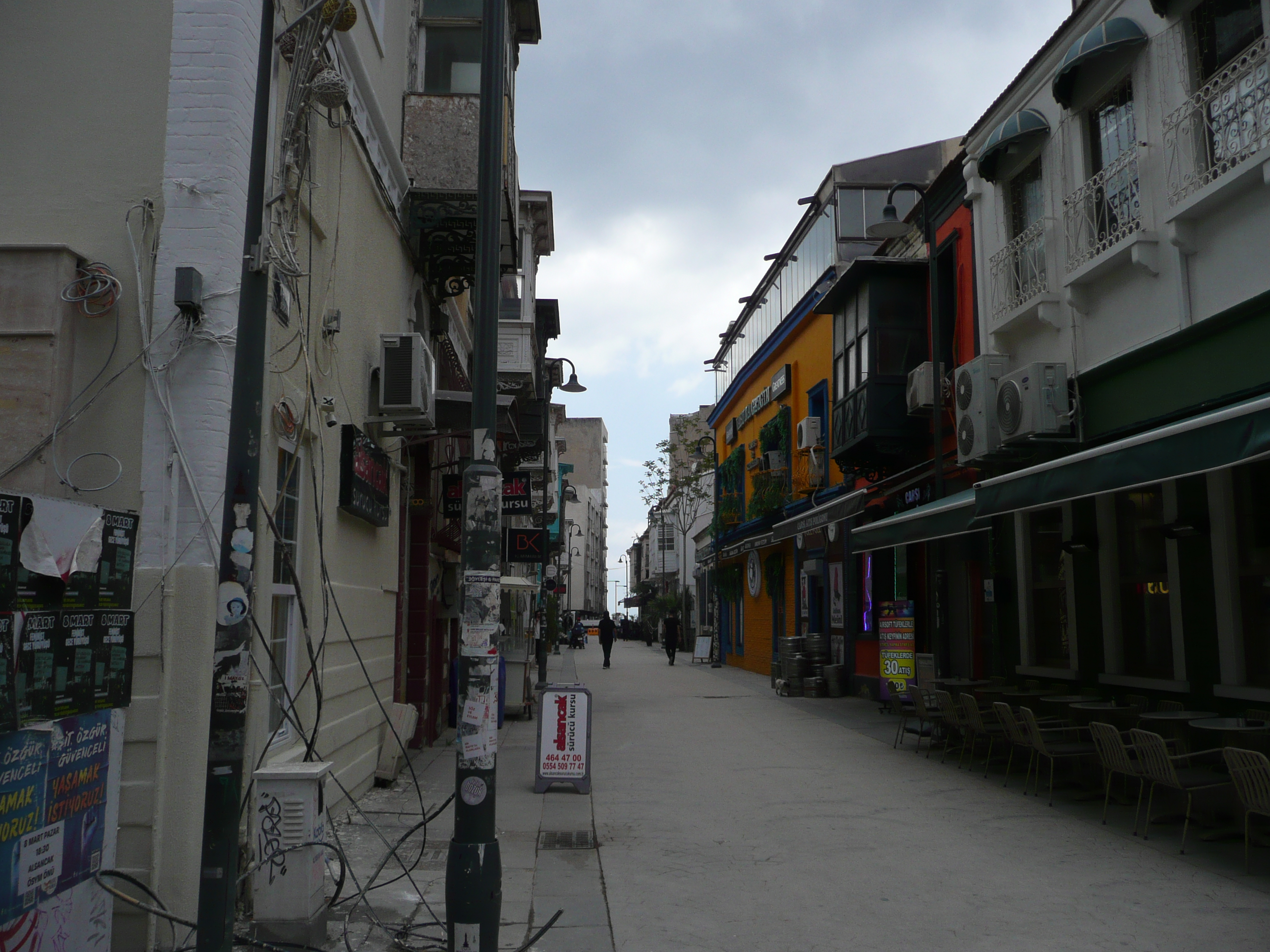
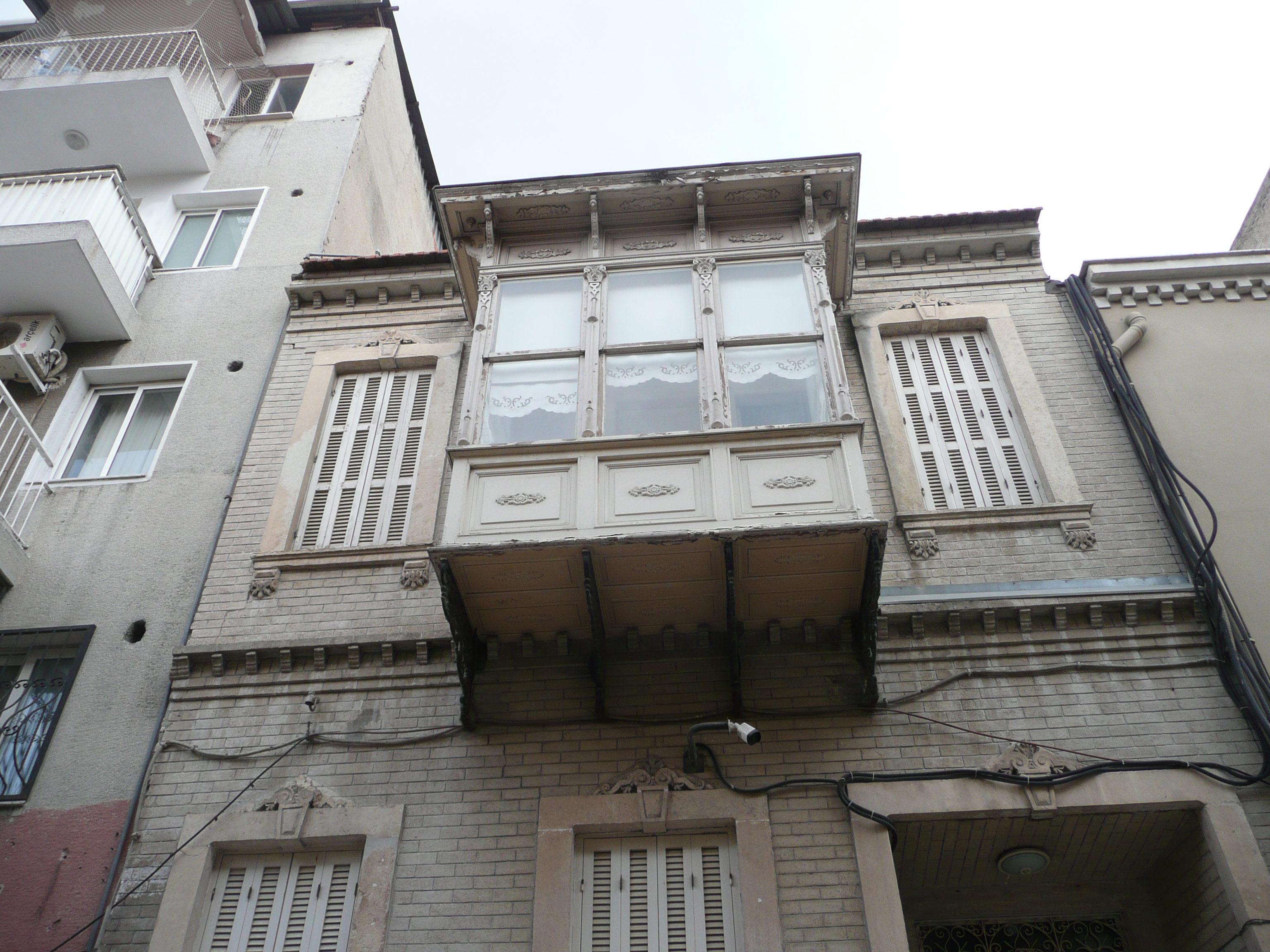
Potem skręcamy w jedną z wąskich uliczek, znęceni brakiem tłoku. To stara część dzielnicy, w czasach ottomańskich zwana „La Punta”, była siedzibą klasy średniej miasta. Żyli tu ludzie wielu kultur i religii – nie tylko muzułmanie, ale i żydzi, protestanci i katolicy, a wiele kościołów chrześcijańskich było wspieranych finansowo przez sułtana.
Then we turn into one of the narrow streets, drawn by the lack of crowds. This is the old part of the district—known in Ottoman times as „La Punta”—which was home to the city’s middle class. People of many cultures and religions lived here—not only Muslims but also Jews, Protestants, and Catholics—and many Christian churches received financial support from the Sultan.
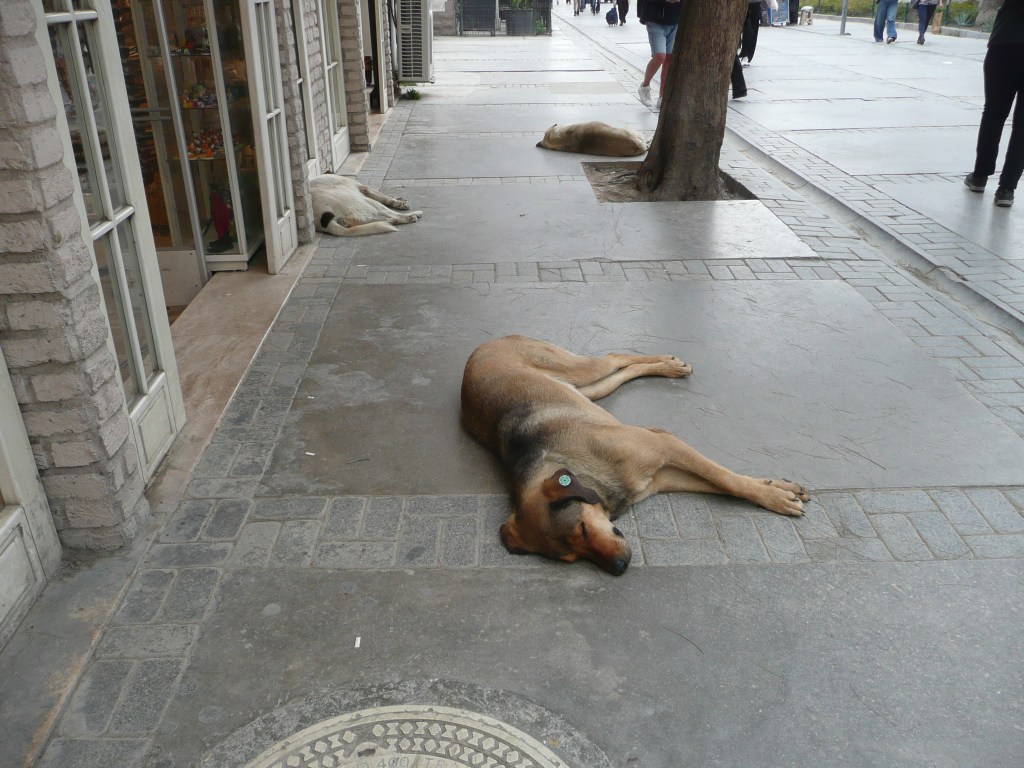
W mieście jest mnóstwo kotów i psów i mimo że są bezpańskie, są otoczone opieką mieszkanców. Wszędzie stoją miski z wodą i jedzeniem, zwierzęta są traktowane przyjaźnie i są stałym elementem lokalnego życia. i to mnie cieszy. Ale ponieważ w Turcji jest ponad cztery miliony bezpańskich psów, to w ostatnich latach tureckie władze przyjęły kontrowersyjne prawo zezwalające na usuwanie i eutanazję psów, jeżeli stanowią one zagrożenie lub gdy brakuje dla nich miejsc w schroniskach. Schroniska nie mają możliwości pomieścić milionów bezdomnych zwierząt. Wprowadzone przepisy stały się dla niektórych gmin pretekstem do masowych egzekucji zwierząt w brutalny sposób. Wiele osób z zagranicy adoptuje tureckie psy, ratując je przed strasznym losem. Ale tym trzem mam nadzieję nic nie grozi:
There are countless cats and dogs in the city, and although they are strays, they are cared for by the residents. Bowls of food and water are found everywhere; the animals are treated kindly and are a fixture of local life—something that makes me happy. However, given that there are over four million stray dogs in Turkey, the authorities have recently adopted a controversial law allowing for the removal and euthanasia of dogs if they pose a threat or if there is no room for them in shelters. Shelters simply lack the capacity to house millions of homeless animals. For some municipalities, these regulations have become a pretext for the mass, brutal slaughter of animals. Many people from abroad adopt Turkish dogs, saving them from a terrible fate. But I hope these three are in no danger:
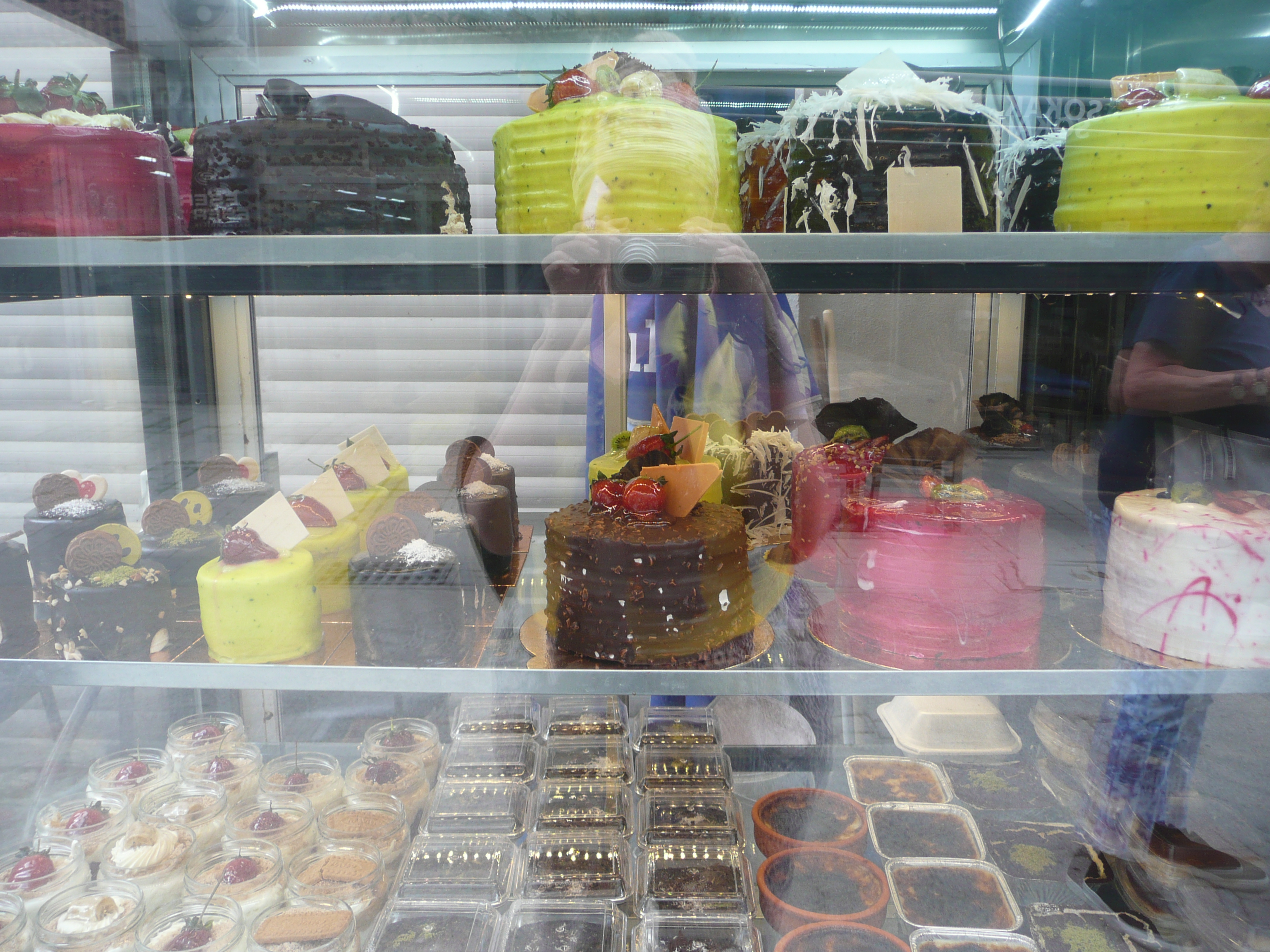
W końcu tracycyjnie idziemy na kawę, tym razem po turecku. Jest pyszna, zwłaszcza w towarzystwie tureckich łakoci.
Finally, we go for coffee as usual—Turkish-style this time. It is delicious, especially accompanied by Turkish sweets.
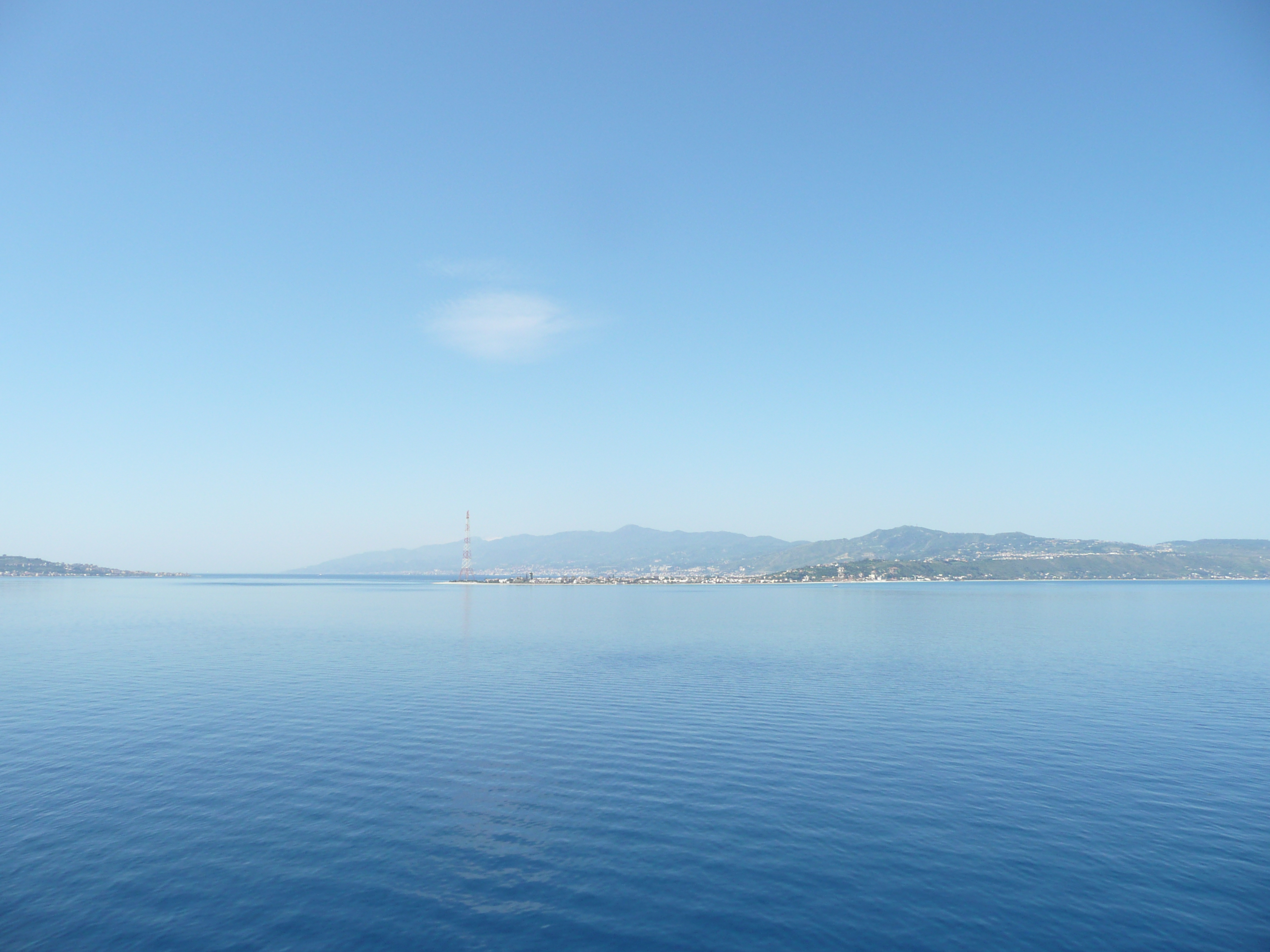
Nareszcie jakieś miasto na miarę moich możliwości! Jest wprawdzie dość duże, ale to, co mnie interesuje, możemy osiągnąć idąc wolnym krokiem, omijając starannie słoneczne strony ulic. Messina jest normalnym miastem nad Morzem Śródziemnym – założona w ósmym wieku przed naszą erą, przez kolejne stulecia przechodziła z rąk Greków pod panowanie Kartagińczyków, którzy zniszczyli miasto, potem Mamertynów, potem Rzymian, potem Bizancjum, potem Arabów… W 1346 roku jeden ze statków przywiózł do miasta dżumę, która rozprzestrzeniła się ma całą Europę. Ale to nie koniec dziejów tego szczęśliwego miasta – w 1908 roku trzęsienie ziemi zrównało miasto z ziemią a połowa mieszkańców zginęła (75 tysięcy osób). Myślicie, że to koniec? Nie. Messyna leży nad cieśniną messyńską – bardzo ważną drogą morską, oddzielającą Sycylię od Półwyspu Apenińskiego. Więc w czasie Operacji Husky Alianci zbombardowali Messinę, znów zrównując ją z ziemią…
Finally, a city on a scale I can handle!It is, admittedly, quite large; however, what interests me can be reached by walking at a leisurely pace, carefully avoiding the sunny sides of the streets. Messina is a typical Mediterranean coastal city; established in the 8th century BC, it spent the ensuing centuries changing hands—passing from the Greeks to the Carthaginians (who destroyed the city), then to the Mamertines, the Romans, the Byzantines, and finally the Arabs… In 1346, a ship brought the plague to the city—a disease that would subsequently spread across all of Europe. But that was not the end of this city’s turbulent history; in 1908, an earthquake leveled the city to the ground, claiming the lives of half its inhabitants (75,000 people). Think that was the end? Not quite. Messina sits on the Strait of Messina—a vital maritime thoroughfare separating Sicily from the Italian Peninsula. Consequently, during Operation Husky, the Allies bombed Messina, once again leveling it to the ground…
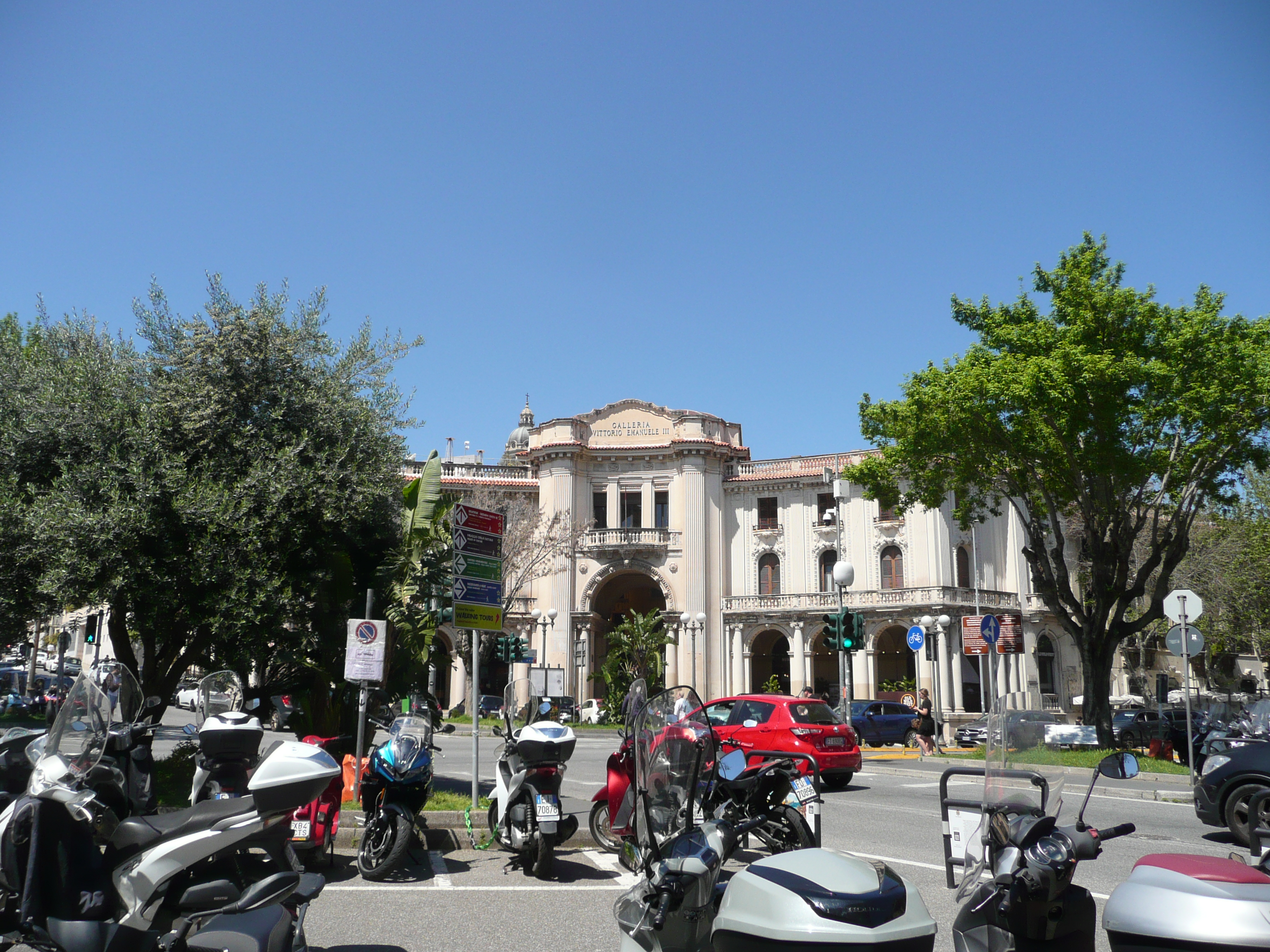
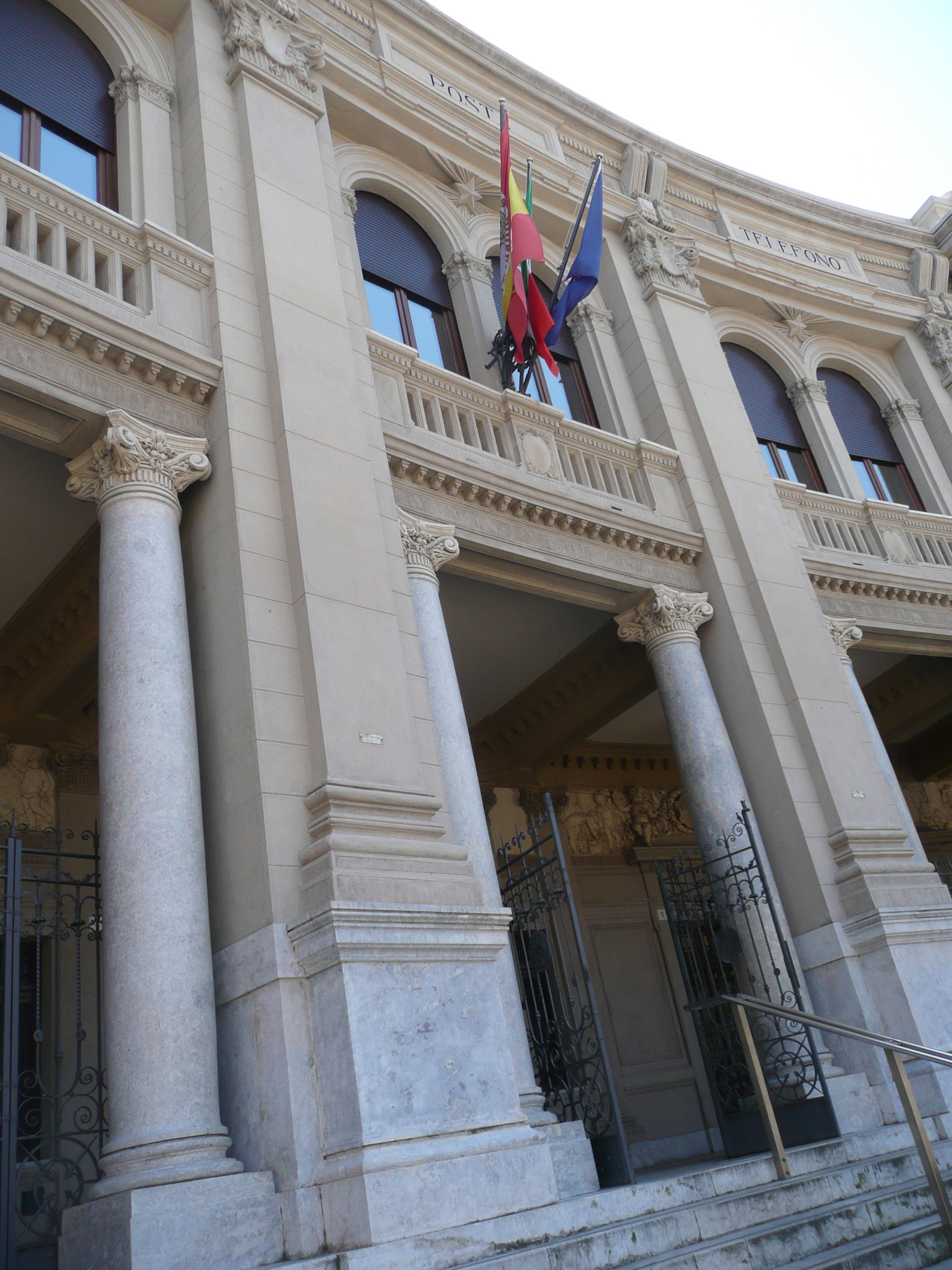
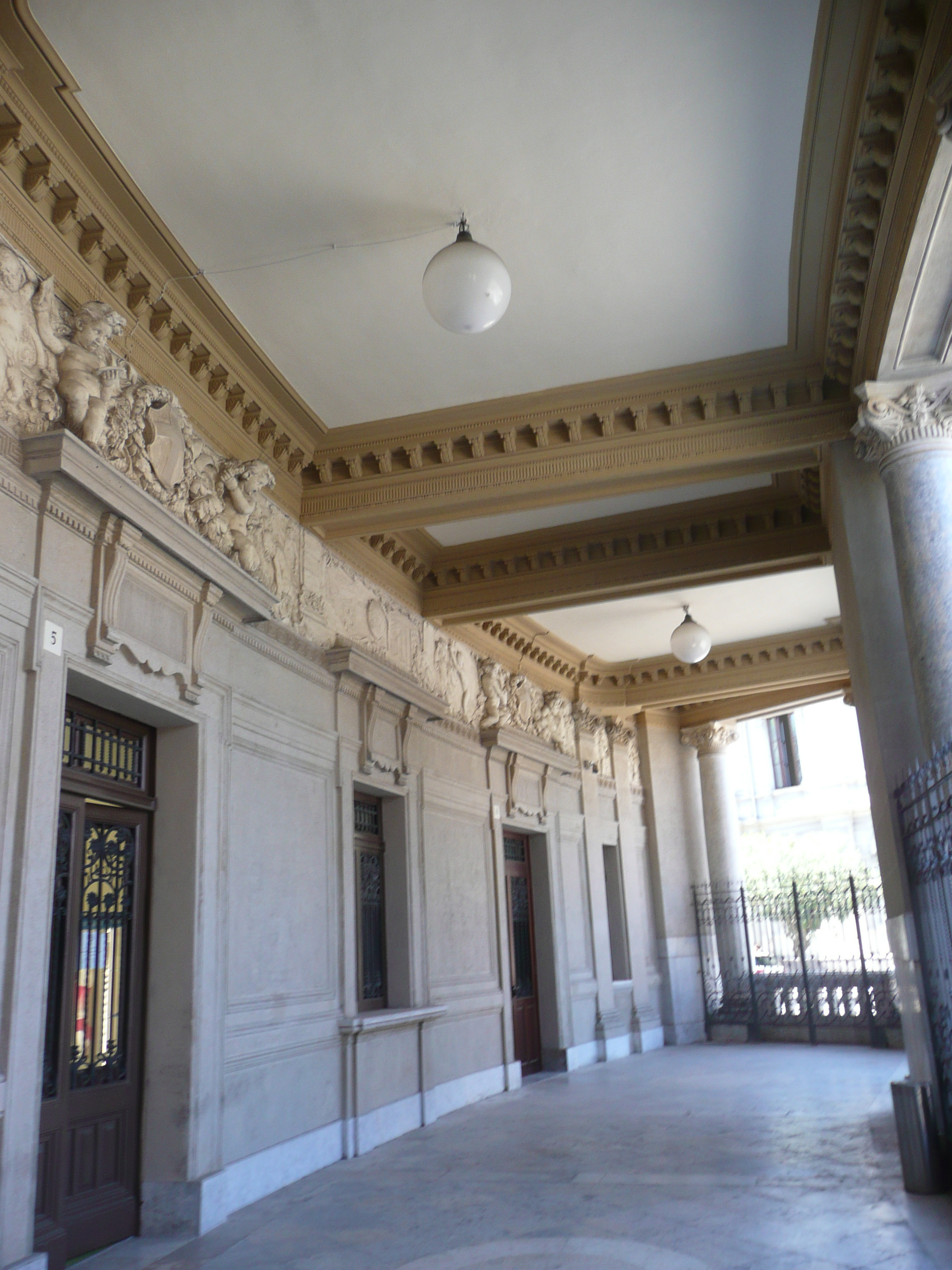
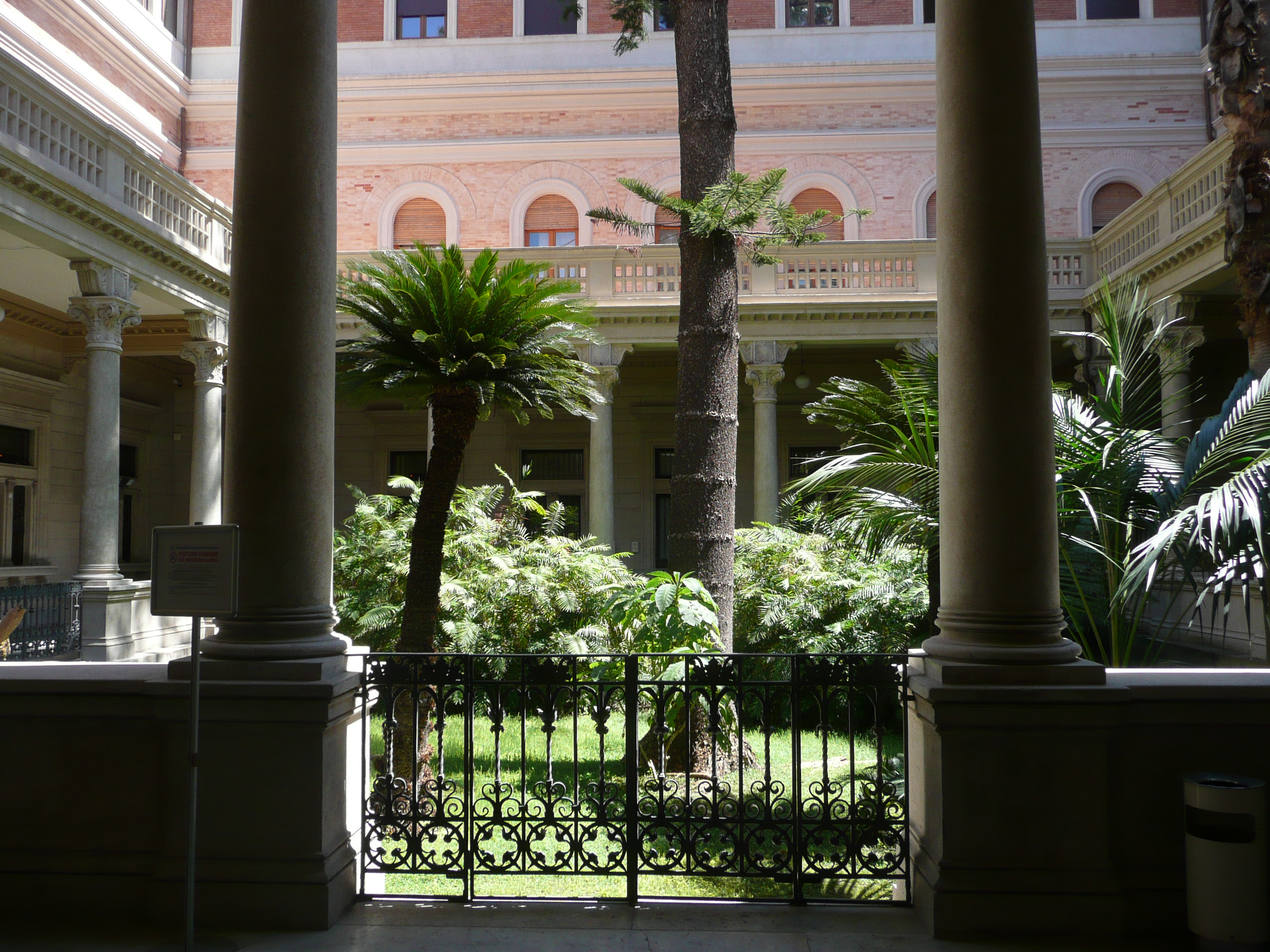
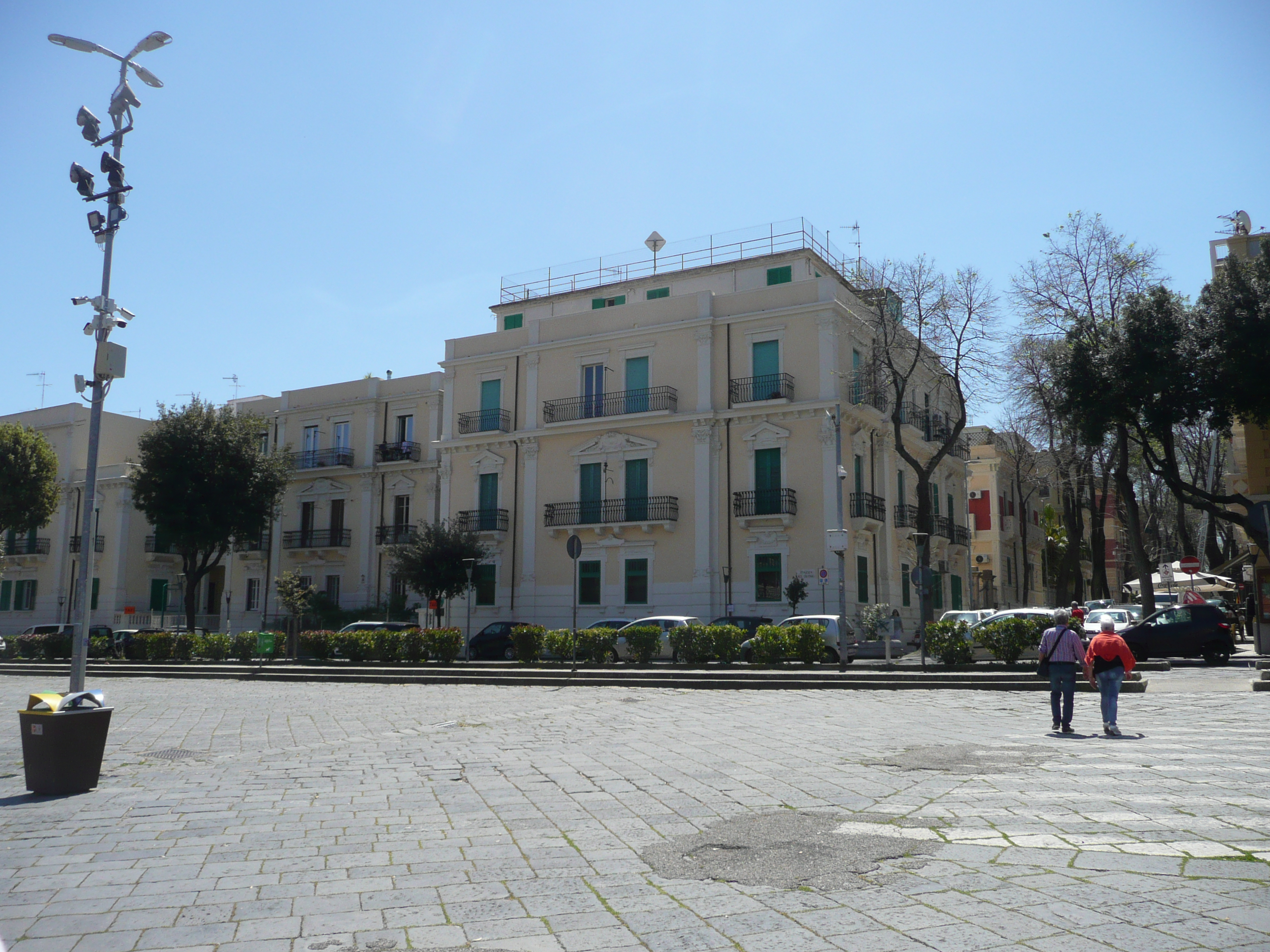
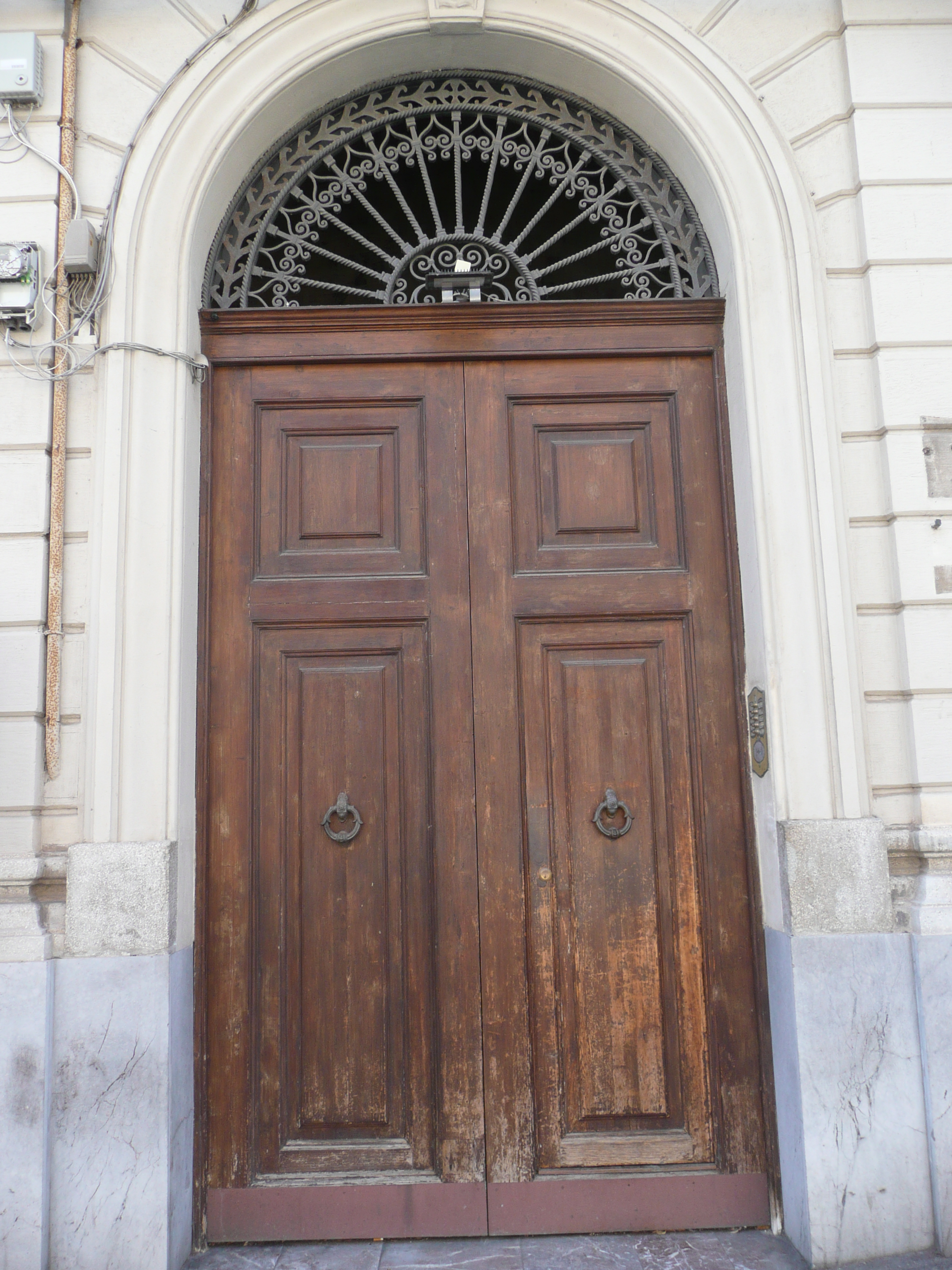
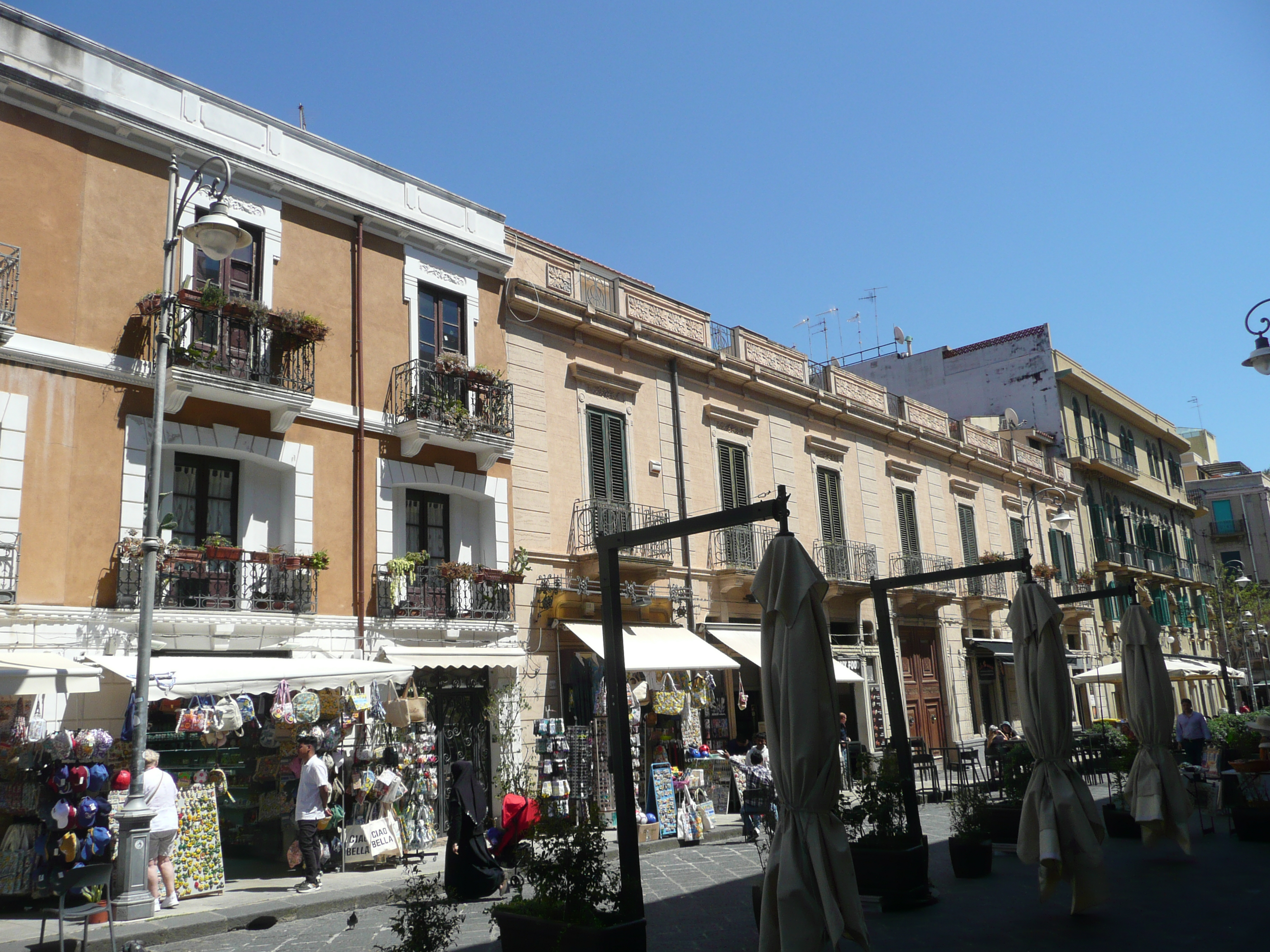
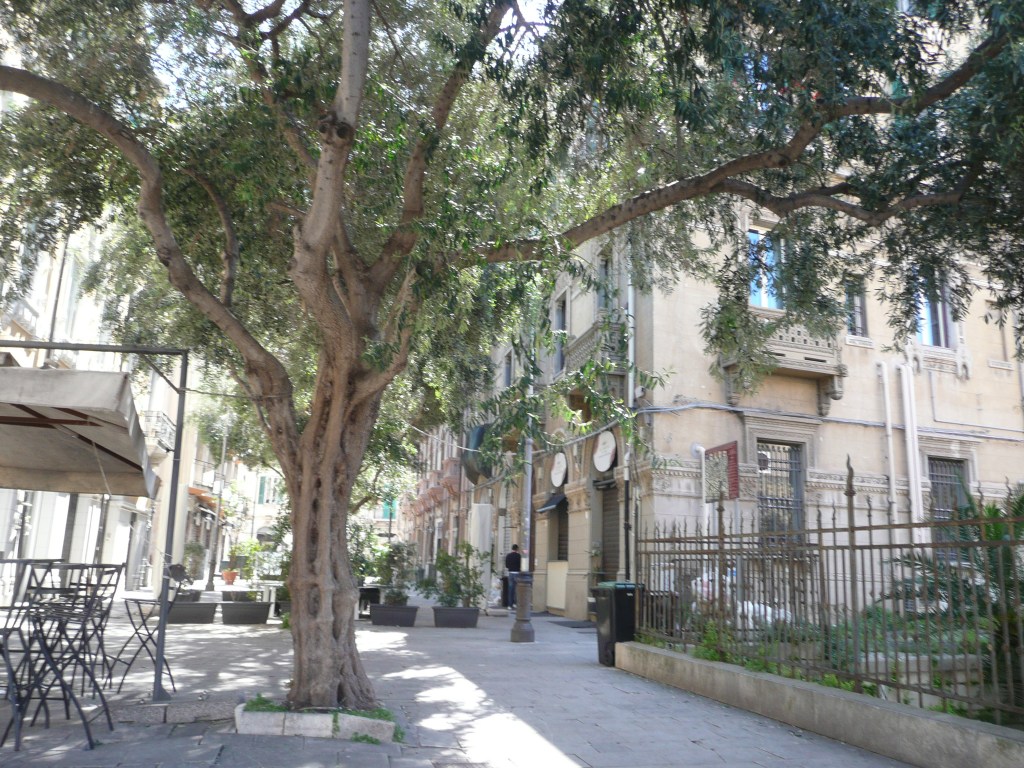
Idziemy szerokimi ulicami, przy niektórych rosną drzewa pomarańczowe obsypane owocami, stoją krany, z których można pić wodę, z niektórych sklepów dobiegają dźwięki moich ulubionych włoskich piosenek… Zaglądam do budynku poczty, ciekawa jak wygląda ta sycilijska. Wyglada… zaskakująco i wspaniale:
We walk along wide streets—some lined with orange trees laden with fruit—past drinking fountains where we can quench our thirst, while from some of the shops drift the sounds of my favorite Italian songs… I peek inside the post office building, curious to see what a Sicilian one looks like. It looks… surprisingly and wonderfully:
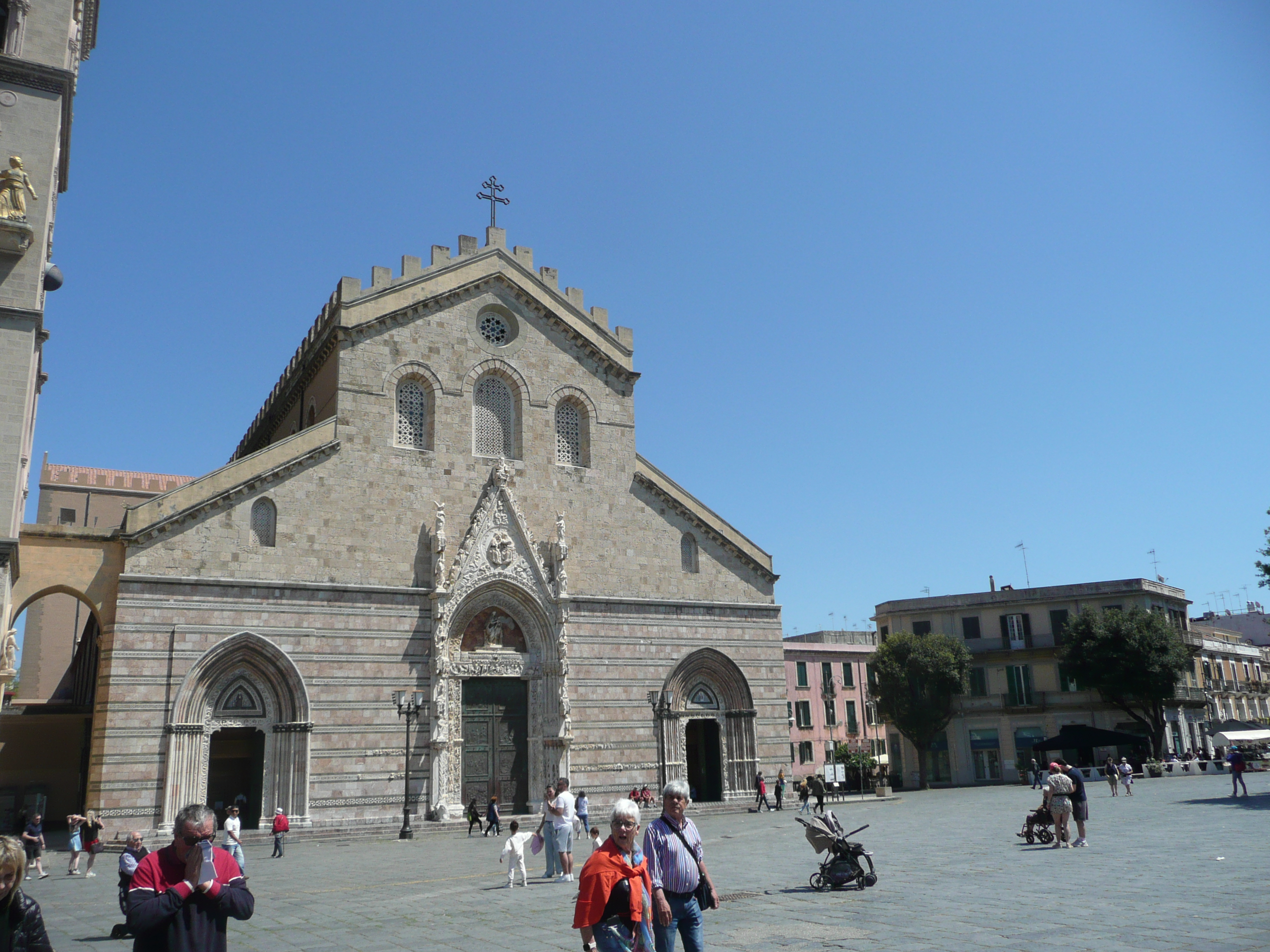
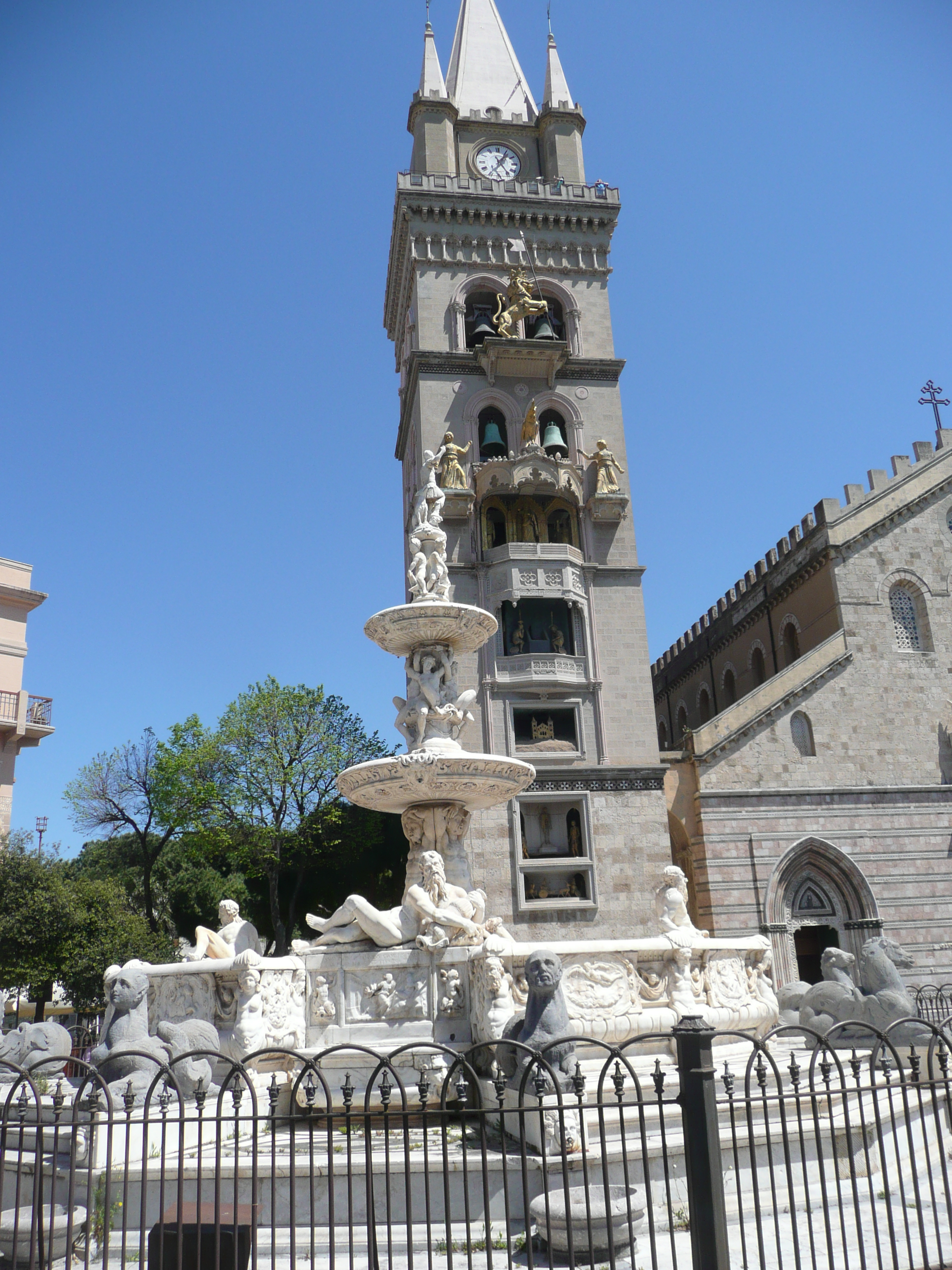
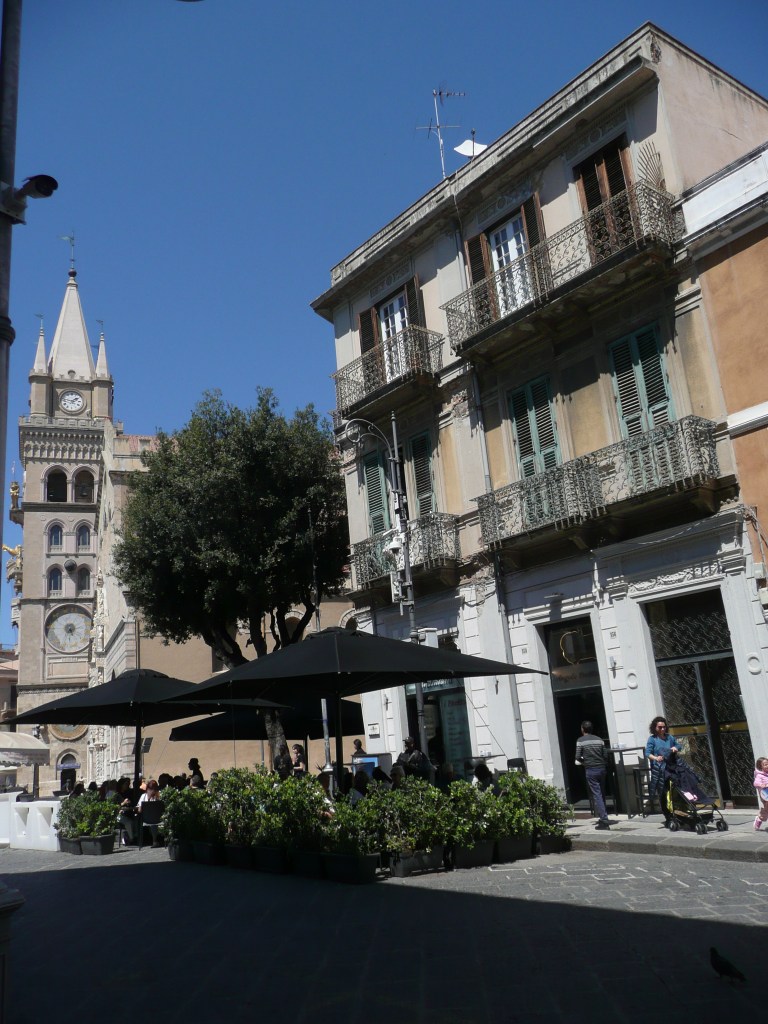
Po godzinnym wałęsaniu się po pięknych ulicach dochodzimy do głównego placu, tego z dwunastowieczną katedrą (Duomo di Messina), odbudowaną pieczołowicie i kilkakrotnie. Na wieży kościoła jest zegar słoneczny – największy zegar astronomiczny na świecie. Został stworzony w Strasburgu w 1933 roku i jest niesamowity. Posiada ruchome figury – na każdy dzień tygodnia (w niedzielę Apollo jadący na koniu, w poniedziałek Diana jadąca na jeleniu, we wtorek Mars na koniu, w środę Merkury na panterze, w czwartek Jowisz na chimerze, w piątek Wenus na gołębiu…), a co kwadrans ukazują się figury obrazujące etapy życia – dziecko, młody człowiek, wojownik i starzec, przechodzące przed figurą Śmierci potrząsającej kosą…
After wandering through the beautiful streets for an hour, we arrive at the main square—the one featuring the twelfth-century cathedral (Duomo di Messina), which has been meticulously rebuilt on several occasions. Located on the church tower is a sundial—the largest astronomical clock in the world. Created in Strasbourg in 1933, it is truly incredible. It features moving figures—one for each day of the week (on Sunday, Apollo riding a horse; on Monday, Diana riding a deer; on Tuesday, Mars on a horse; on Wednesday, Mercury on a panther; on Thursday, Jupiter on a chimera; on Friday, Venus on a dove…)—and every fifteen minutes, figures representing the stages of life—a child, a young man, a warrior, and an old man—emerge to pass before the figure of Death, brandishing a scythe…
Duomo di Messina with astrological clock/ katedra w Messina z zegarem słonecznym
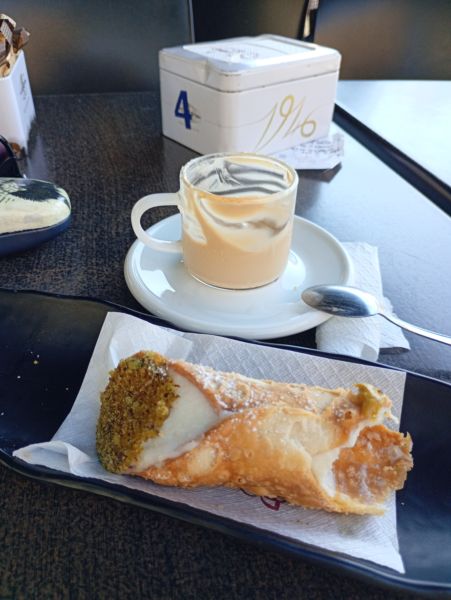
Jak w każdym porcie idziemy na kawę i spróbować lokalnych łakoci. Jeśli się jest na Sycylii, to trzeba spróbować cannoli – chrupiącej rurki nadziewanej kremem z ricotty. Legenda głosi, że zostały wymyślone przez nałożnice emira, jako hołd dla jego potencji. Hm….
As in every port, we head out for a coffee and to sample some local treats. If you’re in Sicily, you simply must try cannoli—crispy pastry tubes filled with ricotta cream. Legend has it that they were invented by the Emir’s concubines as a tribute to his virility. Hmm…
Jedna z kelnerek (śliczna dziewczyna) świetnie mówi po angielsku, co we Włoszech jest prawie niespotykane. Okazuje się, że jest Iranką, na Sycylii jest od kilku dni. (Jak to się dzieje, że te irańskie dzieciaki tak doskonale znają angielski?). Uciekła z Iranu, nie ma tu nikogo, jest samotna, smutna i trochę przerażona. Pocieszam ją jak umiem, mówię, że wszystko się ułoży, że jest mądra i na pewno da radę. Kiedy wychodzimy, pyta czy może mnie przytulić. Dziecinko, pewnie, że możesz… Ściskam ją i głaszczę po pięknych włosach i strasznie chciałabym jej pomóc…*
One of the waitresses—a lovely young woman—speaks excellent English, which is almost unheard of in Italy. It turns out she is Iranian and has only been in Sicily for a few days. (How is it that these Iranian kids know English so perfectly?) She fled Iran; she has no one here—she is lonely, sad, and a little terrified. I comfort her as best I can, telling her that everything will work out, that she is smart, and that she will surely make it. As we are leaving, she asks if she can give me a hug. Oh, sweetie—of course you can… I hold her close, stroke her beautiful hair, and wish so desperately that I could help her…*
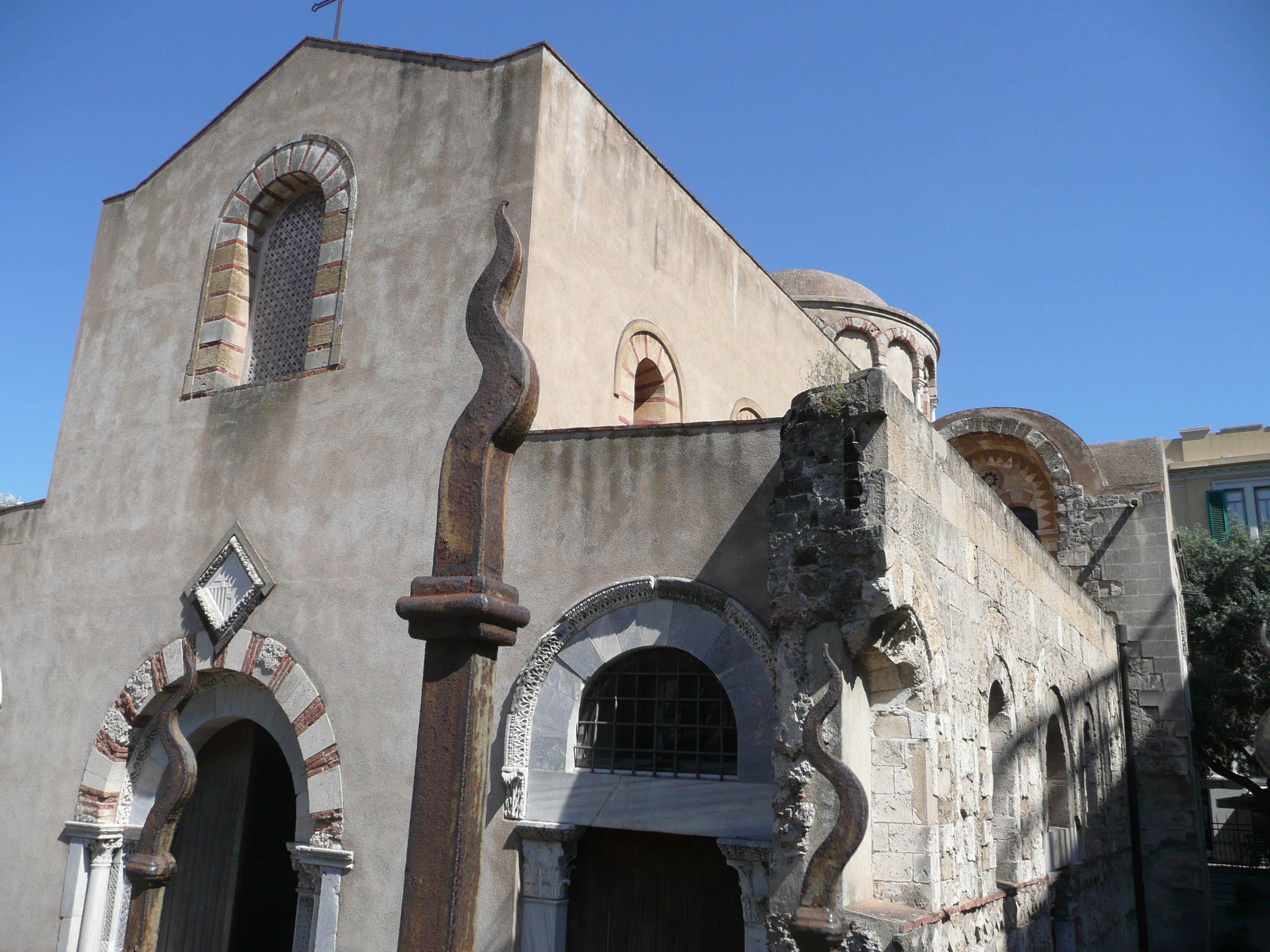
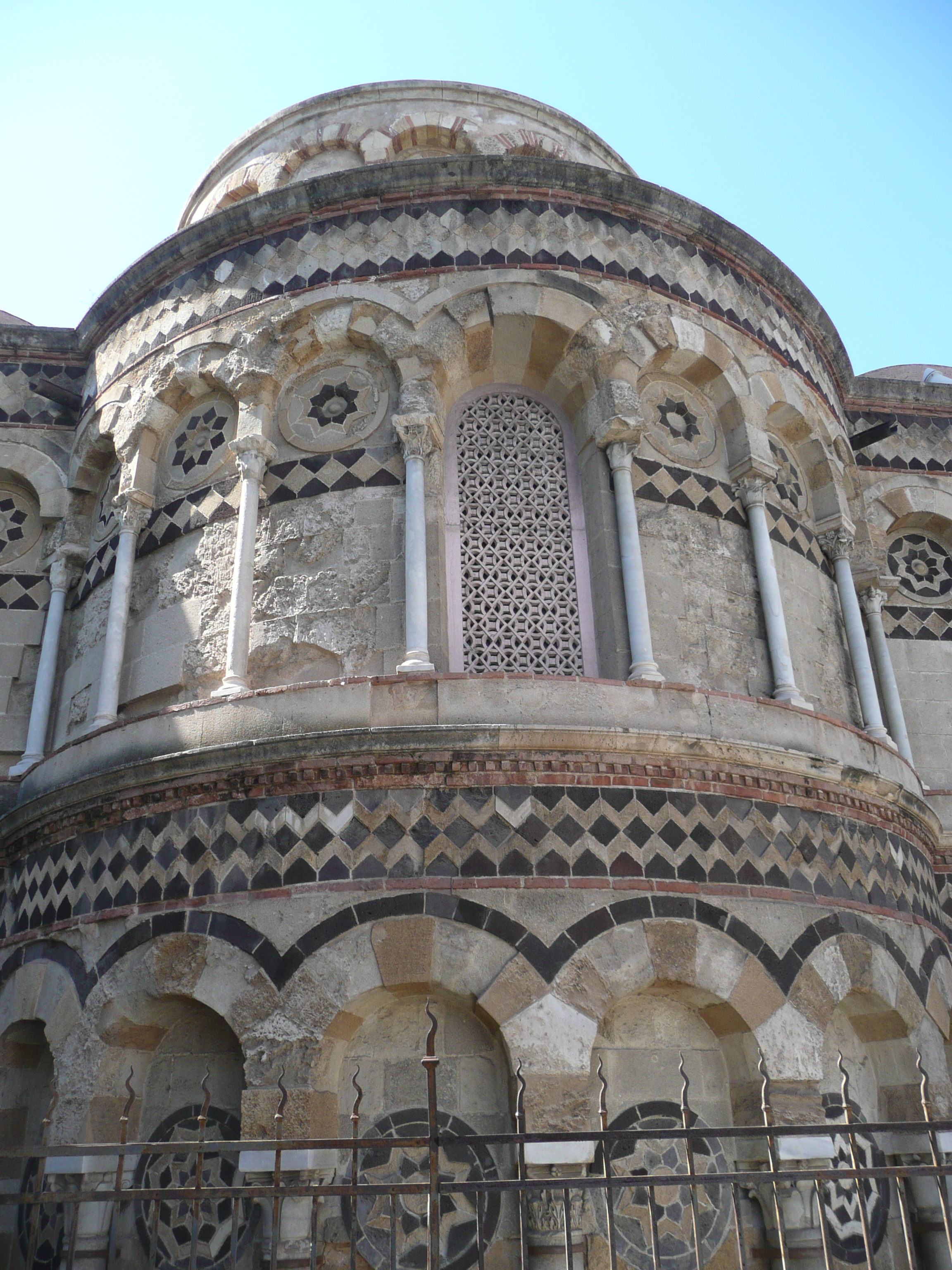
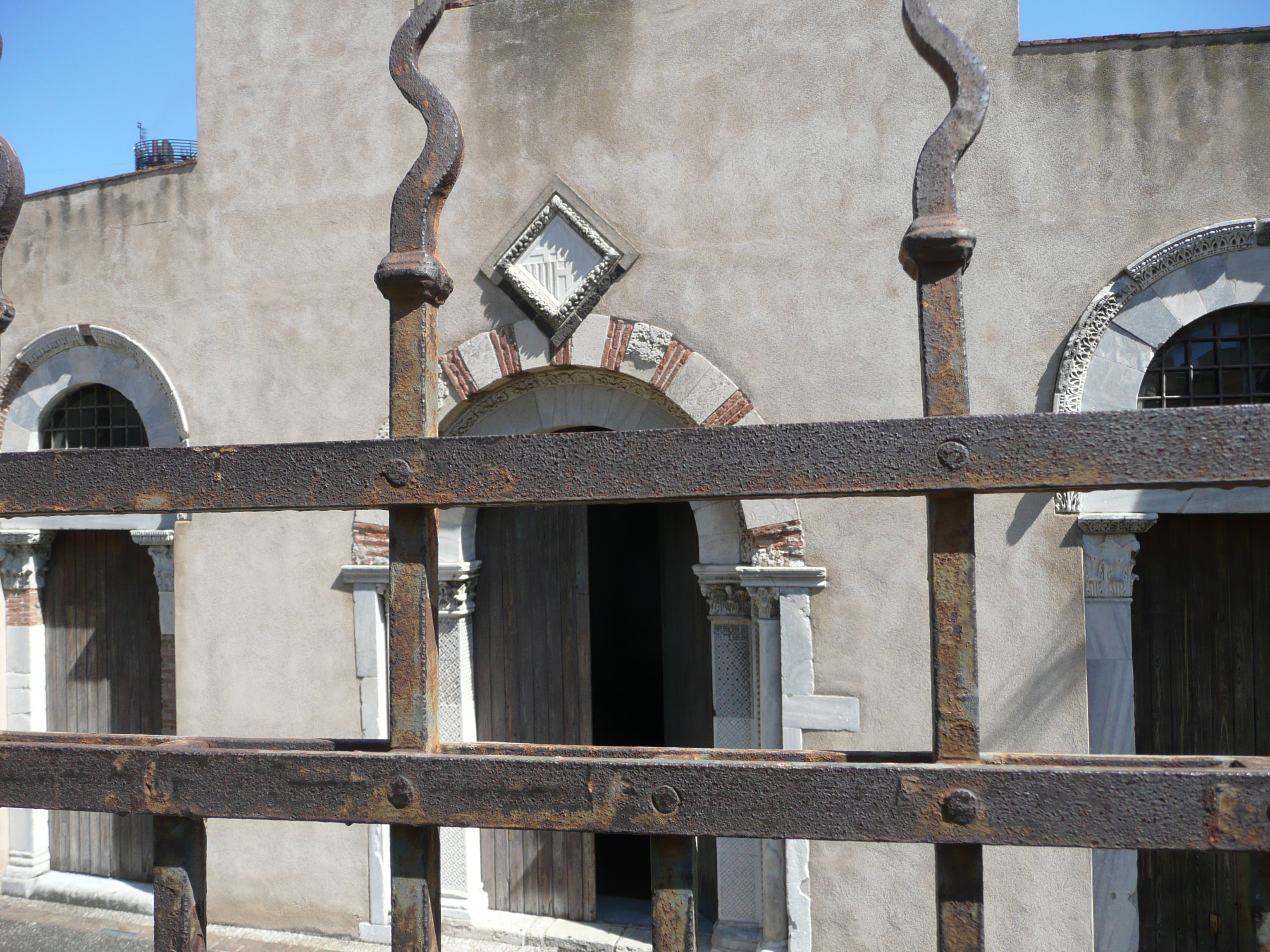
Powrotna droga na statek nie trwa już długo. Musimy jeszcze kupić szampon, bo nasz został zapomniany w hotelu w Savonie. Jest późne popołudnie, otwierają się restauracje. Mijamy romański kościół. Okazuje się, że to słynny Kościół Santissima Annunziata dei Catalani – kościół z XII wieku, zbudowany na ruinach starożytnej świątyni Neptuna, następnie w czasach emiratu Sycylii przekształcony w meczet, a w epoce Normanów, między 1150 a 1200 rokiem, przebudowany w stylu arabsko-normańskim.
The walk back to the ship does not take long. We still need to buy some shampoo, as we left ours behind at the hotel in Savona. It is late afternoon, and restaurants are beginning to open. We pass a Romanesque church. It turns out to be the famous Church of Santissima Annunziata dei Catalani—a 12th-century church built upon the ruins of an ancient Temple of Neptune, subsequently converted into a mosque during the era of the Emirate of Sicily, and later, during the Norman period (XII Century) rebuilt in the Arab-Norman style.
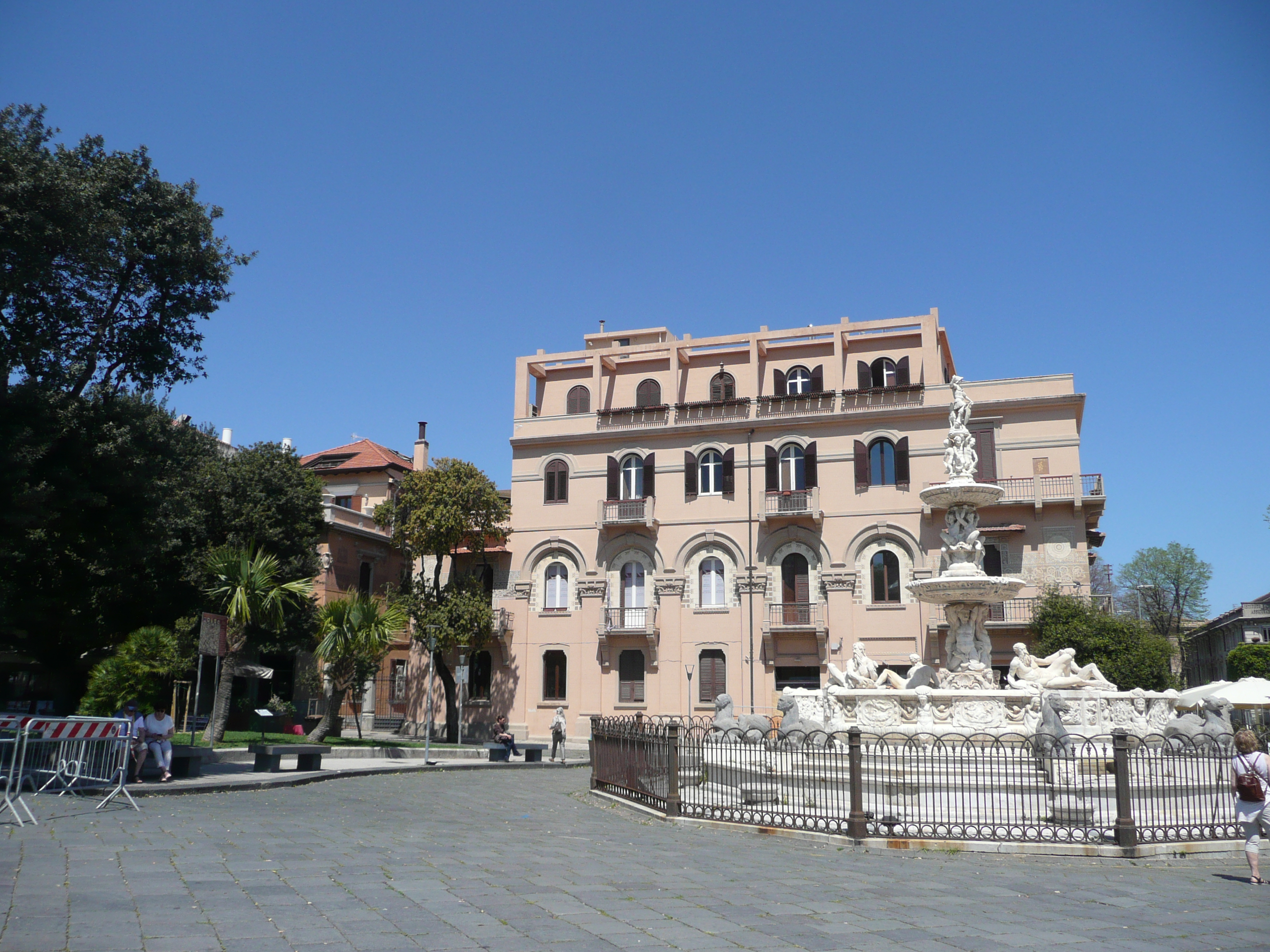
Messina, Sicily
I tyle opowieści messyńskich. Pewnie macie dość marudzenia o historii, ale tutaj inaczej się nie da. Tu historia wyłazi spod każdego kamienia.
And that wraps up the tales of Messina. You’re probably sick of my rambling about history, but there’s simply no other way here. Here, history crawls out from under every stone.
* Agencja Informacyjna Aktywistów Praw Człowieka (Human Rights Activists News Agency — HRANA) potwierdza 5459 zgonów młodych osób w Iranie. Z raportów organizacji takich jak Amnesty International i Iran Human Rights wynika, że Iran jest krajem o najwyższej na świecie liczbie straceń osób nieletnich oraz młodych dorosłych. Dokładna liczba egzekucji młodych ludzi w Iranie nie jest znana, ponieważ władze utajniają większość danych.
* The Human Rights Activists News Agency (HRANA) confirms 5,459 deaths of young people in Iran. Reports from organizations such as Amnesty International and Iran Human Rights indicate that Iran has the highest number of executions of minors and young adults in the world. The exact number of executions of young people in Iran remains unknown, as authorities classify most of the data.
Jeśli dziś niedziela, to jesteśmy w stolicy najmniejszego kraju świata, ale jednego z największych imperiów. Imperium, które w historii zapisało się niezmierzonym okrucieństwem, chciwością i podłością w niespotykanej skali. Imperium, które przez prawie dwadzieścia wieków prześladowało wyznawców innych religii, wywoływało wojny, w imieniu którego torturowano w straszliwy sposób setki tysięcy osób, które chroniło zbrodniarzy wojennych i pedofilów na całym świecie, popierało krwawych dyktatorów, prało brudne pieniądze, zabraniało wolności myśli, blokowało postępowe idee i wyciągało kasę od każdego. Brrr… A to tylko wierzchołek góry lodowej.
If today is Sunday, then we find ourselves in the capital of the world’s smallest country—yet one of its greatest empires. An empire that has gone down in history for its boundless cruelty, greed, and depravity on an unprecedented scale. An empire that, for nearly twenty centuries, persecuted followers of other religions, instigated wars, and in whose name hundreds of thousands of people were subjected to horrific torture—an empire that shielded war criminals and pedophiles across the globe, propped up bloodthirsty dictators, laundered dirty money,It forbade freedom of thought and blocked progressive ideas and extorted cash from everyone. Brrr… And that is just the tip of the iceberg.
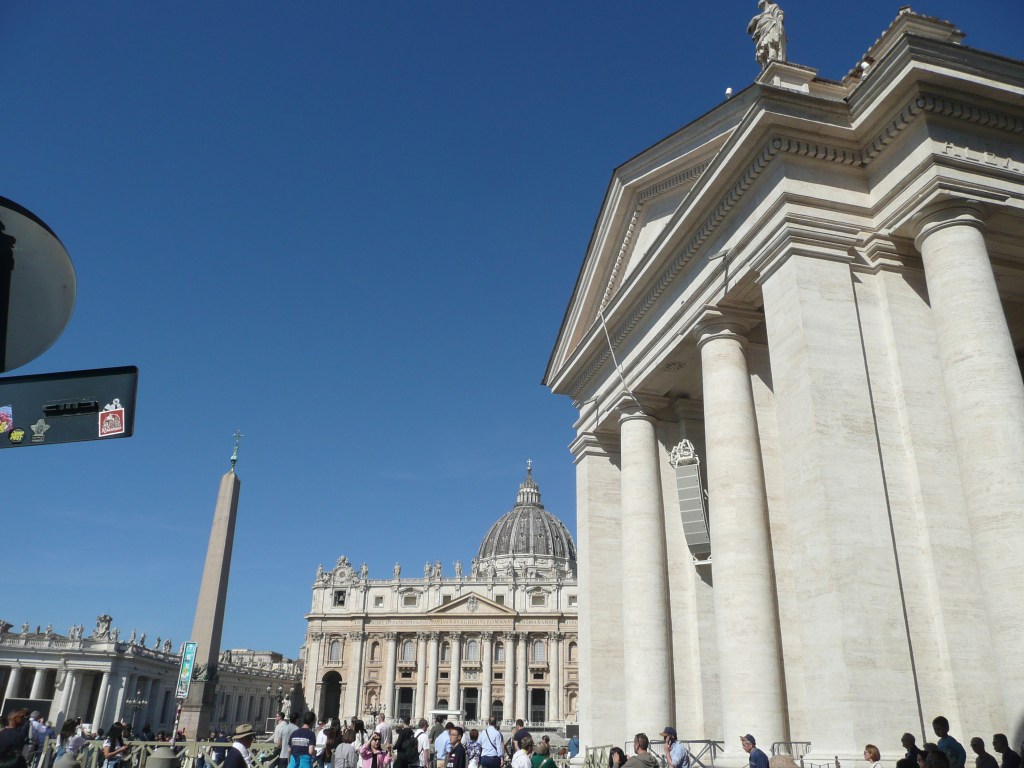
Vatican
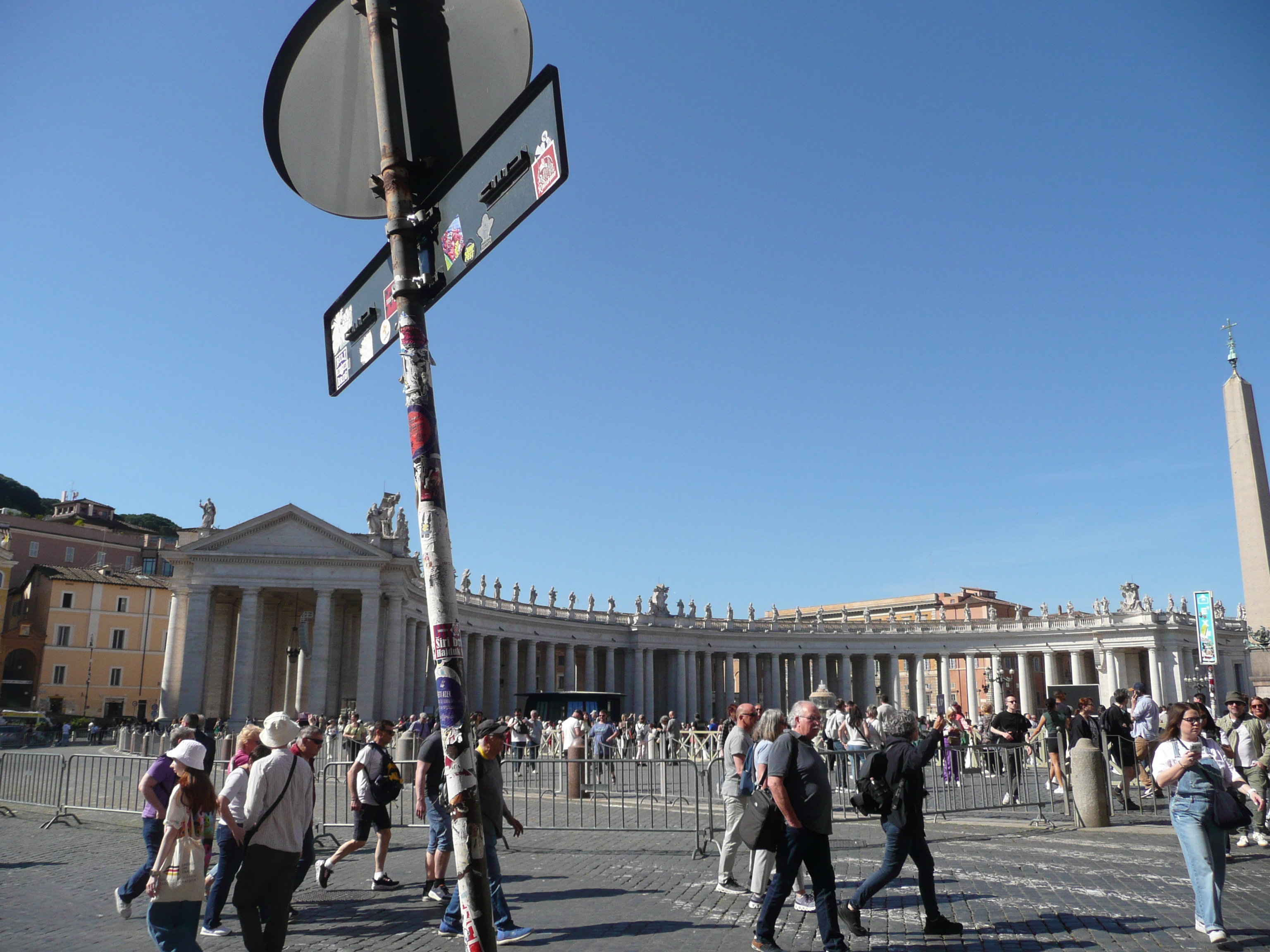
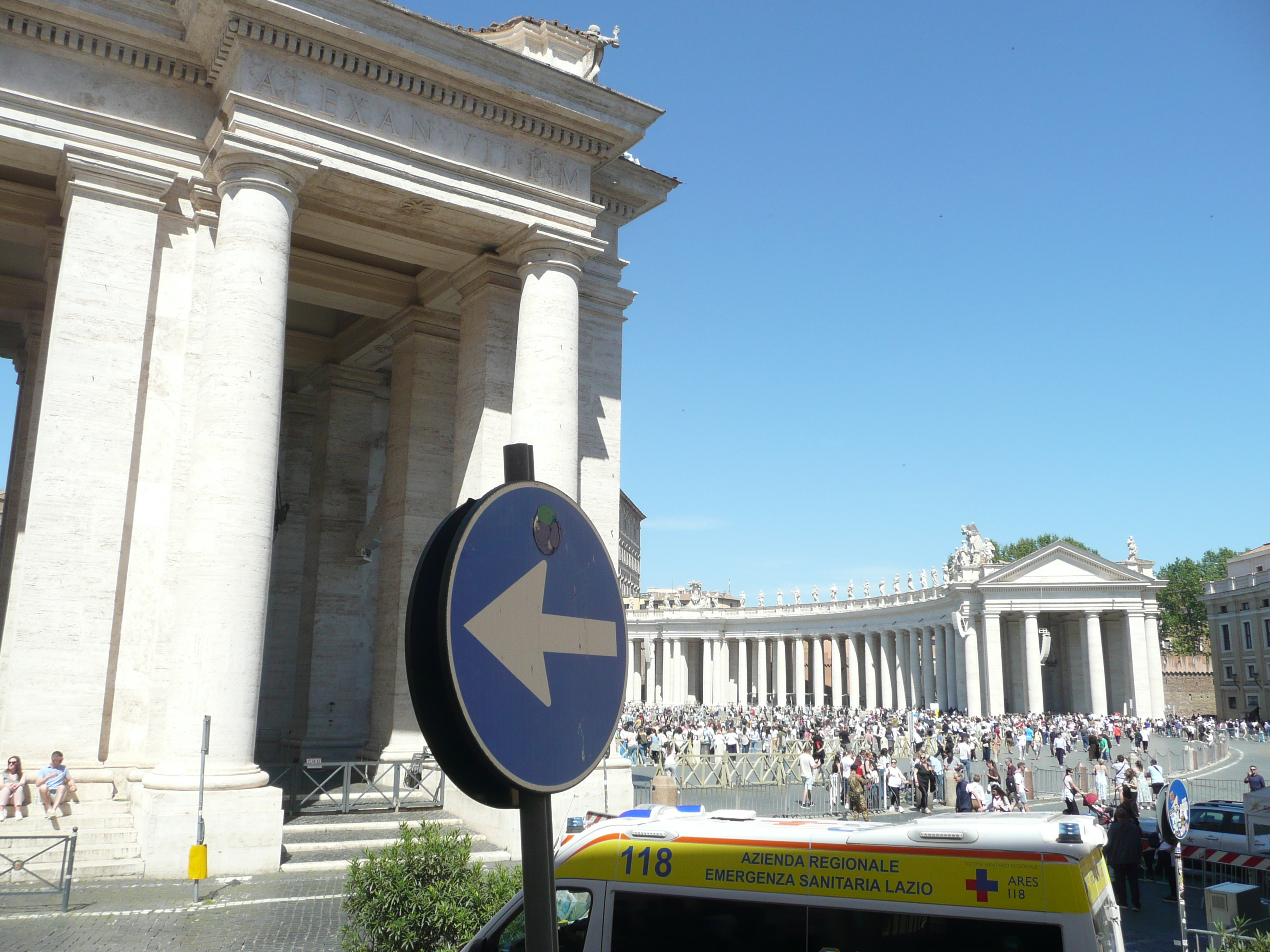
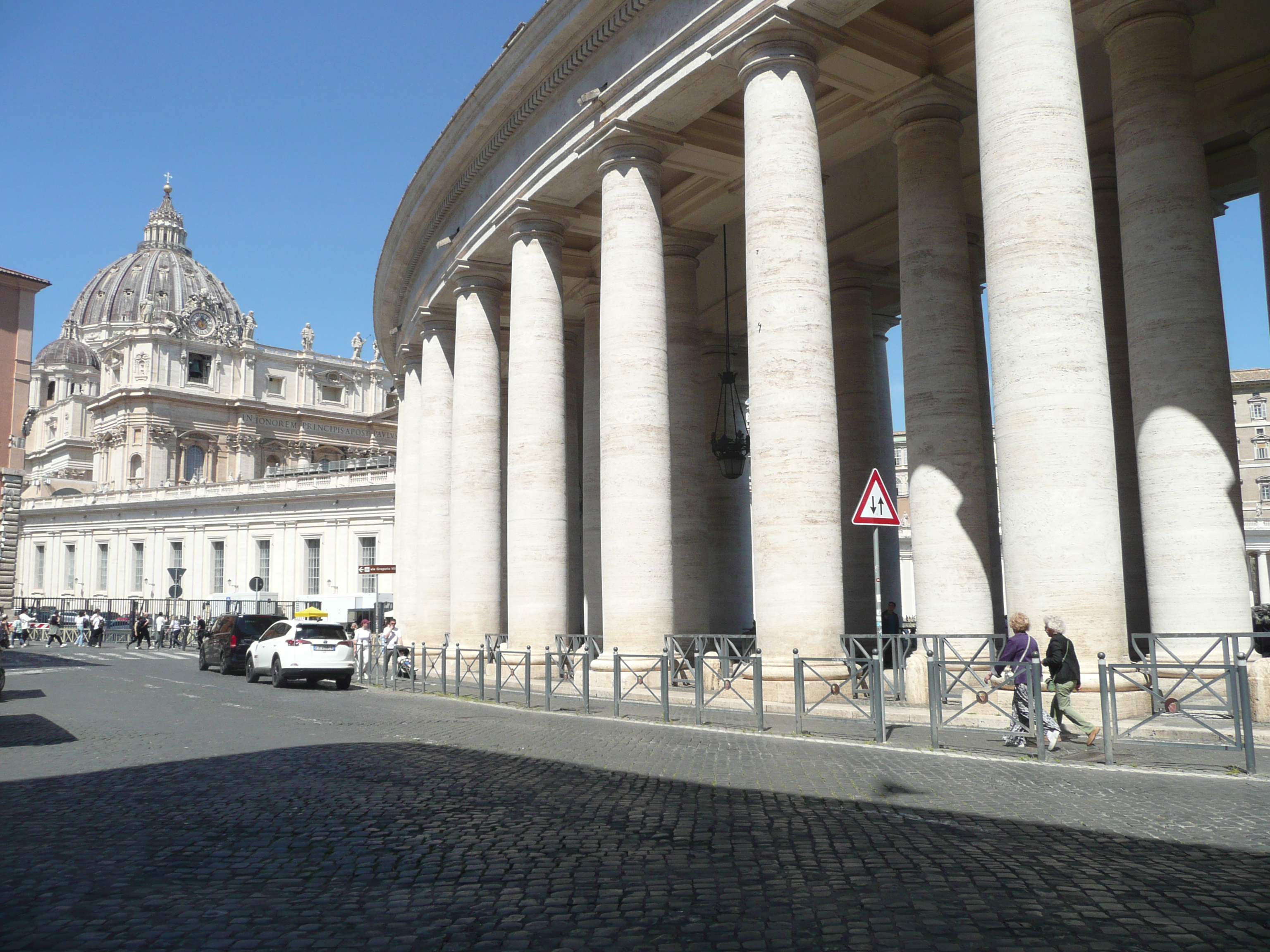
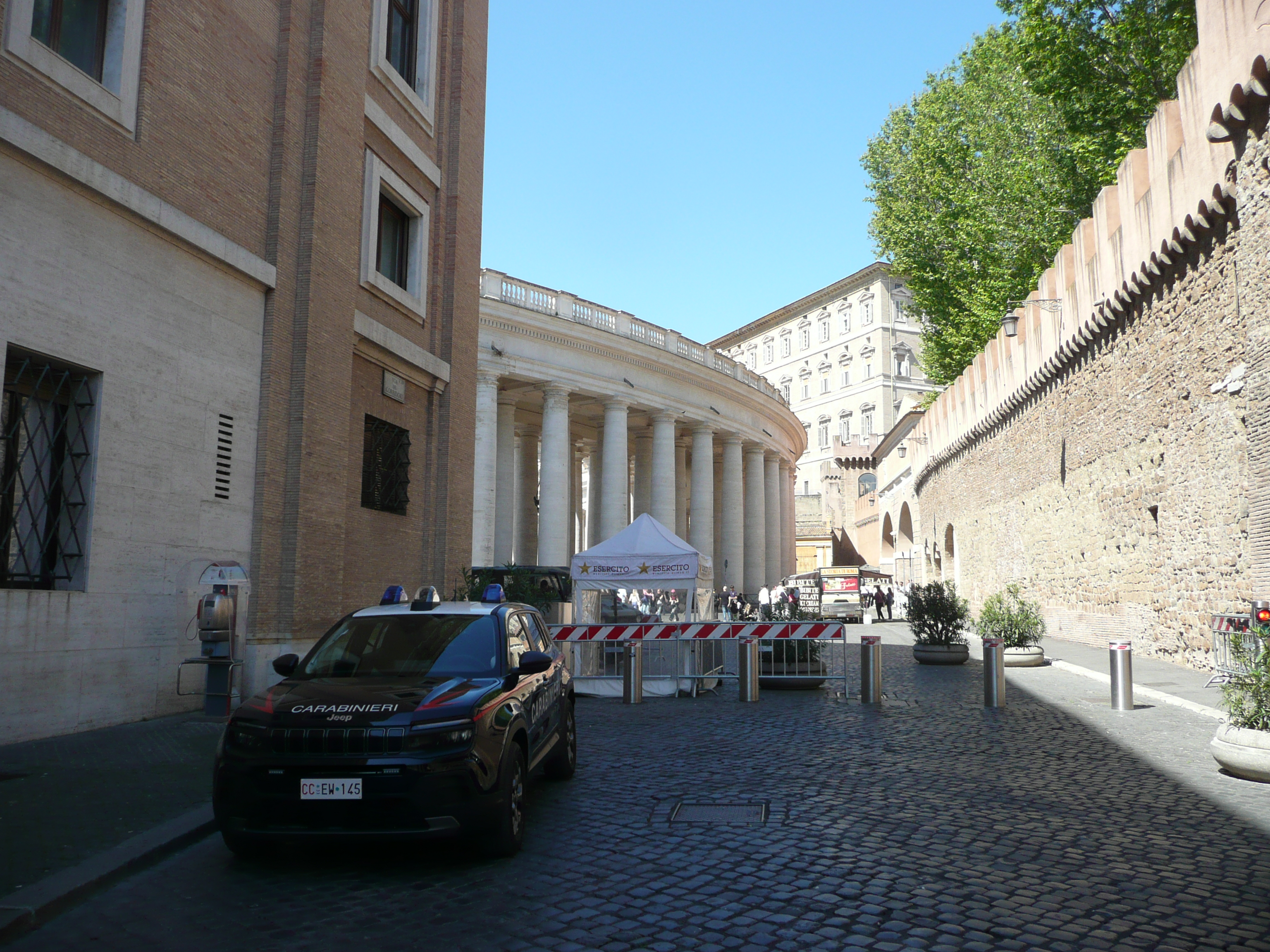
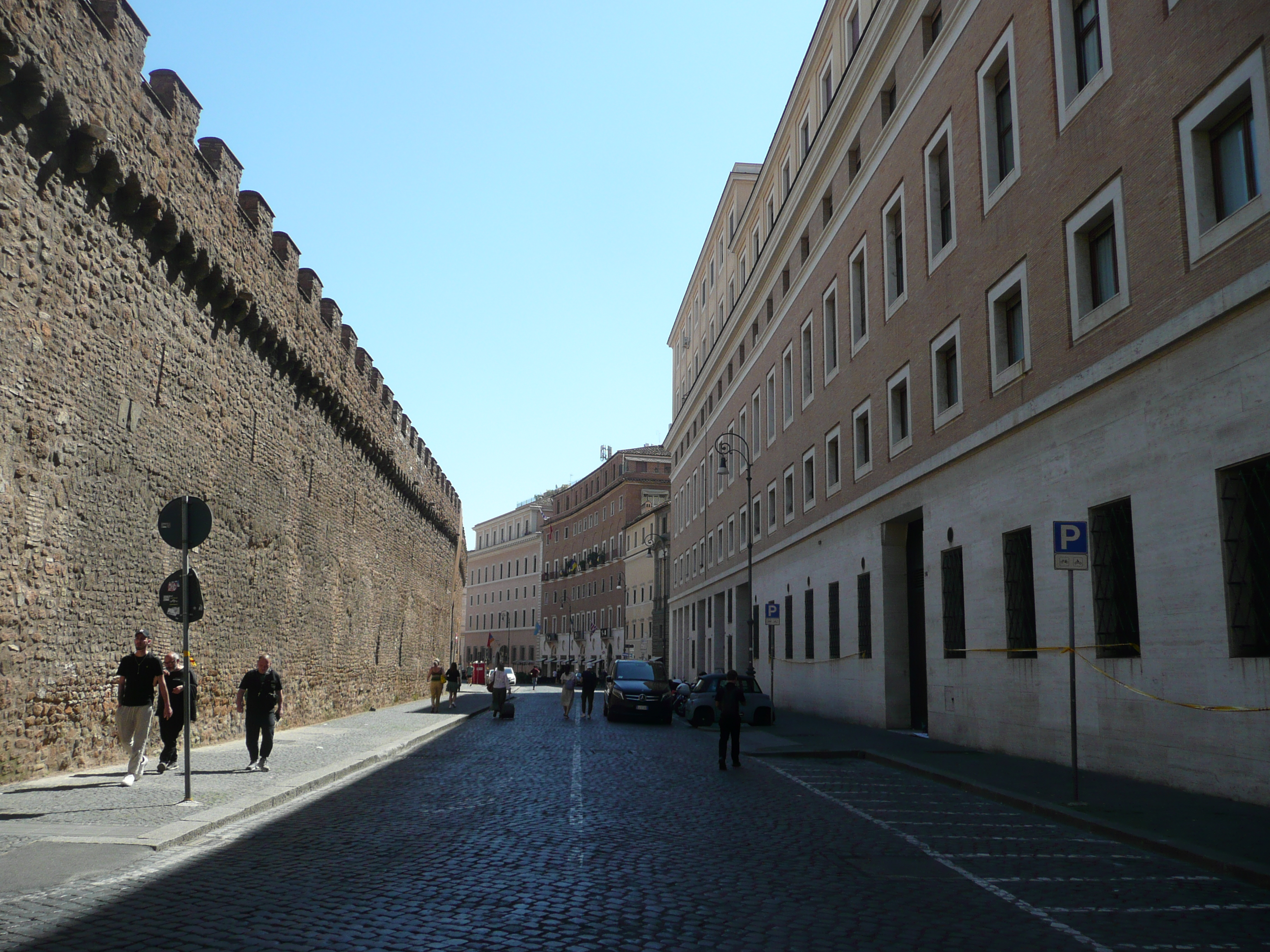
Tłumy stoją przed Bazylika św. Piotra, choć przywódcy nie ma dziś na miejscu i nie doczekają się przemówienia. Przemykam chyłkiem od jednego cienia do drugiego, omijając licznych handlarzy z Afryki i Azji, oferujących medaliki, apaszki, podróbki torebek znanych projektantów, zegarki i wiele innych rzeczy, których nikt nie potrzebuje. Watykan jest jedynym państwem na świecie wpisanym (w całości) na listę UNESCO, ale jest brudno a pod murami leżą bezdomni w brudnych barłogach.
Crowds stand before St. Peter’s Basilica, even though the leader is not on the premises today and they will not hear a speech. I slip furtively from one patch of shadow to another, skirting the numerous vendors from Africa and Asia who offer medallions, scarves, counterfeit designer handbags, watches, and many other things that no one needs. The Vatican is the only state in the world to be listed (in its entirety) as a UNESCO World Heritage Site, yet it is dirty, and beneath its walls lie homeless people in squalid makeshift beds.
Na lewo od placu wchodzę po kilkunastu stopniach i znajduję cichy zakątek – otoczony murami niewielki ogród z ławeczką i przez chwilę rozkoszuję się ciszą i chłodem. Potem wracam do tłumu na placu, uśmiecham się do Carabinieri plotkujących na środku ulicy (odśmiechują), potem wdaję się w rozmowę z czarnoskórym sprzedawcą różnokolorowych chust. Zwierza mi się, że ma w Łodzi rodzinę, ale chciałby wyjechać do Wielkiej Brytanii. Na koniec chce mi wręczyć jakiś upominek, ale stanowczo odmawiam – znam te numery, jestem z Częstochowy.
To the left of the square, I climb a dozen or so steps and discover a quiet nook—a small, walled garden with a bench—and for a moment, I revel in the silence and the cool air. Then I return to the crowd in the square, smile at the Carabinieri chatting in the middle of the street (they smile back), and then strike up a conversation with a Black vendor selling multicolored scarves. He confides in me that he has family in Łódź but would like to move to the United Kingdom. Finally, he tries to hand me a small gift, but I firmly decline—I know those tricks; I’m from Częstochowa.
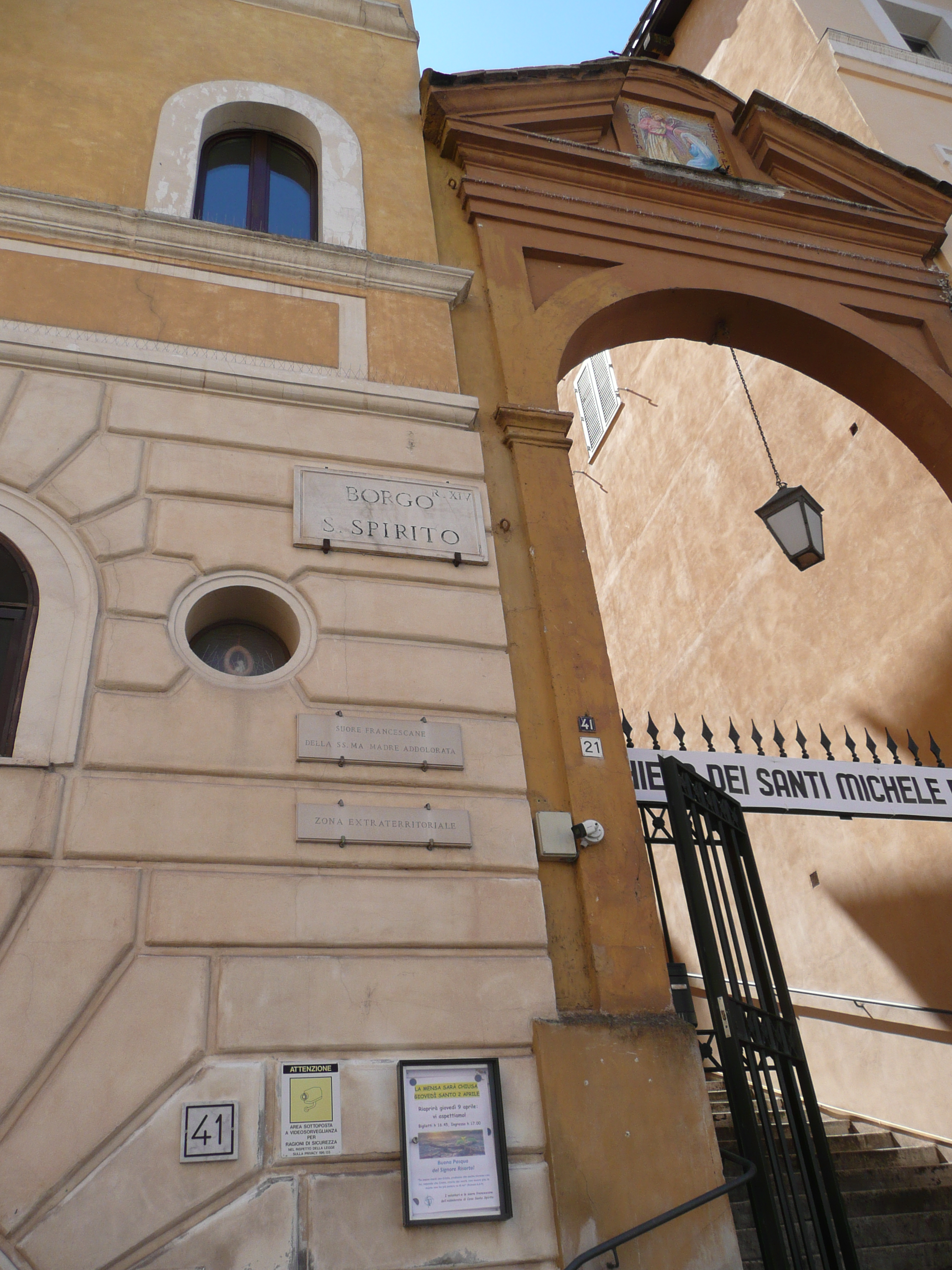
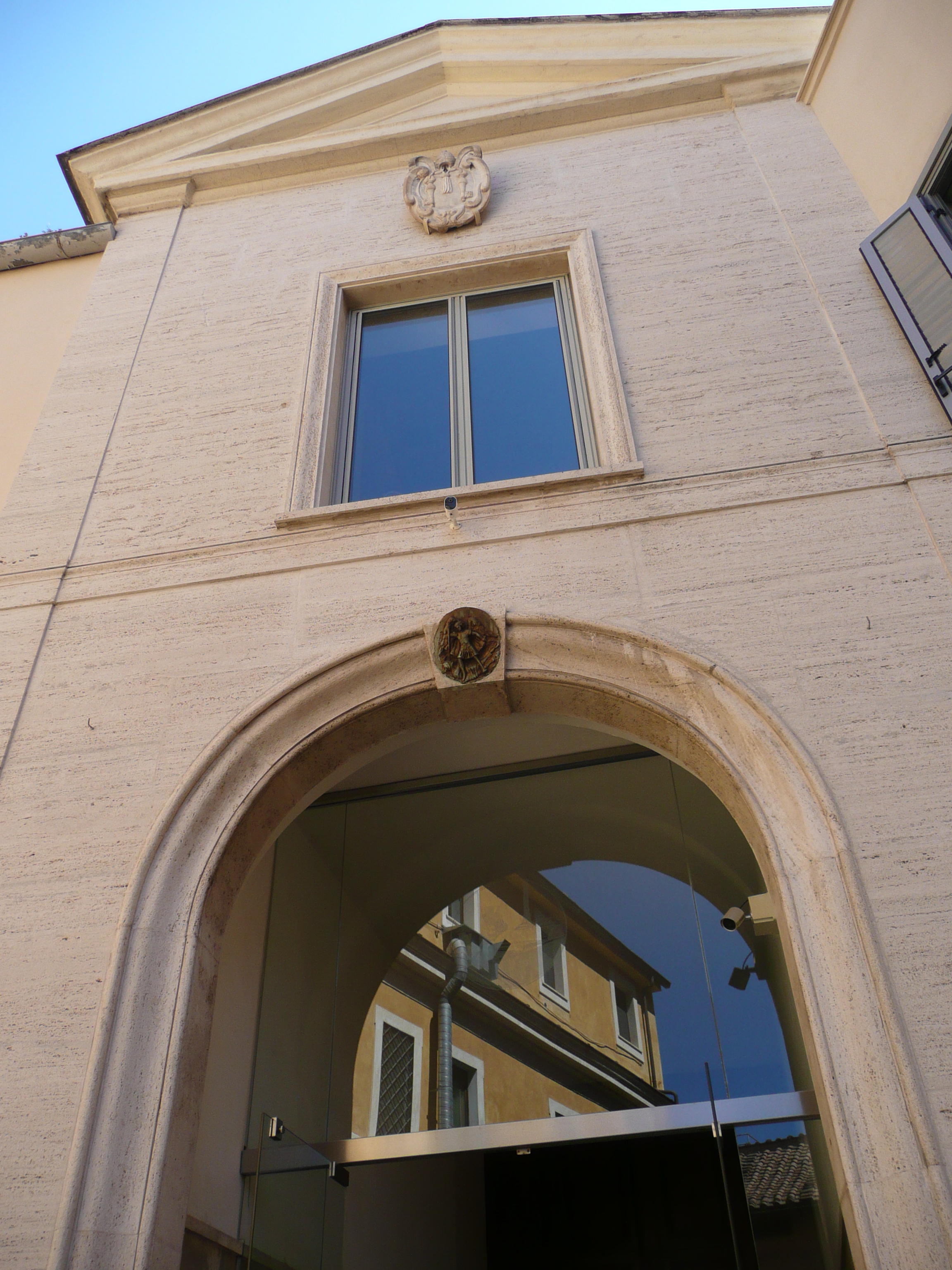
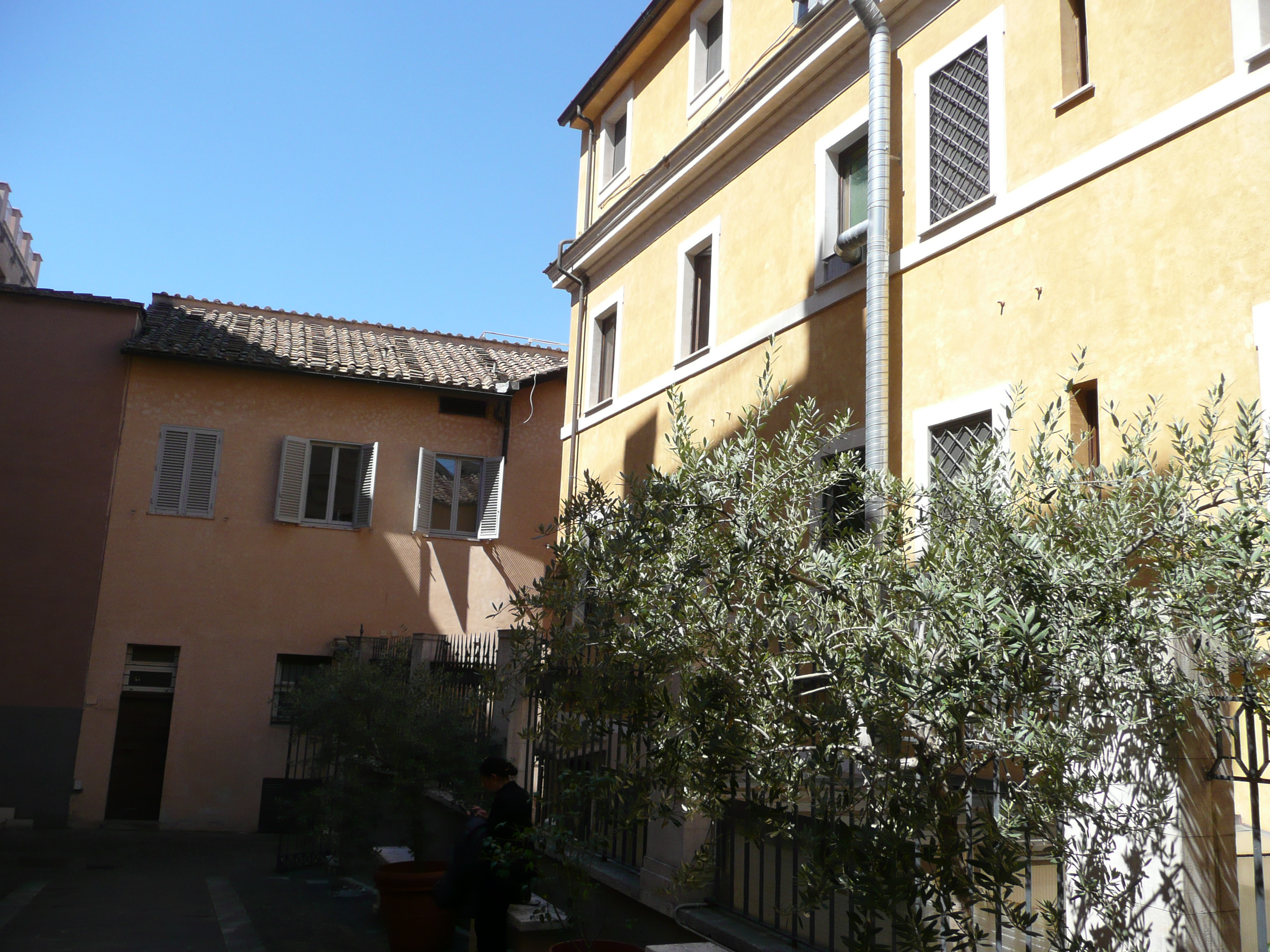
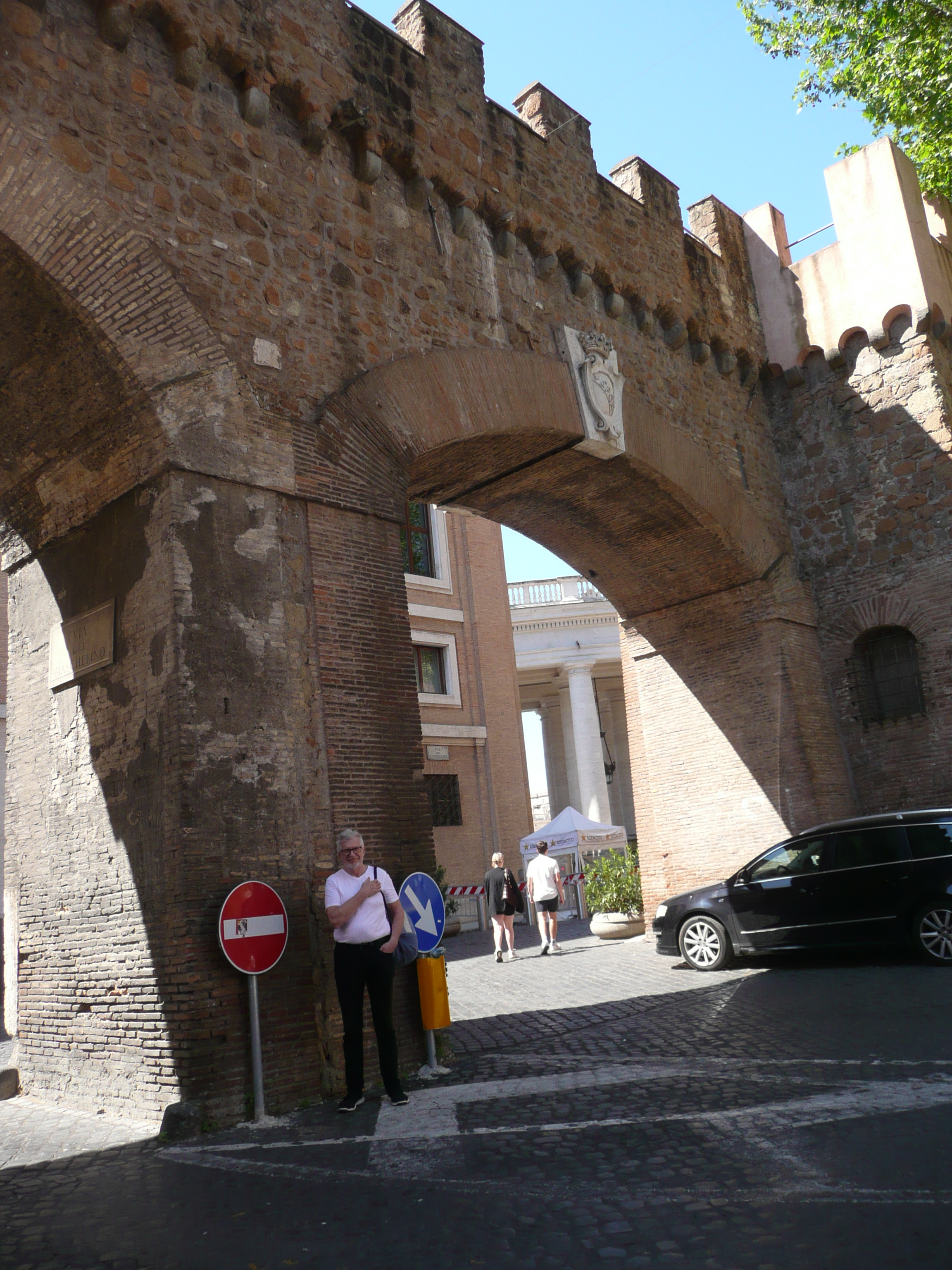
Wracamy na rzymskie ulice, żeby napić się kawy. To tylko kilkadziesiąt metrów. W niewielkiej knajpce obsługuje nas młody człowiek, który uciekł z Iranu. Zna świetnie angielski, opowiada o reżimie ajatollachów, o tym, że zostawił całą rodzinę i teraz nie bardzo wie, co ma dalej robić, ale cieszy się, że ma pracę. Myśli o wyjeździe za ocean. Życzę mu wszystkiego najlepszego, a on mówi, że jestem pierwszą osobą, która zainteresowała się jego życiem… Cóż, wracamy do apostolskiej stolicy, przechodząc przez jedną z licznych bram.
We head back out onto the streets of Rome to grab a coffee. It is only a few dozen meters away. In a small café, we are served by a young man who fled Iran. He speaks excellent English and tells us about the Ayatollahs’ regime—how he left his entire family behind and now isn’t quite sure what to do next, though he is grateful to have a job. He is thinking about moving across the ocean. I wish him all the best, and he tells me that I am the first person who has ever taken an interest in his life… Well, we make our way back to the Apostolic See, passing through one of its many gates.
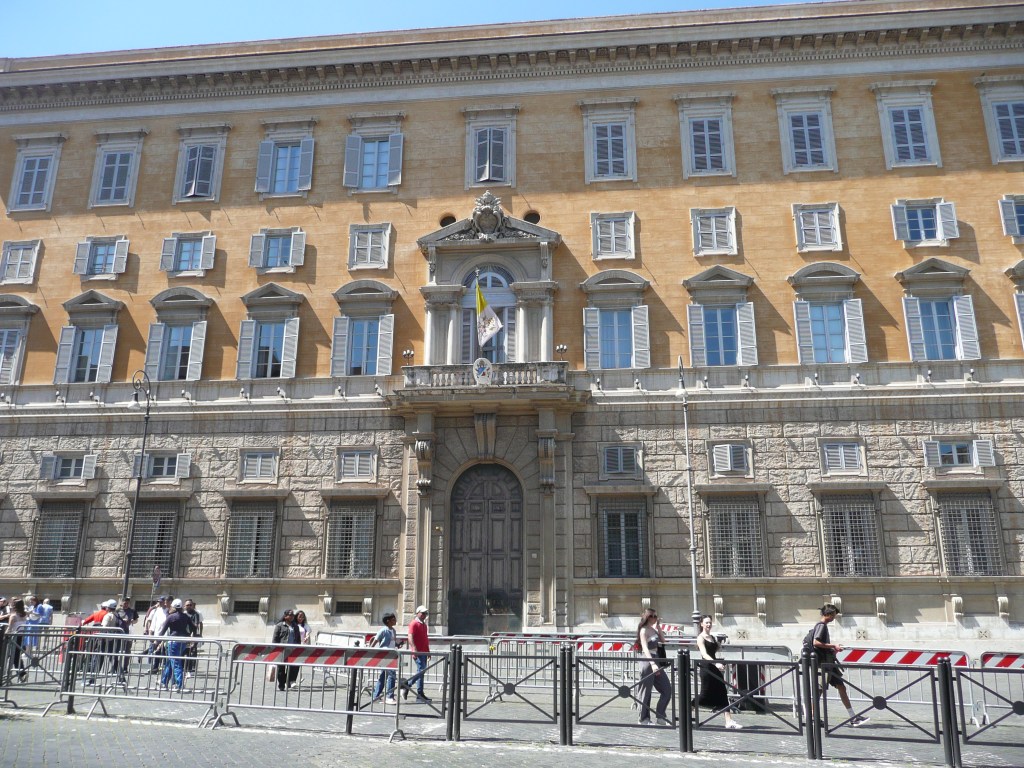
Na szczęście nasz czas w Watykanie się kończy. Spoglądamy jeszcze na budynek, z którego, jak mniemam, Papież przemawia do wiernych. Naprzeciwko, dokładnie po drugiej stronie ulicy, jest chińska knajpa. Wyobrażam sobie, jak Papież zamawia stamtąd Chow Mein, kiedy odwiedzają go kumple na oglądanie meczu…
Fortunately, our time in the Vatican is drawing to a close. We take one last look at the building from which, I presume, the Pope addresses the faithful. Directly across the street—right on the other side—stands a Chinese restaurant. I imagine the Pope ordering Chow Mein from there whenever his buddies drop by to watch a match.
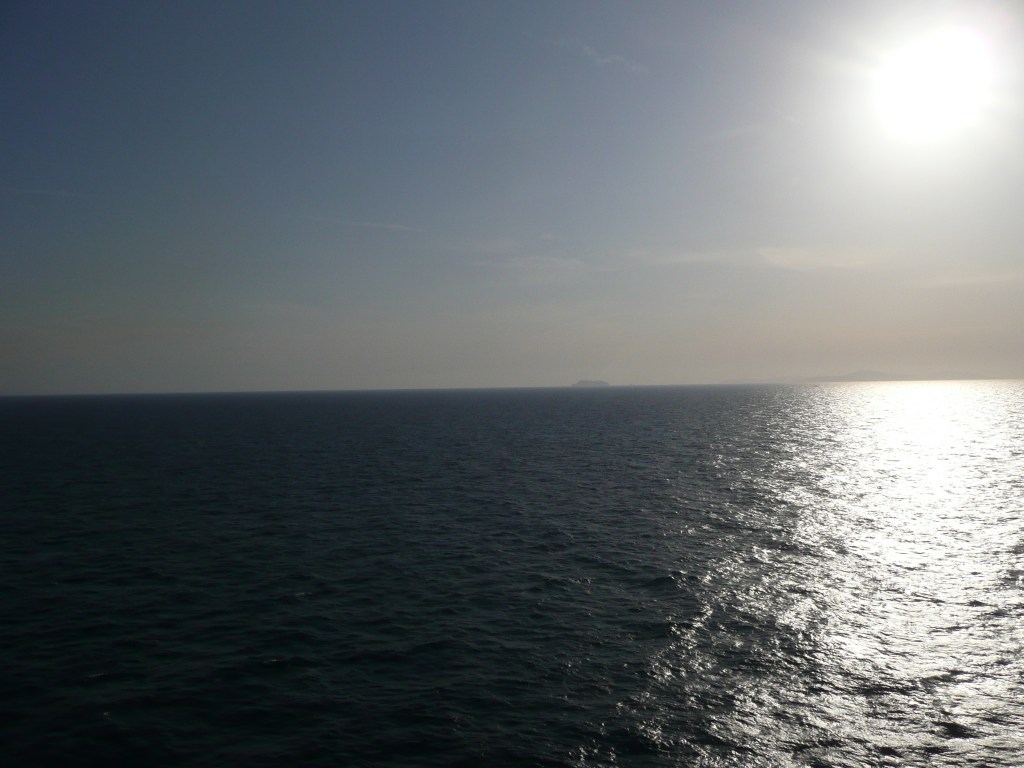
Wieczorem wypływamy z Civitavecchia na południe. Mamy do przepłynięcia około 300 mil morskich (550 km). Spacerek / In the evening, we set sail south from Civitavecchia. We have about 300 nautical miles (550 km) to cover. A short walk.




 distantcruise